Vegetables
What to Plant in September NZ: Spring Seed-Sowing Guide
1 September 2026 · 8 min read
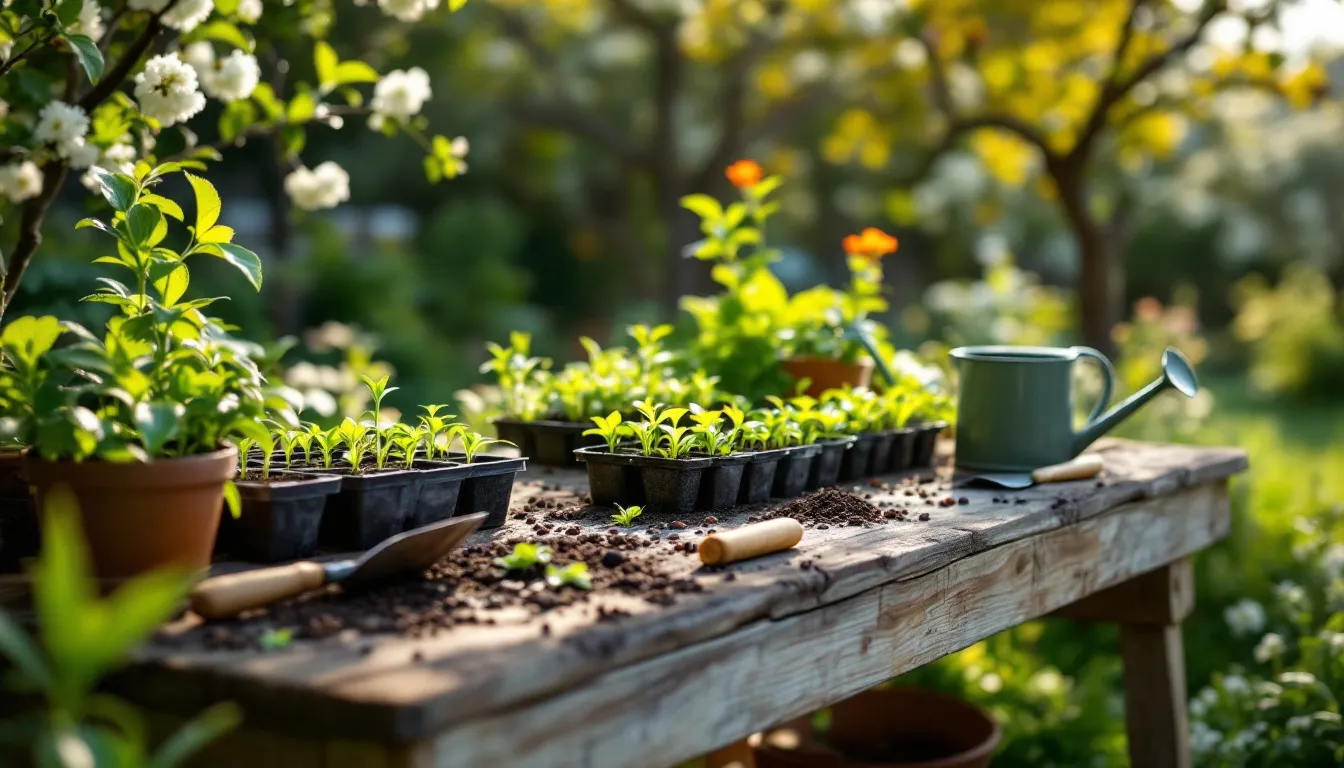
🌱 What to Plant in September NZ: Welcome to Spring Sowing Season
If you've been wondering what to plant in September NZ, the good news is — you've arrived at the most exciting month on the Kiwi gardening calendar. September marks the beginning of spring in Aotearoa (September–November), and with soil temperatures beginning to rise and daylight hours stretching out, conditions are perfect for getting warm-season vegetables underway. Whether you're gardening in sun-drenched Northland or navigating the cooler mornings of Otago, September is the month to get busy with seeds and seedlings. Let's dig in.
🌡️ Understanding Your NZ Climate Before You Sow
New Zealand's geography means one size never fits all when it comes to gardening timing. Before you grab a seed packet, it pays to know your region's spring character:
Northland, Auckland & Coromandel: Early spring arrives warmly. Soil temps can reach 12–15°C by early September, making direct sowing viable for many crops.
Waikato, Bay of Plenty & Hawke's Bay: Reliably warm springs — a great sowing window opens mid-September. Frost risk diminishes quickly.
Wellington & Taranaki: Expect some wind and late cold snaps. Starting seeds indoors or under cover in early September is wise, transplanting once conditions settle.
Nelson, Marlborough & Canterbury: Warm days but cool nights. Begin indoors and watch the forecast before transplanting tender seedlings.
Otago & Southland: September can still deliver frosts. Focus on cold-hardy crops outdoors and start warm-season seeds inside under glass or in a greenhouse.
A good rule of thumb: if your overnight temperatures are still regularly dropping below 10°C, keep tender seedlings protected until at least mid-October.
🍅 Warm-Season Vegetables to Start in September
These are the stars of the summer garden — the crops that need a long, warm season to thrive. September is the ideal time to get them started indoors or in a greenhouse so they're ready to transplant when the soil warms fully.
Tomatoes
Tomatoes are New Zealand's favourite summer crop, and September is prime time to sow seeds indoors. Fill small pots or seed trays with quality seed-raising mix, sow seeds 5–6 mm deep, and place them somewhere warm (around 20–25°C). A sunny windowsill or heat mat works well. Expect germination in 7–14 days. Seedlings will be ready to transplant outdoors from mid-October to November, depending on your region.
Capsicums & Chillies
Both capsicums and chillies need a long growing season — even longer than tomatoes — so starting in September (or even late August) is essential. They love warmth to germinate, ideally 24–28°C, so a heat mat really helps. Sow thinly in seed-raising mix and be patient; germination can take 2–3 weeks. These plants will thank you with an abundant harvest come late summer.
Cucumbers
Cucumbers grow quickly once the weather warms, but they're frost-tender. Sow seeds indoors in September — two seeds per small pot, thinning to the strongest seedling. They dislike root disturbance, so biodegradable pots are a smart choice. Transplant outdoors once all frost risk has passed, typically from late October in warmer regions.
Courgettes & Summer Squash
Courgettes are one of the most rewarding crops in a Kiwi summer garden — they crop prolifically and grow with minimal fuss. Sow seeds on their side (to prevent rotting) in small pots of seed-raising mix from mid-September indoors. They germinate in 5–7 days and grow fast, so don't start too early or they'll become root-bound before it's safe to plant out.
Pumpkins
Pumpkins need a long season (90–120 days) and plenty of space. Start seeds indoors in September, two per pot, and thin to the best seedling. Transplant after the last frost into a well-prepared, composted mound. They'll sprawl enthusiastically all summer and reward you with beautiful fruit ready to harvest in autumn.
Sweetcorn
Sweetcorn doesn't like having its roots disturbed, so it's best sown directly into warm soil — or started in biodegradable pots if you want a head start. In warmer northern regions, direct sowing into the garden can begin late September. In cooler areas, wait until October or start indoors first. Sow in blocks rather than rows for good pollination.
Beans (French & Runner)
Beans are best sown directly where they'll grow, as they dislike transplanting. In Northland and Auckland, you can begin direct sowing into the garden from mid-to-late September. For the rest of the country, wait until October when soil has warmed. Sow seeds 3–4 cm deep, 15 cm apart. French beans are compact and productive; runner beans need a sturdy support structure.
🥬 Cold-Hardy Vegetables to Sow Directly in September
Not everything in September needs a warm start. These crops can be sown directly outdoors across most of New Zealand this month:
Peas: Sow directly into the ground — they love cool spring conditions. Provide a trellis or netting for climbing varieties.
Lettuce & salad greens: Direct sow or transplant seedlings. Sow little and often for a continuous harvest through spring and early summer.
Silverbeet & spinach: Hardy and easy to grow. Direct sow now for a productive leafy green patch within weeks.
Radishes: One of the fastest crops you can grow — ready in as little as 3–4 weeks. Perfect for filling gaps between slower crops.
Beetroot: Sow directly from September onwards. Soak seeds overnight for faster germination. Space 10 cm apart for full-sized roots.
Carrots: Sow directly into loose, well-dug soil. Avoid transplanting — carrots hate it. Keep the seedbed moist until germination occurs (up to 3 weeks).
Broccoli & cauliflower: Sow indoors or under cover for transplanting in 4–6 weeks, or direct sow in warmer regions.
🪴 Seed-Sowing Tips for Success
Great results come down to technique as much as timing. Here are the key habits of successful spring sowers:
Use quality seed-raising mix. Standard garden soil is too dense and can harbour disease. A fine-textured, free-draining seed-raising mix gives delicate roots the best start.
Don't sow too deep. A general rule: sow seeds to a depth of twice their diameter. Fine seeds like lettuce and celery need little more than a light pressing into the surface.
Label everything. It sounds obvious, but it's easy to forget what's in which tray after a busy weekend. A simple popsicle stick and waterproof marker goes a long way.
Water gently. Use a fine rose on your watering can to avoid washing seeds out of the mix. Bottom watering — placing trays in a shallow container of water — is even gentler for tiny seedlings.
Provide warmth for germination. A heated propagator or a sunny north-facing windowsill speeds up germination significantly for warm-season crops.
Harden off before transplanting. Don't move indoor-raised seedlings straight into the garden. Spend 7–10 days gradually introducing them to outdoor conditions — a little more exposure each day — to avoid transplant shock.
Enrich your soil. Before planting out, work in compost and a balanced fertiliser. Warm-season crops are hungry feeders and thrive in rich, well-structured soil.
🌿 Preparing Your Garden Beds in September
While seeds are germinating on your windowsill, there's plenty to do outdoors to get your garden beds ready. September is a great time to:
Turn and aerate soil that has compacted over winter, working in plenty of compost or aged manure.
Apply a layer of mulch around existing plants to suppress weeds and retain moisture as temperatures rise.
Set up stakes, trellises, and supports for climbing beans, cucumbers, and tomatoes before planting — it's much easier without plants in the way.
Check irrigation systems or set up soaker hoses ahead of the dry summer months.
Do a final weed before the season gets away on you — weeds love spring just as much as your vegetables do.
🛒 Shop Seeds & Sowing Supplies at Botanical Love
Ready to get sowing? At Botanical Love (botanicallove.co.nz), we stock a wide range of vegetable seeds, seed-raising mix, propagation trays, biodegradable pots, and everything else you need to make this spring your most productive yet. Browse our vegetable seeds and gardening supplies categories to find quality products delivered to your door, anywhere in Aotearoa. Your spring garden is waiting — let's grow something wonderful together.
Frequently Asked Questions
What warm-season vegetables can I start indoors in September NZ?
Tomatoes, capsicums, chillies, cucumbers, courgettes, and pumpkins are all ideal for starting indoors in September. They need warmth to germinate and a head start before being transplanted outdoors once frost risk has passed.
Is it too early to plant tomatoes outside in September NZ?
For most of New Zealand, yes — September is too early to plant tomatoes directly outside. The risk of frost and cold nights is still too high for tender seedlings. Start them indoors in September and plan to transplant from late October to November, depending on your region.
What can I sow directly into the garden in September?
In September, you can direct sow peas, lettuce, spinach, silverbeet, radishes, beetroot, and carrots across most of NZ. In warmer northern regions, beans and sweetcorn can also go in direct from late September.
How do I know if my soil is warm enough to sow seeds directly?
A simple bare-foot test works surprisingly well — if the soil feels comfortably warm underfoot, it's likely above 10°C. For more precision, a soil thermometer is inexpensive and reliable. Most warm-season crops need at least 15–18°C soil temperature to germinate well.
Can I grow vegetables in containers if I don't have a garden?
Absolutely! Many vegetables thrive in containers. Tomatoes, lettuce, herbs, radishes, and dwarf beans all do well in pots or raised planter boxes. Use a quality potting mix, choose a sunny spot, and water regularly — containers dry out faster than garden beds, especially in summer.
— Botanical Love
Keep reading
More from the Blog
Seed Saving
Seed Saving NZ Winter: Clean, Dry & Store Seeds for Spring
Master seed saving in NZ winter. Learn how to clean, dry & store your seeds properly so they're ready to germinate come spring. Expert tips for Kiwi gardeners.
Vegetables
Growing Brassicas from Seed NZ Winter: August Guide
Start growing brassicas from seed NZ winter style — raise broccoli, cabbage & kale indoors in August for a flying spring start. Tips for all NZ regions.