Vegetables
Growing Brassicas from Seed NZ Winter: August Guide
7 August 2026 · 8 min read
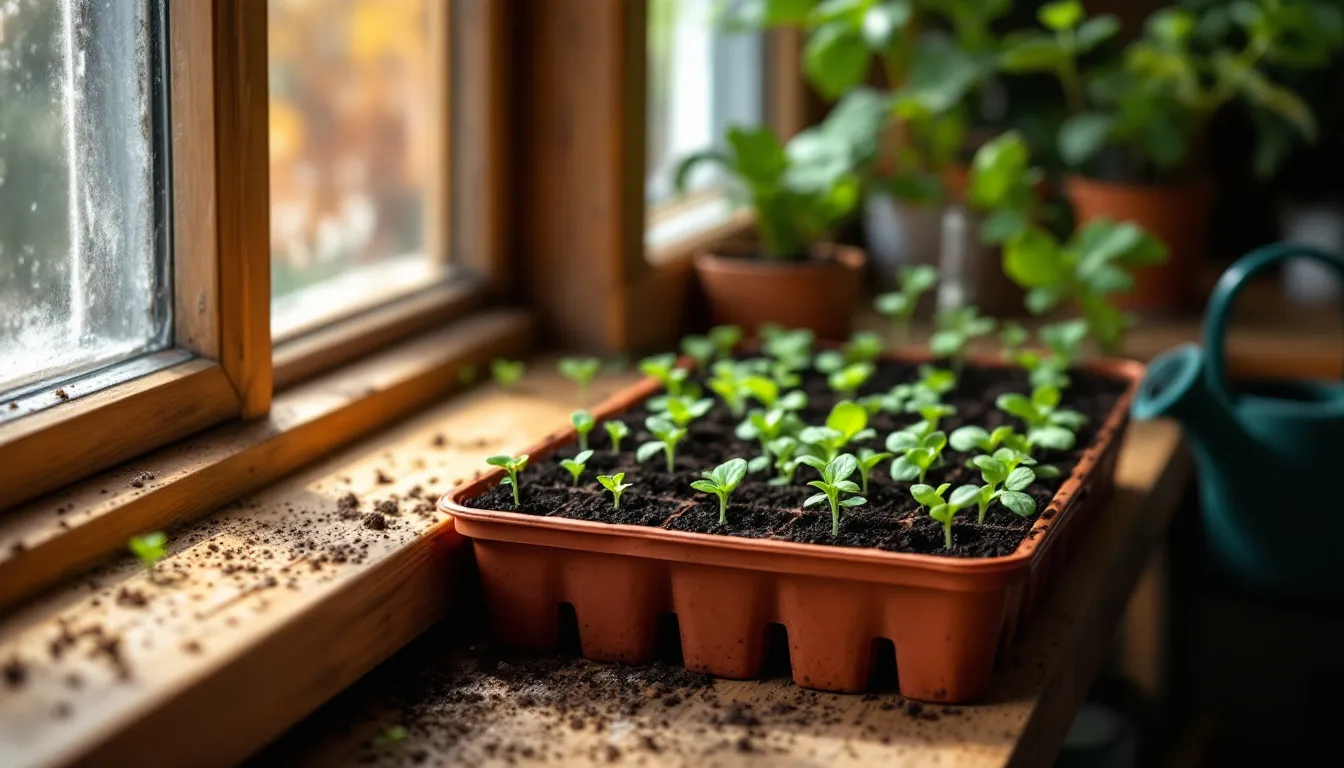
Why August Is the Sweet Spot for Growing Brassicas from Seed in NZ's Winter 🌱
Growing brassicas from seed in NZ's winter might sound counterintuitive — it's cold, the days are short, and the garden can feel like it's holding its breath. But August is actually a golden window of opportunity. Raise your seedlings under cover now and you'll have robust, hardened-off transplants ready the moment spring warmth arrives in September. Get this timing right and you'll be harvesting broccoli, cabbage, and kale weeks ahead of gardeners who waited until the soil warmed up to sow directly outdoors.
Brassicas — the family that includes broccoli, cauliflower, cabbage, kale, kohlrabi, Brussels sprouts, and Asian greens like bok choy and pak choi — are cool-season champions. They actually prefer to grow through cooler temperatures and can handle a light frost once established. That makes them perfectly suited to a spring transplant in Aotearoa, from Northland all the way down to Southland.
Which Brassicas Should You Start in August? 🥦
Not every brassica needs the same lead time, so it pays to be selective about what you pop into trays in the middle of winter. Here's a quick rundown of the best candidates:
Broccoli
Broccoli seedlings take roughly 4–6 weeks from sowing to transplant-ready size (about 10–15 cm tall with a strong root ball). Starting in early-to-mid August gives you transplants perfect for going out in mid-September in most North Island regions, or early-to-mid October in cooler South Island areas. Choose heading varieties like Waltham 29 or Calabrese for reliable main-season harvests.
Cabbage
Cabbage is a slower developer and benefits from being started 5–7 weeks before transplanting. Sow in the first two weeks of August for seedlings that are ready to go out once your last frost risk has passed. Both round-headed and Savoy types do well sown this way. If you're in Southland or Central Otago, hold off transplanting until the soil temperature is consistently above 5–7 °C.
Cauliflower
Cauliflower is arguably the fussiest brassica — it dislikes any check in growth, whether from cold snaps or root disturbance. Starting it indoors in August and giving it a long, steady warm-up period under cover is one of the best ways to avoid the dreaded "buttoning" (forming a tiny, useless curd). Sow into individual cells or small pots rather than open trays to minimise transplant shock.
Kale & Cavolo Nero
Kale is the most forgiving brassica of the lot. It germinates quickly (often within 5–7 days at 15–20 °C) and grows fast, so you can sow kale a little later in August — even the third week — and still have large, sturdy seedlings by mid-spring. Cavolo nero (Tuscan kale) is equally easy and looks stunning in the vege patch.
Brussels Sprouts
If you want Brussels sprouts for a winter 2025 harvest, August is non-negotiable. They need the longest growing season of all common brassicas — often 26–30 weeks from seed to harvest. Sow in early August, transplant in September or October, and you'll be picking sprouts from June onwards. Worth every bit of the wait.
Asian Greens (Bok Choy, Pak Choi, Mizuna)
These fast-maturing greens can be sown in late August and will be ready to harvest surprisingly quickly — some varieties in as little as 30–40 days from transplant. They're great for filling gaps in the spring garden while your slower brassicas get established.
Setting Up Your Indoor Seed-Starting Space ☀️
You don't need a fancy setup. What you do need is warmth for germination and good light once the seeds sprout.
Warmth for Germination
Brassica seeds germinate best between 15–22 °C. In most NZ homes in August, a warm windowsill, the top of a hot water cupboard, or a spot near a heat pump will do the job. Once seeds have germinated (usually within 5–10 days), move them to the brightest spot available — a north-facing window is ideal in the southern hemisphere.
Containers & Seed-Raising Mix
Use seed-raising mix, not standard potting mix — it's finer, drains well, and has a gentle nutrient profile that won't burn delicate seedlings.
Small trays with individual cells work brilliantly for cauliflower and cabbage to reduce root disturbance at transplanting time.
Open trays or punnets suit kale and broccoli fine; just prick them out carefully when they have their first set of true leaves.
Make sure all containers have drainage holes — waterlogged mix is a fast track to damping off.
Watering & Air Circulation
Water from below where possible by sitting trays in a shallow dish of water until the surface of the mix looks moist, then drain. This keeps the stems and leaves dry, which dramatically reduces the risk of damping off — a fungal problem that can wipe out a whole tray of seedlings overnight. Keep a little air movement around your seedlings if you can; even cracking a window on milder winter days helps.
Sowing Step-by-Step 🌿
Fill your containers with lightly moistened seed-raising mix to about 1 cm from the rim.
Sow seeds thinly — roughly 1–2 seeds per cell, or scatter sparingly across open trays.
Cover lightly with a fine layer of seed-raising mix or vermiculite, about 5 mm deep.
Label everything — brassica seedlings all look remarkably similar at first!
Place in a warm spot (15–22 °C) and keep the mix evenly moist until germination.
Once sprouted, move to maximum light and reduce watering slightly to keep the mix moist but never soggy.
Feed lightly with a dilute liquid fertiliser (half strength) once seedlings have their first true leaves.
Hardening Off: The Critical Step Most Gardeners Rush 🌬️
Seedlings raised indoors are soft and sheltered. Put them straight into the garden and they'll sulk, scorch, or suffer wind damage. Hardening off gradually acclimatises them to outdoor conditions over 7–14 days:
Week 1: Move seedlings outside to a sheltered, shaded spot for a couple of hours each afternoon on calm days. Bring them back inside in the evening.
Week 2: Gradually increase outdoor time and sun exposure. Leave them out overnight once night temperatures are reliably above 5 °C (later in the South Island and high-country areas).
Once seedlings look unfazed by a full day outside, they're ready to transplant.
Regional Timing Guide for NZ 🗺️
NZ's long north-south spread means spring arrives at very different times. Here's a rough guide for when to transplant your August-sown seedlings:
Northland & Auckland: Transplant from early-to-mid September.
Waikato, Bay of Plenty, Hawke's Bay: Mid-to-late September.
Wellington & Nelson: Late September to early October.
Canterbury & Marlborough: Early-to-mid October.
Otago & Southland: Mid-to-late October, or once frost risk has passed.
These are starting points — always check your local frost dates and keep an eye on the forecast before putting young plants in the ground.
Common Problems & How to Avoid Them
Leggy Seedlings
Caused by too little light. Rotate trays daily and move them as close to your brightest window as possible. If you're in a particularly dark home, a cheap grow light on a timer (14–16 hours per day) makes a world of difference.
Damping Off
A fungal disease that causes seedlings to collapse at the base. Prevent it with good drainage, bottom-watering, and airflow. Don't overcrowd seedlings.
Slow or Patchy Germination
Usually a temperature issue. Check that your germination spot stays above 12 °C overnight. Old seed can also be the culprit — buy fresh seed each season for the best germination rates.
Browse Seeds & Supplies at Botanical Love 🛒
Ready to get started? At Botanical Love (botanicallove.co.nz) you'll find a great range of brassica seeds — from classic broccoli and cabbage varieties to heirloom kales and Asian greens — along with seed-raising mix, seedling trays, and everything else you need for a successful winter sowing session. Head to our Vegetable Seeds and Seed-Starting Supplies categories to stock up before the August sowing window is in full swing.
Frequently Asked Questions
Can I sow brassicas directly into the garden in August instead?
In most of NZ, direct sowing in August is risky — the soil is cold (often below 10 °C), germination is slow and patchy, and slugs love newly emerged seedlings. Starting under cover gives you a much more controlled, successful outcome.
Do I need a greenhouse to raise brassica seedlings in winter?
Not at all. A warm, bright indoor windowsill is sufficient for germination and early growth. A cold frame or cloche outdoors can work too, especially in milder northern regions, but a north-facing indoor window is the simplest option for most NZ gardeners.
How tall should brassica seedlings be before I transplant them?
Aim for seedlings that are 10–15 cm tall with a thick stem and at least two sets of true leaves. They should look stocky and sturdy, not tall and spindly. A well-hardened seedling will have a slightly darker, firmer appearance than a soft indoor-grown one.
Should I fertilise my brassica seedlings while they're indoors?
Only lightly. Seed-raising mix contains enough nutrients for the first few weeks. Once seedlings have their first true leaves, a half-strength liquid fertiliser every 7–10 days will keep them growing steadily without pushing soft, sappy growth.
What is clubroot and should I worry about it?
Clubroot is a soil-borne disease that distorts and swells brassica roots, stunting or killing plants. It persists in the soil for many years. To reduce the risk, avoid planting brassicas in the same bed more than once every three to four years, and lime the soil to raise the pH to around 7.0–7.5 before planting — clubroot thrives in acidic conditions.
— Botanical Love
Keep reading
More from the Blog
Soil
Winter Soil Preparation NZ: Build Living Soil for Spring
Get your NZ garden beds spring-ready now. Learn how to test, amend & build living soil this winter so your plants explode into growth from September onwards.
Vegetables
Garlic Care in Winter NZ: Feed, Mulch & Maximise Your Crop
Master garlic care in winter NZ with expert tips on feeding, mulching, watering & troubleshooting — so you harvest big, flavourful bulbs come summer.