Gardening Tips
Hardening Off Seedlings NZ Spring: The Complete Guide
3 September 2026 · 9 min read
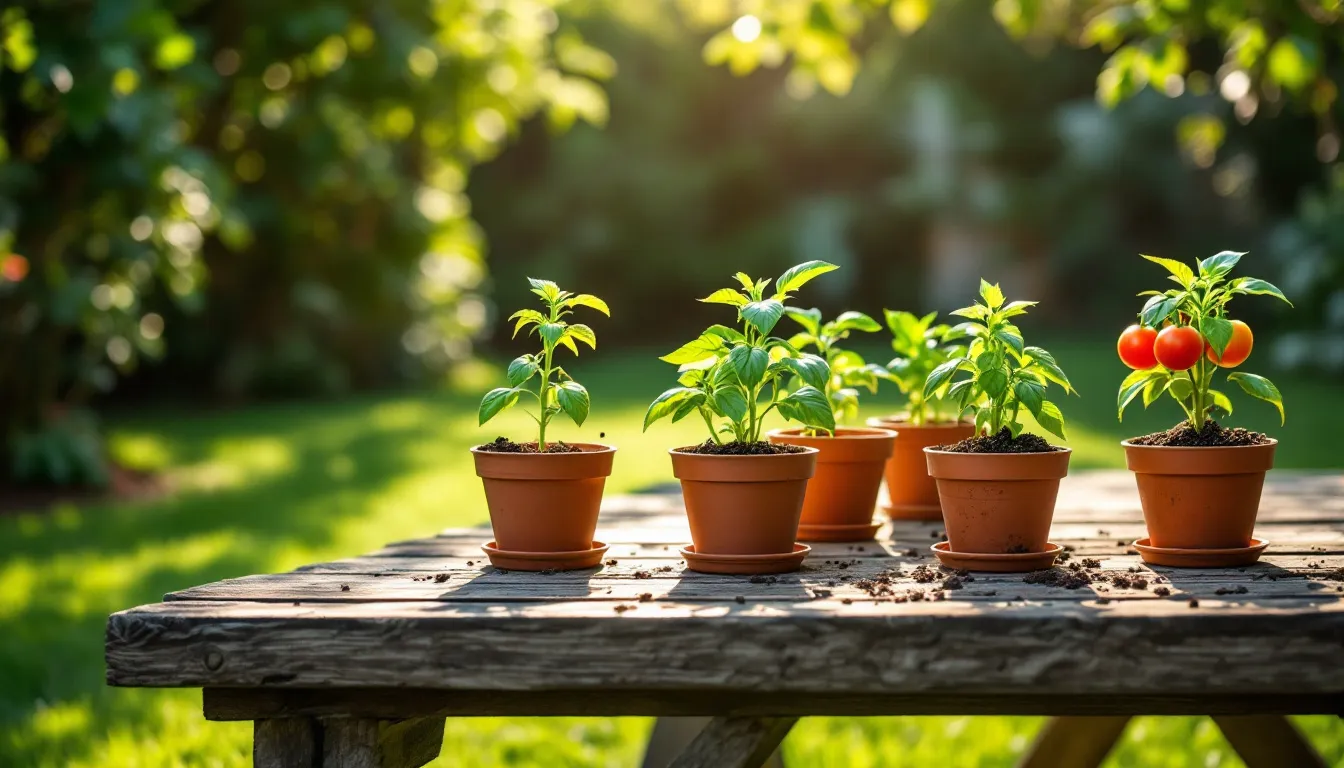
Why Hardening Off Seedlings in NZ Spring Is the Step You Can't Skip 🌱
Hardening off seedlings in NZ spring is the single most important bridge between a warm windowsill and a thriving outdoor garden — and skipping it is the fastest way to lose weeks of careful nurturing in a single afternoon. If you've been raising tomatoes, peppers, or basil indoors since August, those little plants have grown up in a cosy, sheltered world: stable temperatures, gentle indoor light, and zero wind. The moment they hit a breezy Canterbury nor'wester or a crisp Otago morning, the shock can cause wilting, sunscald, or outright collapse. The good news? A simple, patient process of gradual acclimatisation — hardening off — means you can set your seedlings up for a cracking summer season without losing a single one.
What Actually Happens to Seedlings Without Hardening Off? 🌿
To understand why hardening off matters, it helps to know what's going on inside the plant. Seedlings raised indoors develop thin, soft cell walls and minimal protective wax on their leaves — there's simply been no need for armour against UV, wind, or temperature swings. When you suddenly expose them to full outdoor conditions, a few things can go wrong:
Sunscald: White or bleached patches on leaves caused by intense UV radiation the plant isn't yet equipped to handle.
Wind damage: Soft stems can snap or leaves can desiccate rapidly when exposed to even moderate breezes.
Cold stress: In NZ spring (September to November), overnight temperatures — especially in the South Island and higher-altitude areas — can still dip below 10°C, which is damaging for heat-lovers like tomatoes, peppers, and basil.
Transplant shock: The combined stress of new light, temperature, and humidity levels can cause seedlings to stall, drop leaves, or fail to establish.
A proper hardening-off period gives plants time to build thicker cell walls, develop that protective waxy cuticle, and strengthen their stems — setting them up to grow vigorously once they're in the ground.
When to Start Hardening Off in NZ: A Regional Guide 🗺️
New Zealand's climate varies enormously from Northland to Southland, so there's no single date that works for everyone. Here's a rough guide to get you started:
Northland & Auckland: You can begin hardening off tomatoes and peppers from mid-September, with basil following in early October once overnight lows are reliably above 12°C.
Waikato, Bay of Plenty & Hawke's Bay: Aim for late September to early October. Keep an eye on overnight forecasts — cold snaps are still possible.
Wellington & Marlborough: October is generally the safer window. Wellington's notorious wind means you'll want to be extra strategic about sheltered spots.
Canterbury & Nelson: Hold off until mid-October at the earliest. Frost is still possible through September and even into early October in inland areas.
Otago & Southland: Be patient — late October to early November is more appropriate. Frost risk remains real, and basil in particular will sulk badly if temperatures drop below 10°C.
As a general rule of thumb: if overnight temperatures are consistently above 10°C for your area, you're in a safe window to begin. Always check your local MetService forecast before starting.
How to Harden Off Seedlings: A Step-by-Step Process 🪴
The whole process takes around 7 to 14 days. Resist the urge to rush it — the extra week you invest now pays dividends all season long.
Days 1–2: Dipping a Toe Outside
Choose a calm, mild day with no frost forecast. Place your seedlings in a sheltered spot outdoors — think the north-facing side of a fence, a covered porch, or beside a wall that absorbs heat. Give them just 1 to 2 hours of outdoor exposure in the morning, then bring them back inside. Avoid placing them in direct midday sun at this stage.
Days 3–4: Building Up the Exposure
Increase outdoor time to 3 to 4 hours. You can begin introducing a little gentle, direct morning sunlight, but still avoid the harsh midday and early afternoon sun. Bring them in before the temperature drops in the evening.
Days 5–7: Half Days Outside
By now your seedlings should be managing 5 to 6 hours outdoors, including some direct sunlight. Watch for any signs of wilting or leaf scorch and adjust accordingly. Start letting them experience light breezes — this actually helps strengthen stems through a process called thigmomorphogenesis (the plant's response to physical touch and movement).
Days 8–10: Full Days, Sheltered Nights
Leave seedlings outside for a full day, but still bring them in overnight if temperatures are forecast below 10°C. At this stage, introduce a few hours of afternoon sun gradually.
Days 11–14: Full Exposure
Your seedlings are now spending full days and, if conditions allow, nights outdoors. Once you've had two or three nights outside without stress or damage, they're ready for transplanting into their final position in the garden or a large container.
Crop-Specific Tips for Tomatoes, Peppers & Basil 🍅🌶️🌿
Tomatoes
Tomatoes are relatively robust among warm-season crops but are still highly sensitive to cold and wind as seedlings. Keep them away from direct wind during the first week. If stems are very spindly (a sign of not enough light indoors), the hardening-off period will also help bulk them up — you may notice the stems visibly thickening within days of outdoor exposure. Never let soil dry out completely during this period; outdoor conditions will dry pots out far faster than indoors.
Peppers & Chillies
Peppers and chillies are the most cold-sensitive of the three. They genuinely sulk — and can stall for weeks — if exposed to temperatures below 10°C at any point. Take your time with these. If you're in the South Island or at altitude, seriously consider waiting until November before even beginning the hardening-off process. A cold frame or cloche is a brilliant helper here, allowing you to start earlier with added protection.
Basil
Basil is the drama queen of the vegetable garden. Even a light frost will turn it black overnight. Even prolonged cold (below 10°C) causes chilling injury that appears as dark, water-soaked patches. Harden basil off last, and only when you're very confident overnight temperatures are settled. In colder regions, consider growing basil in containers that can be whisked inside if a cold snap threatens, even after planting out.
Handy Tools & Techniques to Make Hardening Off Easier ✅
Cold frames: A cold frame is an absolute game-changer for hardening off in NZ spring. It buffers temperature extremes and wind while still allowing fresh air and outdoor light. You can open the lid progressively each day.
Cloches & frost cloth: Lightweight frost cloth (also called fleece) lets you leave seedlings outside overnight with an extra layer of protection on cool nights. It can make a 3–4°C difference — enough to protect tomatoes and peppers on a borderline evening.
A sheltered north-facing wall: In the southern hemisphere, a north-facing wall captures maximum warmth and sun. It's the ideal acclimatisation zone.
A simple timer or phone reminder: It sounds obvious, but forgetting seedlings outside on a cold evening is one of the most common hardening-off mistakes. Set a daily reminder to bring them in.
Watering discipline: Check soil moisture morning and evening. Outdoor air and sun dry out small pots very quickly.
Signs Something Has Gone Wrong (and How to Fix It)
Even with the best intentions, things sometimes go sideways. Here's what to watch for:
White or pale patches on leaves: Sunscald. Move plants to a more sheltered position with less direct sun and let them recover for a few days before reintroducing sun gradually.
Wilting despite moist soil: Wind stress or cold shock. Bring plants inside, water gently, and restart the process more slowly.
Dark, water-soaked patches on basil: Chilling injury from temperatures below 10°C. Unfortunately, affected leaves won't recover, but if the growing tip is still healthy, the plant often bounces back once conditions warm up.
No visible growth / stunted appearance: Cold stress slowing metabolism. Patience and warmer conditions are the remedy — avoid the temptation to fertilise heavily at this stage, as that can cause more stress.
Ready to Grow? Browse Botanical Love 🛒
Whether you're looking for premium tomato, pepper, or basil seeds to start your own seedlings, or you need cold frames, frost cloth, and quality potting mix to make hardening off a breeze, you'll find everything you need at botanicallove.co.nz. Explore our range of vegetable seeds, seedling supplies, and gardening accessories — all curated for Kiwi gardeners and our unique growing conditions. Happy growing, Aotearoa!
Frequently Asked Questions
How long does hardening off take for tomato seedlings in NZ?
Plan for 7 to 14 days. The process can be done in as little as a week in warm, settled spring conditions (common in Northland and Auckland), but cooler southern regions or unsettled weather may mean taking a full two weeks to be safe. Don't rush it — the investment pays off all season.
Can I harden off seedlings in winter or early spring in New Zealand?
It's generally not recommended for warm-season crops like tomatoes, peppers, and basil. These plants need overnight temperatures consistently above 10°C to harden off safely. In most NZ regions, that means waiting until at least September (Northland/Auckland) or October–November (South Island). Use that time to grow strong, healthy seedlings indoors instead.
What's the biggest mistake people make when hardening off seedlings?
Moving too fast, too soon. It's very tempting on a beautiful NZ spring day to just put all your seedlings outside — but a full day of direct sun and wind on day one is a recipe for disaster. Start with just an hour or two in a sheltered spot and build up gradually over 1 to 2 weeks.
Do I need a cold frame to harden off seedlings in NZ?
You don't need one, but it makes the process significantly easier, especially in cooler regions like Canterbury, Otago, and Southland. A cold frame extends your safe hardening window and protects plants on unpredictable spring nights. A DIY version using an old window frame and some timber works perfectly well.
Can I harden off seedlings bought from a garden centre?
Yes — and it's a good idea. While garden centre seedlings have often had some outdoor exposure, they may still have been in a protected greenhouse environment. Give them 3 to 5 days of gradual outdoor acclimatisation before planting out, especially if conditions have been particularly warm and sheltered at the nursery.
— Botanical Love
Keep reading
More from the Blog
Vegetables
Transplanting Tomato Seedlings NZ Spring: Full Guide
Learn how to harden off & transplant tomato seedlings in NZ this September. Expert tips for every region, from Northland to Southland. Bumper crop guaranteed!
Vegetables
What to Plant in September NZ: Spring Seed-Sowing Guide
Discover what to plant in September NZ with our ultimate spring seed-sowing guide. Warm-season veggies, sowing tips & regional advice for Kiwi gardeners.