Vegetables
Growing Tomatoes from Seed NZ: Spring to Harvest Guide
5 September 2026 · 8 min read
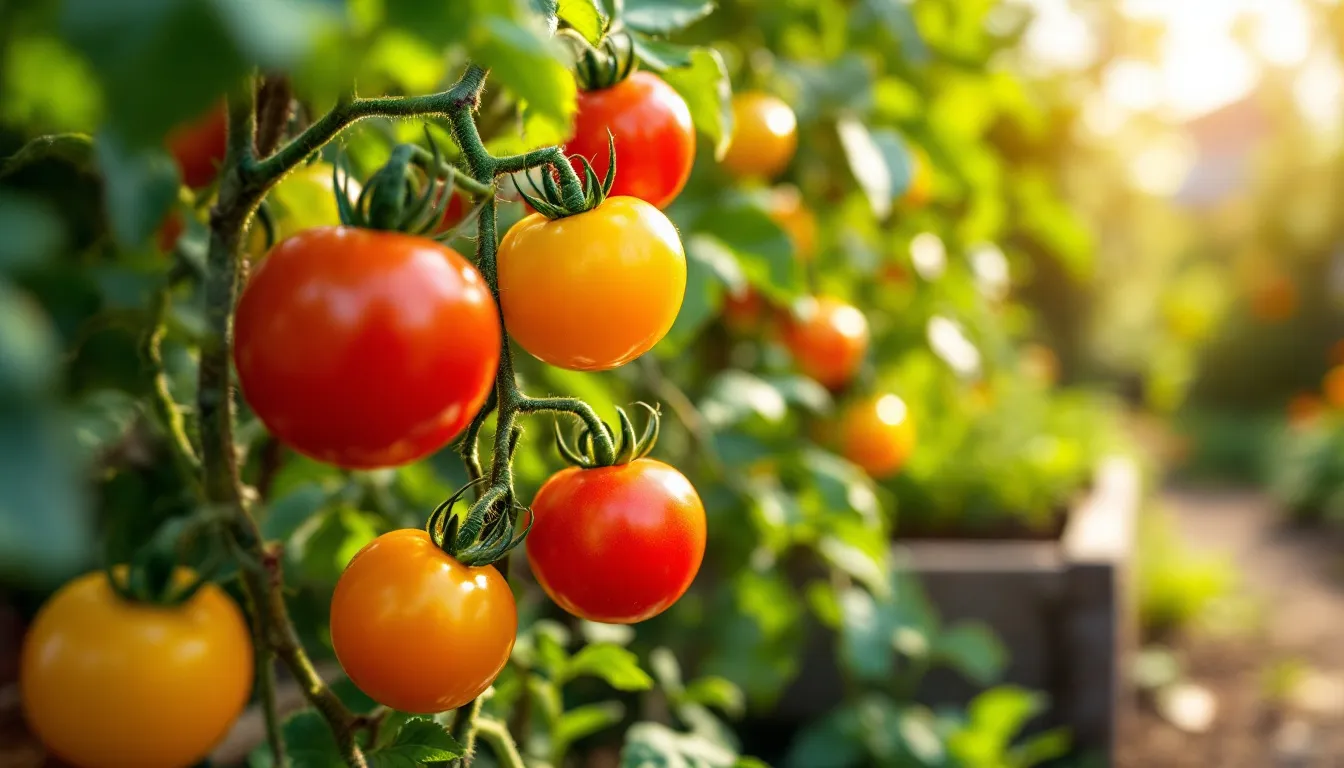
🍅 Growing Tomatoes from Seed in NZ: Everything You Need to Know
Growing tomatoes from seed in NZ is one of the most rewarding things you can do in a home garden. There is something genuinely magical about nurturing a tiny seed all the way through to a sun-warmed tomato you can eat straight off the vine. Whether you are a first-timer in a Northland backyard or a seasoned Southland grower working against a shorter season, this complete spring guide — covering September right through to harvest — will walk you through every step with confidence.
🌱 Why Start from Seed?
Buying seedlings from a garden centre is perfectly fine, but starting tomatoes from seed opens up a whole new world of variety. When you grow from seed you can choose from hundreds of cultivars — heirlooms, cherries, beefsteaks, paste tomatoes — many of which you will simply never find as ready-grown plants. You also save money, gain more control over plant health from day one, and get that deeply satisfying connection to the full growing cycle.
Wider variety selection — access rare heirlooms and open-pollinated types not sold as seedlings
Better value — a single seed packet can give you 20–30 plants for a fraction of the cost
Stronger plants — seedlings raised by you are acclimatised to your specific garden conditions
No hidden disease history — you know exactly what your plant has been exposed to
📅 When to Sow Tomato Seeds in New Zealand
Timing is everything with tomatoes. They need warmth to germinate and are frost-tender, so sowing too early without protection is a recipe for disappointment. In New Zealand's southern-hemisphere calendar, spring runs from September to November — and that is your key sowing window.
Sowing Calendar by Region
Northland & Auckland: Sow indoors from late August; transplant outside from mid-October
Waikato, Bay of Plenty & Hawke's Bay: Sow indoors early September; transplant from late October
Wellington & Nelson/Marlborough: Sow indoors mid-September; transplant from early November
Canterbury & Otago: Sow indoors late September; transplant from mid-November after last frost
Southland & Central Otago: Sow indoors early October; transplant carefully from late November — choose short-season varieties
As a general rule, wait until your overnight temperatures are consistently above 10 °C before moving seedlings outdoors. A soil thermometer is a worthy investment for any serious veggie gardener.
🪴 Choosing the Right Tomato Varieties for NZ
New Zealand's climate varies enormously from the humid subtropical north to the cooler, drier south, so variety selection matters. Here are some broad categories to consider:
Cherry Tomatoes
Cherry varieties like Sweetie, Sungold, and Black Cherry are brilliant for most NZ gardens. They ripen quickly, are prolific producers, and cope well with both humid northern summers and cooler southern seasons. Great for beginners.
Heirloom & Open-Pollinated Varieties
Classics like Brandywine, Mortgage Lifter, and Tigerella offer superb flavour and the bonus of seed-saving. They tend to need a longer warm season, so they are best suited to northern and central regions.
Paste & Processing Tomatoes
Roma and similar paste types are meatier with less moisture — perfect for sauces and preserves. They are compact, reliable, and suit most NZ regions.
Short-Season Varieties for Southern NZ
If you are gardening in Southland, Otago, or elevated inland areas, look for varieties described as "early" or "short-season" — those that ripen within 60–70 days. Siberia and Stupice are classic cold-tolerant picks.
🌡️ How to Sow Tomato Seeds Step by Step
Tomato seeds are straightforward to germinate as long as you give them warmth, moisture, and good light. Here is exactly how to do it:
Fill seed-raising trays or small pots with a quality seed-raising mix — not regular potting mix, which can be too heavy and poorly drained for seedlings.
Sow seeds 5–6 mm deep, two seeds per cell or pot. Firm gently and water in with a fine mist.
Keep warm: tomatoes germinate best between 20–27 °C. Place trays on a heat mat or on top of a warm appliance — a hot water cupboard works well.
Cover loosely with plastic wrap or a humidity dome to retain moisture until germination (usually 5–10 days).
Once seedlings emerge, move immediately to bright light — a sunny north-facing windowsill or a greenhouse. Remove any humidity cover.
Thin to one seedling per cell once the true leaves appear, keeping the strongest plant.
☀️ Caring for Seedlings Indoors
The weeks your tomato seedlings spend indoors are critical for building strong, healthy plants. Leggy, pale seedlings are the number one mistake NZ home gardeners make — nearly always caused by insufficient light.
Light
Tomatoes need at least 8 hours of direct or very bright indirect light per day. A north-facing glasshouse or conservatory is ideal. Rotate pots every couple of days so plants grow evenly rather than leaning toward the light source.
Watering
Keep the mix consistently moist but never waterlogged. Allow the surface to dry slightly between waterings. Overwatering causes damping off — a fungal collapse at the stem base that kills seedlings fast.
Feeding
Start feeding with a half-strength liquid fertiliser once the first true leaves appear. Use a balanced formula to begin with, switching to a lower-nitrogen, higher-potassium feed once plants are established and flowering.
Potting On
When roots begin to show at the bottom of the pot or the seedling looks cramped, pot up into a larger container (at least 10 cm). You can bury tomato stems quite deeply — they will grow extra roots along the buried stem, producing a stronger, more drought-tolerant plant.
🌿 Hardening Off: The Crucial Step Most Gardeners Skip
Before transplanting outside, seedlings must be hardened off — gradually acclimatised to outdoor conditions over 7–14 days. Indoor-raised plants are not used to wind, direct UV, or temperature swings, and planting them straight outside causes transplant shock.
Week 1: Place pots outside in a sheltered, semi-shaded spot for 2–3 hours per day, bringing them in before evening.
Week 2: Gradually increase outdoor time, introduce more sun, and begin leaving them out on mild nights (above 10 °C).
By the end of the second week, plants should be ready for permanent outdoor planting.
🏡 Planting Out & Summer Care
Choose a sunny, sheltered spot with at least 6–8 hours of direct sun per day. Tomatoes are hungry, thirsty plants — prepare your soil well with compost and a balanced vegetable fertiliser before planting.
Spacing & Support
Plant indeterminate (tall/vining) varieties 60–80 cm apart and provide a sturdy stake or trellis at least 1.5–1.8 m tall. Determinate (bush) varieties can be planted slightly closer and need only a short cage or stake.
Watering in Summer
Consistent watering is key — irregular moisture causes blossom end rot and fruit splitting. Aim for deep, regular watering at the root zone rather than light sprinkles. Mulching around plants conserves moisture and keeps the soil temperature stable through New Zealand's hot December–February summers.
Pruning & Suckering
For indeterminate varieties, pinch out the "suckers" — the shoots that grow in the angle between the main stem and a branch. This keeps energy focused on fruit production rather than excess foliage. Determinate varieties generally need less pruning.
Pest & Disease Watch
Common NZ tomato troubles include:
Tomato/potato psyllid — tiny sap-sucking insects; look for yellowing and stunted growth
Blight (early and late) — favour humid, warm conditions; improve airflow and avoid overhead watering
Whitefly — use yellow sticky traps or neem oil spray as an organic control
Blossom end rot — not a pest but a calcium uptake issue caused by irregular watering; mulch and water consistently
🍅 Harvesting Your Tomatoes
From transplanting to first harvest is typically 8–14 weeks depending on variety and region. Tomatoes are ready to pick when they are fully coloured (red, yellow, orange, or purple depending on variety), slightly soft to the touch, and come away from the stem easily. For best flavour, let them ripen fully on the vine rather than on the kitchen bench. Harvest regularly to encourage continued fruiting right through to late autumn.
🛒 Shop Tomato Seeds & Supplies at Botanical Love
Ready to get growing? At Botanical Love (botanicallove.co.nz) you will find a carefully curated range of tomato seeds — from classic heirlooms to reliable NZ-proven varieties — alongside seed-raising mix, heat mats, trays, fertilisers, and everything else you need for a brilliant season. Browse our Vegetable Seeds and Garden Supplies categories and get your spring growing off to the best possible start.
❓ Frequently Asked Questions
How long do tomato seeds take to germinate in NZ?
Under warm conditions (20–27 °C), tomato seeds typically germinate in 5–10 days. Cooler temperatures will slow this down significantly, so using a heat mat in early spring is highly recommended.
Can I grow tomatoes from seed if I live in Southland or Central Otago?
Absolutely — but choose early or short-season varieties, sow in October, and consider a glasshouse or tunnel house to extend your season. Frost protection is essential until at least late November in these regions.
What is the difference between determinate and indeterminate tomato varieties?
Determinate (bush) varieties grow to a set height, produce fruit over a concentrated period, then stop. Indeterminate (vining) varieties keep growing and fruiting until the first frost — they need staking and regular suckering but tend to produce over a much longer season.
Should I use a special seed-raising mix or can I use regular potting mix?
Always use a seed-raising mix for germination. It is finer in texture, well-draining, and lower in nutrients — which is ideal for delicate seedlings. Regular potting mix can be too coarse and high in nutrients, potentially burning young roots.
When should I start feeding my tomato seedlings?
Wait until the first true leaves appear (not the initial seed leaves), then begin with a half-strength liquid fertiliser every 1–2 weeks. Once plants are in the ground and flowering, switch to a fertiliser higher in potassium and phosphorus to support fruit development.
— Botanical Love
Keep reading
More from the Blog
Gardening Tips
Companion Planting NZ Spring: Veg, Herbs & Flowers
Discover the best companion planting combos for NZ spring gardens. Grow vegetables, herbs & flowers together for bigger harvests & fewer pests. Tips for all regions.
Gardening Tips
Hardening Off Seedlings NZ Spring: The Complete Guide
Learn how to harden off tomato, pepper & basil seedlings in NZ spring. Step-by-step advice for every region, from Northland to Southland. Don't lose a single plant!