Vegetables
Growing Capsicums from Seed NZ: Full Spring Guide
7 September 2026 · 9 min read
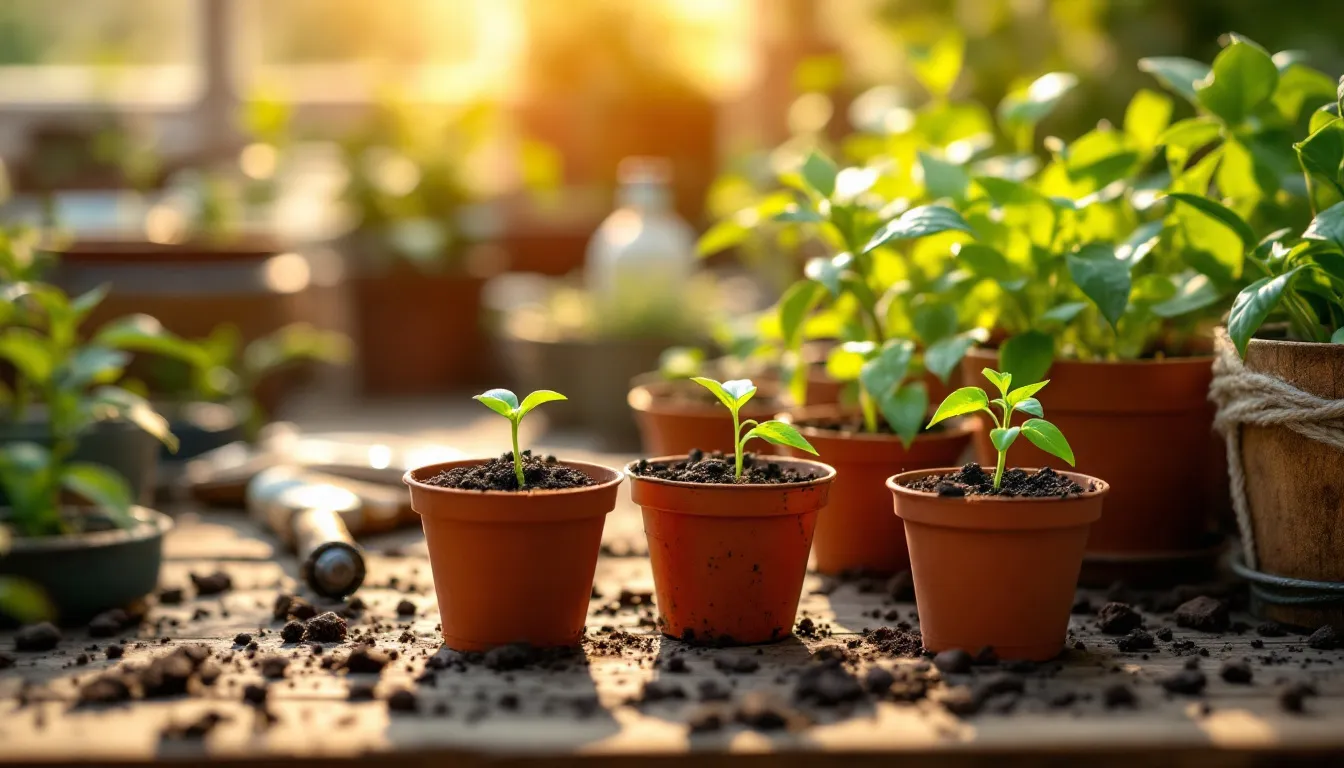
🌱 Why Growing Capsicums from Seed in NZ Is Worth Every Effort
Growing capsicums from seed in NZ is one of the most rewarding projects a home gardener can take on — and spring is the season that makes it all possible. Capsicums (also called sweet peppers or bell peppers) are sun-loving, warm-season vegetables that absolutely thrive in the New Zealand summer when given the right start. The catch? They need a long growing season, which means if you wait until the soil warms up to sow directly outdoors, you'll be racing against autumn's cool nights before your harvest is complete. The solution is simple: get your seeds going indoors in September, nurture them through spring, and transplant healthy, robust seedlings once the weather is reliably warm. This guide walks you through every step, from seed packet to full fruit, with tips tailored to Aotearoa's regions and southern-hemisphere seasons.
🗓️ Understanding Capsicum's Seasonal Timeline in New Zealand
Capsicums are subtropical plants that originate from Central and South America. They need a long, warm growing window — typically four to five months from transplant to full harvest. In New Zealand terms, that means:
Sow indoors: August–September (late winter to early spring)
Transplant outdoors: October–November (mid to late spring), once nighttime temperatures stay reliably above 10°C
Harvest: January–April (summer through early autumn)
Gardeners in Northland, Auckland, Bay of Plenty, and Hawke's Bay have the easiest time, with long warm summers that let capsicums flourish. Those in Wellington, Nelson, and Marlborough can do very well too, especially with a sheltered, sunny spot. South Island gardeners in Canterbury and Otago should lean on raised beds, cloches, or a greenhouse to extend the season, and starting seeds in August gives a crucial head start.
🌡️ Heat: The Non-Negotiable Requirement
If there is one thing capsicums are fussy about, it is warmth — particularly during germination. Seeds will sulk and rot in cold soil, but give them the right temperature and they spring to life beautifully.
Germination Temperature
Capsicum seeds germinate best between 24°C and 30°C. At cooler temperatures germination slows dramatically or fails altogether. To achieve this indoors during September, consider these options:
Heat mat or propagation mat: The most reliable method. Place your seed trays on a heat mat set to 26–28°C and germination typically occurs within 10–14 days.
Warm spots in the home: The top of a hot water cylinder cupboard, above the fridge, or near a heat pump (not directly in the airflow) can provide useful ambient warmth.
Heated greenhouse or glasshouse: If you have one, this is ideal — maintain overnight temperatures above 18°C if possible.
Keeping Seedlings Warm After Germination
Once your seeds have sprouted, you can drop the temperature slightly — aim for a daytime range of 20–26°C and no lower than 15°C at night. A bright, sunny windowsill (south-facing is warmest in NZ) is perfectly adequate, provided the glass doesn't create cold draughts at night. Consider moving trays away from windows after dark during cold snaps.
🪴 Sowing Capsicum Seeds Indoors: Step by Step
Getting the sowing stage right sets the tone for your entire season. Follow these steps for the best results.
Choose your containers. Small individual cell trays (4–6 cm cells) or 7 cm pots work well. Avoid very large pots at this stage — capsicum seedlings prefer cosy root zones early on.
Use quality seed-raising mix. Don't use garden soil — it compacts and can harbour disease. A fine, well-draining seed-raising mix gives roots the airflow and moisture balance they need.
Pre-moisten the mix. Water the mix before sowing so it is evenly damp but not waterlogged. Squeeze a handful — it should hold its shape, then crumble.
Sow 2–3 seeds per cell. Press each seed about 5–8 mm deep and cover lightly. Sowing a few extras accounts for variable germination rates.
Cover with a humidity dome or plastic wrap. This keeps moisture in and temperatures up. Remove the cover as soon as seedlings emerge — usually within 10–18 days at the right temperature.
Place on heat. As discussed above, a heat mat is your best friend here. Check daily for moisture — the mix should stay consistently damp, not soggy.
Thin to one seedling per cell. Once seedlings have their first set of true leaves, snip off the weaker ones at soil level. Don't pull them — you'll disturb your keeper's roots.
☀️ Light Requirements for Healthy Capsicum Seedlings
Warmth gets seeds going, but light is what builds stocky, healthy seedlings. Leggy, stretched seedlings are a sign of insufficient light and will underperform all season.
Place seedlings in the brightest spot available — a north or west-facing window in NZ gets the most direct sun.
Rotate trays every couple of days so seedlings don't lean towards the light source.
If natural light is limited (common in September), a simple LED grow light positioned 5–10 cm above seedlings for 14–16 hours per day makes a significant difference.
Avoid placing seedlings directly under air conditioning units or in draughty spots — capsicums hate temperature swings.
🌿 Potting On: Moving to Larger Containers
When your seedlings are about 8–10 cm tall and have 3–4 sets of true leaves — typically late September to mid-October — they are ready to move into bigger pots. This is called potting on, and it gives roots more room to expand before the plants head outside.
Move seedlings into 10–12 cm pots filled with a good quality potting mix.
Water in well with a diluted liquid fertiliser (seaweed or fish-based fertilisers are excellent) to reduce transplant stress.
Keep pots indoors or in a greenhouse for another 3–4 weeks while outdoor conditions catch up.
🏡 Transplanting Outdoors: Timing and Technique
Rushing capsicums outside too early is the single most common mistake NZ gardeners make. A setback from cold shock can cost you several weeks of growing time — time you really can't afford with these long-season crops.
When Is It Safe to Plant Out?
Wait until nighttime temperatures are consistently above 10°C — ideally 12–15°C.
In Northland and Auckland, this is often safe by late October. In Wellington and Nelson, early-to-mid November. In Canterbury and further south, aim for mid-November and use cloches for added warmth.
Watch the 10-day forecast, not just a single fine day.
Hardening Off
Before transplanting, gradually acclimatise your seedlings to outdoor conditions over 7–10 days. Start by placing them outside in a sheltered, partly shaded spot for a couple of hours, then progressively increase their time outside and exposure to direct sun. This toughens the leaves and stems for real-world conditions.
Planting Out
Choose a warm, sunny, sheltered position — a north or west-facing bed is ideal. Avoid exposed spots where wind can chill and damage plants.
Space plants 45–60 cm apart in rows 60–70 cm apart.
Dig in compost or well-rotted manure before planting, and consider a slow-release vegetable fertiliser to support the long growing season.
Water in well and consider placing a cloche or frost cloth on standby for any surprise cold nights in November.
🫑 Top Capsicum Varieties for NZ Conditions
Not all capsicum varieties perform equally in our climate. Here are some tried-and-true types that suit New Zealand gardens well:
California Wonder: A classic large bell pepper, reliable and high-yielding. Fruits ripen from green to red. Great across most NZ regions.
Yolo Wonder: Similar to California Wonder but with better disease resistance. Excellent for humid northern regions.
Mini Sweet Mix: Compact plants producing masses of small, sweet, colourful fruits — ideal for containers and smaller gardens.
Lipstick: A pimento-type capsicum, thick-walled and very sweet. Ripens quickly — a good choice for shorter-season areas like Wellington and the South Island.
Chocolate Beauty: A unique brown-to-red variety with a rich, sweet flavour. Eye-catching in the garden and on the plate.
Sweet Banana (Yellow Wax): Long, tapered, pale yellow fruits that are prolific and early to mature. Very well suited to NZ conditions.
If you enjoy a little heat in your cooking, consider growing mildly hot varieties like Anaheim or Poblano alongside your sweet capsicums — they require identical growing conditions and are just as rewarding.
💧 Ongoing Care Through Summer
Once established, capsicums are relatively low-maintenance. Keep these key points in mind through your summer growing season:
Watering: Deep, consistent watering is key. Allow the top couple of centimetres of soil to dry slightly between waterings, then water thoroughly. Irregular watering can cause blossom end rot.
Feeding: Once plants start flowering, switch to a fertiliser higher in potassium and phosphorus (rather than nitrogen) to encourage fruiting rather than leafy growth.
Staking: Capsicums can become top-heavy with fruit. Stake plants or use tomato cages to prevent wind damage.
Mulching: A layer of pea straw or similar mulch keeps roots cool, retains moisture, and suppresses weeds during hot summer months.
Harvesting: You can harvest capsicums green (they're perfectly delicious this way) or wait for them to ripen to red, yellow, or orange — fully ripe fruits are sweeter but take several more weeks on the plant.
🛒 Ready to Get Started? Shop at Botanical Love
Everything you need to grow beautiful capsicums this season is right here at Botanical Love. Browse our range of vegetable seeds — including a great selection of capsicum and pepper varieties — as well as seed-raising mix, propagation trays, heat mats, and organic fertilisers. Whether you're in Auckland or Invercargill, we've got you covered for a cracking summer harvest. Visit us at botanicallove.co.nz and get your September sowing off to the best possible start.
Frequently Asked Questions
Can I sow capsicum seeds directly outdoors in NZ?
It's not recommended. Capsicums need warm soil (above 20°C) to germinate reliably, and NZ spring soils are usually too cool until November. Starting seeds indoors in September gives plants the long growing season they need to produce a full crop before autumn cools down.
How long do capsicums take to germinate?
At an ideal temperature of 26–28°C, capsicum seeds typically germinate in 10–14 days. At cooler temperatures (below 20°C), germination can take 3–4 weeks or may fail altogether — so investing in a heat mat makes a real difference.
Why are my capsicum seedlings leggy and pale?
Leggy, stretched seedlings are almost always a sign of insufficient light. Move them to your brightest windowsill, rotate the tray regularly, or supplement with a grow light. Ensure they're also warm enough — cold seedlings grow poorly even in good light.
When can I plant capsicums outside in the South Island?
For most South Island regions (Canterbury, Otago, Southland), wait until mid-to-late November when nighttime temperatures are consistently above 10°C. Using cloches, frost cloth, or a raised bed in a sheltered, north-facing position extends your effective season significantly.
How do I know when capsicums are ready to pick?
Green capsicums are ready to harvest once they reach full size — usually about the size of a large fist for bell-type varieties. To get coloured fruit (red, yellow, or orange), simply leave them on the plant longer. Colour change can take an additional 2–4 weeks after reaching full green size, depending on temperature and variety.
— Botanical Love
Keep reading
More from the Blog
Herbs
Growing Basil from Seed NZ Spring: Your Full Guide
Learn how to grow basil from seed in NZ this spring. Timing, warmth tips, pinching secrets & more — your complete September sowing guide for Kiwi gardeners.
Vegetables
Growing Tomatoes from Seed NZ: Spring to Harvest Guide
Learn how to grow tomatoes from seed in NZ — from sowing in September to a bumper summer harvest. Expert tips for every NZ region, variety choice & more.