Herbs
Growing Basil from Seed NZ Spring: Your Full Guide
6 September 2026 · 9 min read
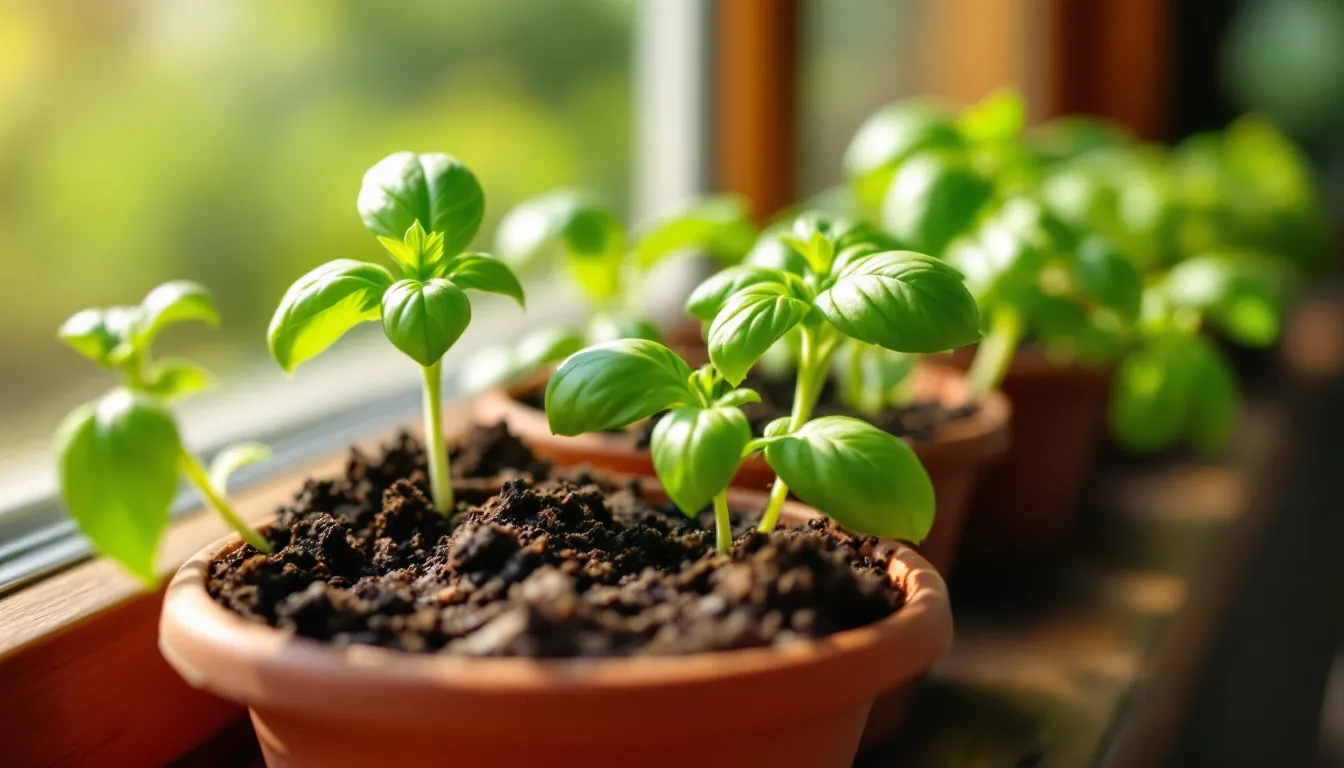
🌱 Growing Basil from Seed in NZ This Spring — Why September Is Your Magic Month
Growing basil from seed in NZ spring is one of the most rewarding things a Kiwi gardener can do come September. Few herbs match basil for flavour, fragrance, and sheer kitchen versatility — and raising it from seed yourself means you choose the variety, control the conditions, and enjoy a far more abundant harvest than a single supermarket pottle will ever give you. Whether you're gardening in sunny Northland or navigating the cooler springs of Canterbury and Otago, this guide walks you through everything: timing, warmth requirements, sowing technique, transplanting, and the all-important pinching secret that keeps your plant bushy and productive all summer long.
🗓️ Understanding NZ Spring Timing for Basil
Basil is a warm-season herb that flatly refuses to cooperate in cold soil. In New Zealand, spring runs from September through November, but basil sowing has its own sweet spot within that window.
Why September works — with a caveat
September is ideal for indoor or glasshouse sowing. Soil temperatures outdoors are still recovering from winter across much of the country, and basil seeds need a consistent 20–25 °C to germinate reliably. Starting seeds inside in September means your seedlings will be robust and ready to transplant outdoors once the risk of frost has passed — typically late October in the North Island and mid-to-late November in cooler South Island regions like Marlborough, Canterbury, and Central Otago.
Regional timing at a glance
Northland, Auckland, Waikato, Bay of Plenty: Sow indoors from early September; transplant outdoors from mid-October.
Hawke's Bay, Taranaki, Wellington: Sow indoors mid-September; transplant from late October to early November.
Nelson, Marlborough, West Coast: Sow indoors from mid-September; transplant from early November.
Canterbury, Otago, Southland: Sow indoors late September; wait until mid-to-late November before transplanting outside — or grow in a tunnel house or glasshouse through November.
🌡️ Getting the Warmth Right — The Number-One Basil Secret
Ask any experienced herb grower and they'll tell you the same thing: warmth is everything with basil. Cold, sluggish germination leads to leggy, stressed seedlings that never quite recover. Here's how to nail it.
Seed-raising mix matters
Always use a quality seed-raising mix rather than garden soil or potting mix. A fine-textured, well-draining mix holds just enough moisture without waterlogging — soggy conditions are a fast track to damping off, a fungal problem that kills basil seedlings at the soil line. Fill small pots or seedling trays to about 1 cm from the top.
Sowing depth and spacing
Basil seeds are tiny. Sow them at a depth of roughly 3–5 mm — just a light covering of mix is all they need. Sow 2–3 seeds per small cell or pot, then thin to the strongest seedling once they've sprouted. Overcrowding at this stage promotes disease.
Creating warmth without a heat mat
A propagation heat mat is the gold-standard tool for consistent bottom heat, but if you don't have one, there are tried-and-true alternatives:
Place your seed tray on top of your hot water cylinder (covered with a cloth to protect the tray).
Use a north-facing windowsill that gets strong sun throughout the day.
Cover trays with a clear plastic dome or a sheet of cling wrap to trap warmth and humidity — remove it daily for ventilation to prevent mould.
A glasshouse or enclosed porch on sunny spring days can easily reach the temperatures basil loves.
What to expect at germination
Under warm, moist conditions, basil seeds typically sprout within 5–10 days. If your environment is cooler, germination can stretch to two weeks. Don't give up — keep the mix evenly moist (not wet) and maintain warmth. Once those tiny seed leaves (cotyledons) appear, move the tray to your brightest position to prevent the seedlings stretching towards the light.
💧 Watering, Light & Early Seedling Care
Once your basil seedlings are up and growing, a few simple habits will set them up for a bumper summer harvest.
Watering the right way
Water at the base of the seedlings rather than overhead wherever possible — wet foliage invites fungal issues. Allow the top centimetre of mix to dry slightly between waterings. Basil likes consistent moisture but hates sitting in water. A small watering can with a gentle rose head is ideal at this stage.
Light requirements
Basil is sun-hungry. Seedlings need at least 6 hours of direct light per day. If your indoor light is limited, rotate the tray daily so all seedlings get an even share. Leggy, pale stems are a sign of insufficient light — remedy this by moving the tray closer to the window or supplementing with a basic grow light for a few hours each day.
Feeding young seedlings
Hold off on feeding until seedlings have developed their first set of true leaves (the pair after the initial seed leaves). At that point, a diluted liquid fertiliser — half-strength seaweed or fish-based fertiliser — every two weeks will encourage healthy, lush growth without pushing excessive sappy growth that attracts aphids.
🪴 Transplanting Outside: Hardening Off Done Properly
Basil that goes straight from a warm indoor environment into the outdoor garden is in for a shock. Hardening off — gradually acclimatising your seedlings to outdoor conditions — is a critical step most beginner gardeners skip, and it costs them dearly.
The hardening-off process
Week 1: Place seedlings outside in a sheltered, partially shaded spot for 1–2 hours on mild days. Bring them back inside before evening.
Week 2: Extend outdoor time to 4–6 hours, introducing more direct sun gradually.
Week 3: Leave seedlings outside all day in their final position, still bringing them in at night if frost is possible.
Transplant day: Once nights are reliably above 10 °C and all frost risk has passed, transplant into the garden or a large pot.
Choosing the right spot
Basil loves a warm, sheltered, full-sun position — ideally a north or north-west-facing bed with at least 6–8 hours of sun. Avoid spots with cold southerly draughts. In raised beds, soil warms faster and drains better, making them a top choice for basil in cooler regions. Space plants about 20–25 cm apart to allow airflow.
✂️ The Pinching Secret: How to Keep Basil Bushy All Summer
Here's the single most valuable thing you can do for your basil plant, and it's counterintuitive: pinch out the growing tips regularly. Most gardeners are hesitant to remove healthy growth, but pinching is precisely what turns one spindly stem into a generous, multi-branching bush.
When and how to pinch
Start pinching once your basil plant has 3–4 pairs of leaves on the main stem.
Pinch or snip just above a pair of leaves — within a week or two, two new shoots will emerge from that point, doubling your branching.
Repeat this process every 2–3 weeks throughout the growing season.
Most importantly: remove flower buds the moment you see them. Once basil flowers (bolts), the leaves become smaller, tougher, and more bitter. Pinching flower buds redirects the plant's energy back into leaf production.
Harvesting for maximum yield
Always harvest by cutting entire stems back to just above a leaf pair — never strip individual leaves from the bottom of the plant. Harvesting this way encourages branching and keeps the plant looking tidy and productive right through until autumn.
🌿 Best Basil Varieties to Grow from Seed in NZ
Not all basil is the same. Once you've mastered the basics, experimenting with different varieties is part of the fun:
Sweet Basil (Genovese): The classic pizza and pesto basil. Large, glossy leaves, rich aroma — the most popular and reliable variety for NZ conditions.
Thai Basil: Spicy, anise-like flavour; slightly more heat-tolerant and slower to bolt. Excellent for stir-fries and Asian cuisine.
Purple/Dark Opal Basil: Striking deep-purple foliage that adds colour to the garden and salads alike. Similar flavour to sweet basil.
Lemon Basil: A citrusy, lighter-flavoured variety that pairs beautifully with fish, seafood, and salads.
Dwarf or Greek Basil: Compact mounding habit — perfect for pots on a sunny balcony or kitchen windowsill.
🛒 Ready to Grow? Browse Our Herb Seeds & Supplies
At Botanical Love, we stock a hand-picked range of basil seeds — from classic Genovese to more unusual varieties — along with quality seed-raising mix, propagation trays, heat mats, and organic liquid fertilisers to give your spring sowing the best possible start. Pop over to botanicallove.co.nz and explore our Herb Seeds and Gardening Supplies categories. Everything you need for a bumper basil season, delivered right to your door anywhere in Aotearoa.
❓ Frequently Asked Questions
When is the best time to sow basil seeds in NZ?
September is ideal for indoor sowing across most of New Zealand. This gives seedlings 6–8 weeks to develop before being transplanted outside once temperatures are reliably warm. In cooler South Island regions, wait until late October or November to move plants outdoors.
Why aren't my basil seeds germinating?
The most common culprit is cold soil or air temperature. Basil needs 20–25 °C to germinate well. Try placing your seed tray somewhere warmer — on a heat mat, near a heat source, or in a glasshouse — and ensure the seed-raising mix is moist but not waterlogged.
Can I grow basil in a pot in NZ?
Absolutely — basil thrives in pots, which is actually an advantage in cooler regions as you can move the pot to the warmest sunny spot and bring it indoors on cold nights. Choose a pot at least 20–25 cm in diameter, use a quality potting mix, and ensure it has good drainage holes.
How do I stop my basil from flowering too quickly?
Pinch out flower buds as soon as you spot them, and keep harvesting stems regularly. Consistent harvesting, good watering, and ensuring the plant isn't heat-stressed (particularly in midsummer) all help delay bolting. Shadecloth can help in very hot, exposed spots during December and January.
How often should I water basil seedlings?
Keep the seed-raising mix consistently moist but never soggy. Check daily and water when the top centimetre feels dry to the touch. Established plants in the garden generally need watering every 2–3 days in warm weather, more frequently if grown in pots, which dry out faster than garden beds.
— Botanical Love
Keep reading
More from the Blog
Vegetables
Growing Tomatoes from Seed NZ: Spring to Harvest Guide
Learn how to grow tomatoes from seed in NZ — from sowing in September to a bumper summer harvest. Expert tips for every NZ region, variety choice & more.
Gardening Tips
Companion Planting NZ Spring: Veg, Herbs & Flowers
Discover the best companion planting combos for NZ spring gardens. Grow vegetables, herbs & flowers together for bigger harvests & fewer pests. Tips for all regions.