Gardening Tips
Bare Root Planting NZ Winter: Fruit Trees, Roses & Berries
4 August 2026 · 8 min read
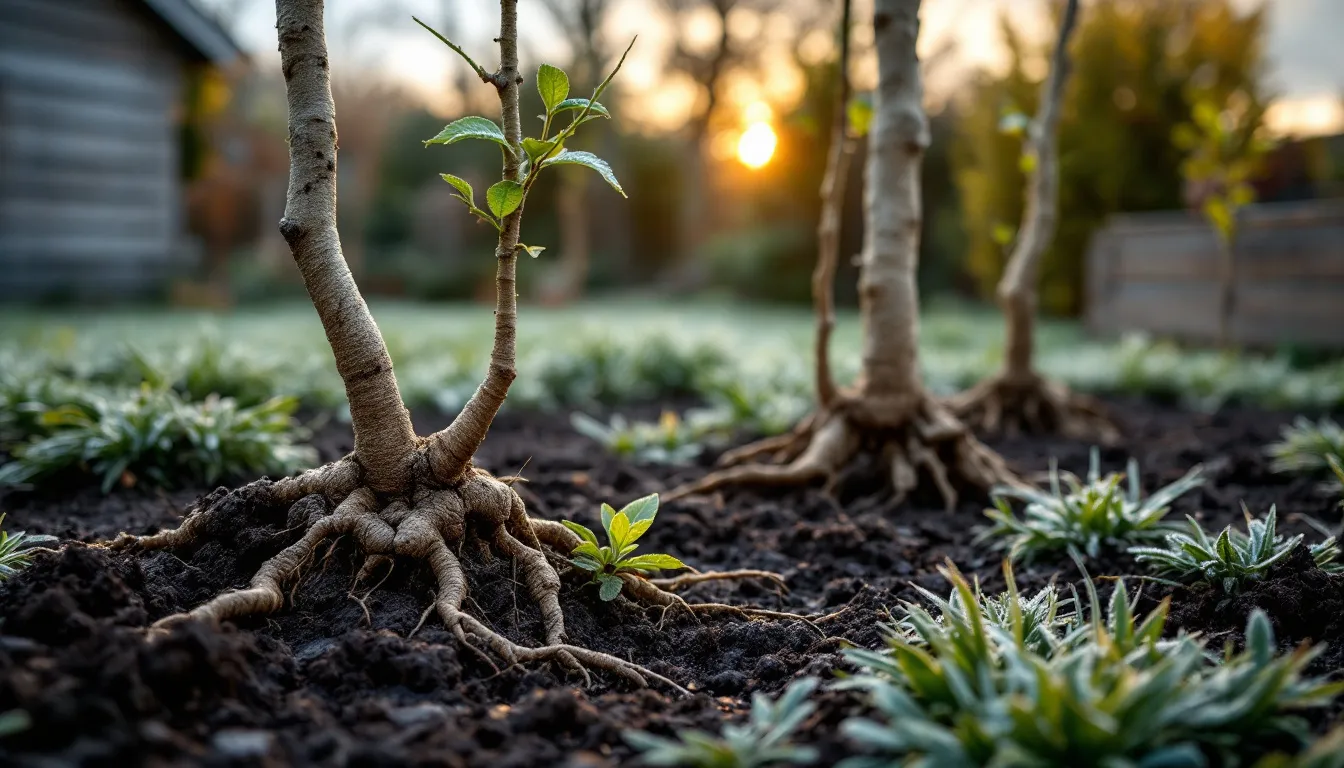
Why Bare Root Planting NZ Winter Is the Smartest Move You'll Make in the Garden 🌱
Bare root planting NZ winter is one of gardening's best-kept secrets — and if you haven't tried it yet, this is the season to start. Every June through August, nurseries and online stores across Aotearoa offer bare-root fruit trees, roses, and berry canes at their most affordable and most plantable. The plants are dormant, the soil is workable, and the conditions are just right for roots to establish quietly before the burst of spring growth arrives in September. Whether you're in sun-drenched Northland or the cooler reaches of Southland, winter bare root season is your golden window for setting up a truly productive garden.
What Are Bare Root Plants? 🌿
Bare root plants are exactly what the name suggests — trees, shrubs, and canes sold without soil around their roots. They're lifted from the ground while dormant (typically late autumn through winter), trimmed, and sold in a stripped-back state. Because they're not sitting in a pot of growing medium, they're lighter, cheaper to ship, and — crucially — they establish faster once planted. The roots get direct contact with your native soil from day one, which encourages a stronger, more expansive root system than a pot-bound plant often develops.
Common bare root plants available in NZ winter include:
Fruit trees — apples, pears, plums, cherries, peaches, nectarines, and feijoas
Roses — hybrid teas, climbers, shrub roses, and rugosas
Berry canes & runners — raspberries, boysenberries, blackcurrants, gooseberries, and strawberries
When Is Bare Root Season in New Zealand? 📅
Bare root season in Aotearoa runs roughly June through late August, aligning with the heart of winter when plants are fully dormant. Stock arrives at nurseries in mid-June and tends to sell out quickly — especially popular apple and stone-fruit varieties. The best advice? Don't wait. Shop early in the season for the widest selection, and aim to plant as soon as you can after purchase.
Regional timing guide
Northland & Auckland: Plant June–July before the mild late-winter warm-up encourages early bud break.
Waikato, Bay of Plenty & Hawke's Bay: July is the sweet spot — soil is cold enough to keep roots dormant but not waterlogged.
Wellington & Marlborough: July–August works well; cool, stable temperatures support gentle establishment.
Canterbury & Otago: Mid-July through August once the hardest frosts ease slightly. Avoid planting into frozen ground.
Southland & Fiordland: Late July to mid-August; protect newly planted stock from hard frosts with mulch.
How to Plant Bare Root Fruit Trees 🍎
Fruit trees are the centrepiece of many Kiwi backyards, and bare root season is the most cost-effective time to add them. Follow these steps for the best possible start.
1. Prepare before the plant arrives
Choose a spot with at least 6–8 hours of direct sun and good drainage. Most fruit trees will sulk in waterlogged soil. Dig a hole roughly 60 cm wide and 40–50 cm deep — wide enough to spread roots without cramping.
2. Soak the roots on arrival
If you can't plant immediately, heel the roots into a bucket of water or moist soil. Before planting, soak bare roots in a bucket of water for 1–2 hours (no longer, or you risk suffocating them) to rehydrate.
3. Amend your soil
Mix the excavated soil with well-rotted compost or aged manure. Avoid adding strong fertilisers to the planting hole — it can burn tender new roots. A handful of blood and bone or a balanced slow-release fertiliser worked into the backfill is plenty.
4. Set the graft union above soil level
This is critical. The graft union (the knobbly join near the base of the trunk) must sit 5–10 cm above the finished soil level. Planting it too deep can cause rootstock suckering or collar rot.
5. Backfill and firm
Return the amended soil in stages, firming gently as you go to eliminate air pockets. Water in deeply, then form a shallow watering dish around the base to direct future rainfall to the roots.
6. Stake and mulch
Drive a sturdy stake into the ground before backfilling to avoid root damage. Tie the trunk loosely. Apply a 5–8 cm layer of mulch (wood chips, pea straw, or bark) around the base, keeping it clear of the trunk itself to prevent rot.
Planting Bare Root Roses the Right Way 🌹
Roses planted in bare root winter establish so much more readily than summer-planted container roses — they have months of cool weather to push roots outward before they're asked to flower. Here's how to give them the best start.
Dig a hole 50 cm wide and 40 cm deep. Fork over the base to loosen the subsoil.
Create a cone of soil in the centre of the hole and drape the roots over it so they splay naturally downwards.
Position the bud union (the swollen join at the base) at or just below soil level in cooler South Island climates, or 2–3 cm above in warmer northern regions.
Backfill with compost-enriched soil, firm gently, and water thoroughly.
Prune canes back to 3–5 healthy outward-facing buds to encourage a strong framework from the start.
Mulch well to conserve moisture and suppress weeds as spring approaches.
Getting Berry Canes & Runners in the Ground 🫐
Raspberries, boysenberries, and blackcurrants are incredibly rewarding in the NZ home garden, and bare root season is the perfect time to plant them. They're forgiving, fast-growing, and will reward you generously by late spring or summer.
Raspberries & boysenberries
Plant canes 40–60 cm apart in rows, with rows spaced about 1.5–2 m apart for airflow.
Dig a shallow trench rather than individual holes — this makes it easier to keep spacing consistent.
Plant so the crown (where canes meet roots) is 2–5 cm below the soil surface.
Cut canes back to about 30 cm after planting to direct energy into root development.
Install a wire trellis system at planting time — retrofitting later damages roots.
Blackcurrants & gooseberries
Plant 1–1.5 m apart in a sunny, sheltered spot.
Set the crown 5 cm deeper than it was growing previously to encourage multi-stem bushiness.
Prune back hard to 2–3 buds per stem after planting — it feels brutal but produces a much better-shaped bush.
Common Bare Root Planting Mistakes to Avoid ⚠️
Letting roots dry out: Even 20 minutes exposed to wind can damage fine feeder roots. Keep them wrapped or in water until the moment of planting.
Planting too deep: The most common error. Graft unions and bud unions buried too deep invite disease and inhibit growth.
Over-fertilising at planting: Hold back on strong nitrogen feeds until the plant is actively growing in spring.
Skipping the stake: NZ winters can be windy. A plant rocking in the wind can't form a stable root system.
Waterlogged soil: If your soil holds water, raise your planting beds by 20–30 cm or incorporate grit and compost to improve drainage before planting.
Aftercare Through Winter & Into Spring 🌤️
Once planted, bare root stock is largely self-sufficient through winter — the dormancy period means they're not asking much of you. That said, a little ongoing attention makes a big difference:
Water occasionally if there's a dry spell, but don't overwater dormant plants.
Check stakes and ties after strong winds and re-secure if needed.
Top up mulch if it thins out or washes away.
Watch for bud break in late August–September — this is your cue to begin a balanced spring feeding programme with a fruit or rose fertiliser.
Spray fruit trees with a copper-based fungicide and horticultural oil during late winter dormancy to reduce fungal disease and overwintering pest populations.
Shop Bare Root Plants & Winter Gardening Supplies at Botanical Love 🛒
Ready to make the most of bare root season? At Botanical Love (botanicallove.co.nz) you'll find everything you need to get started — browse our range of bare root fruit trees, rose selections, and berry canes, plus all the supporting supplies to set them up for success:
Quality compost, aged manure, and soil improvers
Slow-release and specialist fruit tree fertilisers
Mulch, pea straw, and bark for winter protection
Stakes, ties, and trellis wire for training and support
Copper fungicides and horticultural sprays
Stock sells out fast once bare root season hits — bookmark the site and check back regularly so you don't miss your favourite varieties.
Frequently Asked Questions
Can I plant bare root plants if the ground is frosty?
It's best to wait until the soil has thawed enough to dig without breaking frozen clods. If a cold snap is forecast, heel the roots into moist compost in a sheltered shed until conditions improve.
How long can I store bare root plants before planting?
Ideally, plant within a day or two of purchase. If you need to wait up to a week, keep roots moist and cool — wrapped in damp hessian or heeled into a bucket of moist soil in a frost-free spot. Avoid leaving them out of the ground for more than 1–2 weeks.
Do I need two fruit trees for pollination?
Many apple and pear varieties need a compatible pollinating partner nearby to set fruit well. Check the variety descriptions carefully — some are self-fertile (many plums, peaches, and feijoas), while others need a mate. Botanical Love's product listings note pollination requirements.
My bare root plant looks completely dead — is it okay?
Almost certainly yes! Dormant bare root plants look very dead: dry, leafless, and grey. Scratch the bark gently with a fingernail — if there's a thin green layer underneath, your plant is alive and well. Be patient; many won't show signs of life until late August or September.
Can I plant bare root roses and fruit trees in containers?
Yes, though they'll need a large container — at least 40–50 litres for fruit trees and 20–30 litres for roses. Use a quality potting mix blended with compost, ensure excellent drainage, and be prepared to water and feed more frequently than in-ground plants.
— Botanical Love
Keep reading
More from the Blog
Vegetables
Garlic Care in Winter NZ: Feed, Mulch & Maximise Your Crop
Master garlic care in winter NZ with expert tips on feeding, mulching, watering & troubleshooting — so you harvest big, flavourful bulbs come summer.
Gardening Tips
What to Sow in August NZ: Winter Indoor Seed-Starting Guide
Discover what to sow in August NZ with our winter indoor seed-starting guide. Get a head-start on spring with tomatoes, peppers, herbs & more. Tips for all regions.