Gardening Tips
What to Sow in August NZ: Winter Indoor Seed-Starting Guide
4 August 2026 · 8 min read
🌱 What to Sow in August NZ: Your Head-Start on Spring Starts Now
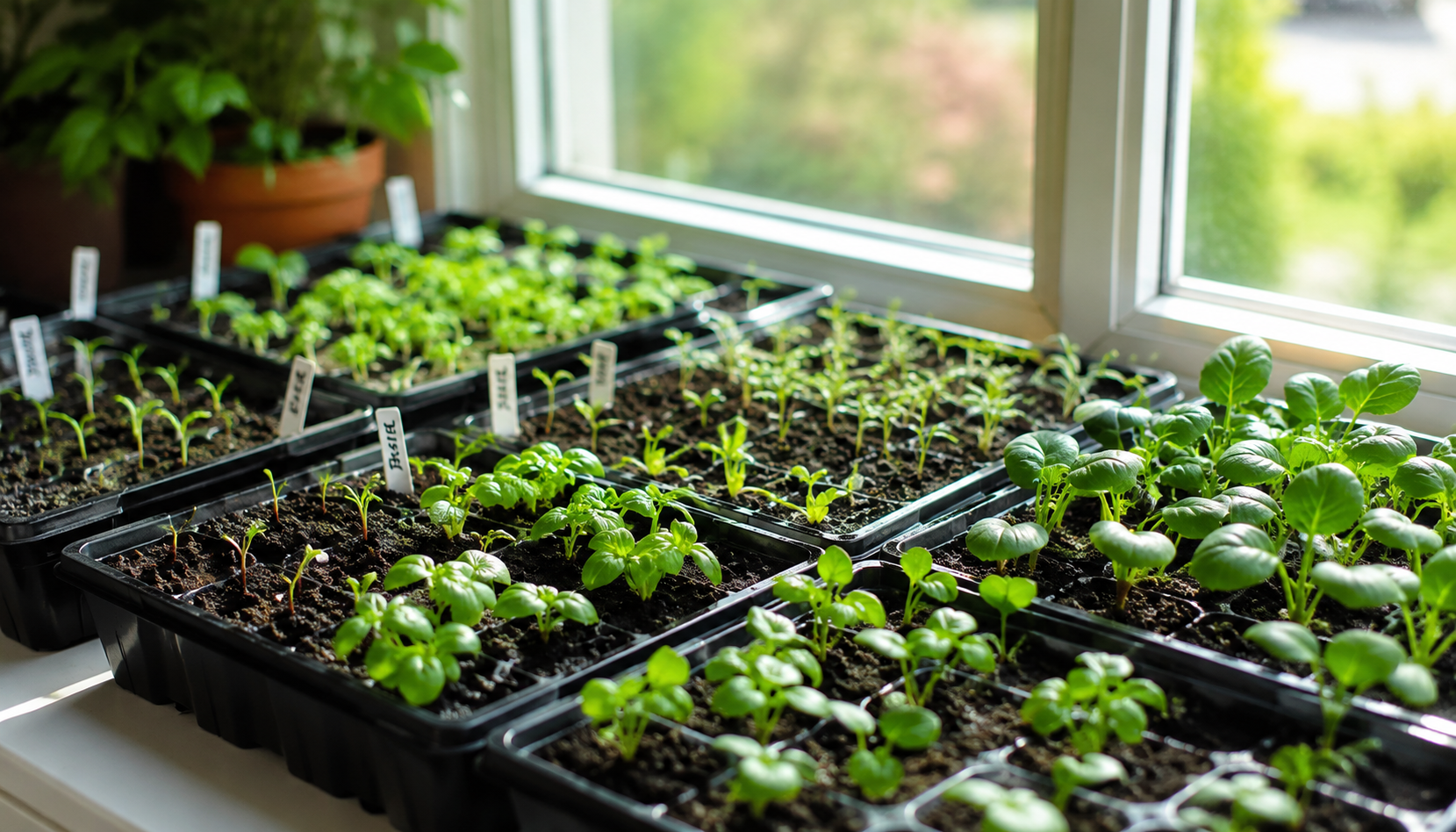
If you're wondering what to sow in August NZ, you're already thinking like a seasoned gardener. August sits right in the heart of winter — the soil outside is cold and wet, frosts are still a real risk across much of the country, and direct sowing in the garden is mostly off the cards. But here's the thing: August is one of the most exciting months on the gardening calendar, because it's prime time to get seeds started indoors. By the time September rolls around and soil temperatures begin to climb, your seedlings will be sturdy, well-rooted, and raring to go. That head-start can mean weeks of extra harvest time come summer.
In this guide we'll walk you through exactly which seeds to start indoors this August, how to set up a simple seed-raising station at home, and what to watch out for across different regions of Aotearoa — from the warm subtropics of Northland right down to the cooler climes of Southland and Otago.
🌡️ Why August Indoor Sowing Makes Sense in New Zealand
New Zealand's southern-hemisphere seasons mean our spring runs from September through November. Many of the vegetables and flowers we love — tomatoes, capsicums, chillies, eggplants, and basil — need a long growing season and genuinely warm soil (above 18–20°C) before they can go outside. Starting them indoors in August gives them a six-to-eight week head-start under controlled conditions.
The other key reason is frost. Even in relatively mild regions, late frosts can strike well into September and sometimes October in inland and southern areas. Seedlings raised indoors are safe from those cold snaps, and you get to choose exactly when to harden them off and transplant out once conditions are right.
🪴 What to Sow Indoors in August
Tomatoes
Tomatoes are the poster child of August indoor sowing in New Zealand. They need 6–8 weeks to reach transplant size, so starting them now means they'll be ready to go into the garden or greenhouse in October–November when soil temps are reliably warm. Sow seeds 5–6 mm deep in a good quality seed-raising mix, keep them somewhere warm (ideally 20–25°C), and expect germination in 7–14 days.
Good choices for NZ conditions: cherry tomatoes, heirloom beefsteaks, paste varieties
Pot on into individual 7–9 cm pots once seedlings have their first true leaves
Keep in a bright, draught-free spot — a north-facing window is ideal
Capsicums and Chillies
Capsicums and chillies are slow germinators and need warmth — typically 24–28°C for best results. August is the perfect time to get them going because they genuinely need every week they can get before summer. Use a heat mat or a warm spot like the top of a hot water cylinder to aid germination. Don't be alarmed if they take 2–3 weeks to show.
Eggplant (Aubergine)
Like their capsicum cousins, eggplants love heat and a long season. Sow now, keep warm and moist, and you'll have robust transplants by late October. They're particularly rewarding in warmer North Island gardens.
Celery and Celeriac
These are surprisingly good August starters. Celery seed is tiny and slow — it can take 2–3 weeks to germinate even in warm conditions. Sow on the surface of moist seed-raising mix and just barely cover. Celery is a great one to start early because it takes a long time to mature.
Leeks
Leeks sown in August will be ready to plant out as finger-thick seedlings in October and November, giving you a beautiful autumn and winter harvest. Sow in a tray, keep moist, and thin to about 1 cm apart. Leeks are tolerant of cooler conditions, making them easier to germinate than the heat-lovers above.
Herbs: Basil, Parsley, and Chives
Basil: Needs warmth (above 18°C) to germinate well — a heat mat helps. Basil started indoors in August will be ready for pots and garden beds by October.
Parsley: Notoriously slow to germinate (up to 3–4 weeks), so getting it started in August means you'll have useful-sized plants well before summer. Soaking seeds overnight can help speed things along.
Chives: Reliable and easy. Sow a pinch of seeds per cell and they'll germinate quickly even in cooler indoor temps.
Flowers: Snapdragons, Petunias, and Antirrhinums
Want a garden full of colour from early spring? Many annual flowers benefit from an August indoor start. Petunias, snapdragons, and antirrhinums all take time to develop before they flower and will reward your patience with earlier and more prolific blooms. Sow on the surface of seed-raising mix — they need light to germinate — and keep at around 18–20°C.
🗺️ Regional Considerations Around Aotearoa
Northland, Auckland, and Waikato
Your winters are milder, so you have a little more flexibility. You can sow tomatoes and capsicums a touch earlier than the rest of the country and may be able to move seedlings outside into a sheltered spot sooner in September. Even so, keep heat-lovers indoors until soil temps are consistently above 18°C.
Bay of Plenty, Hawke's Bay, and Nelson
Classic tomato country. August indoor sowing is spot-on for these regions. Aim to transplant seedlings outdoors in mid-to-late October once frost risk has passed.
Wellington and Taranaki
Wind is often more of a challenge than cold temperatures here. Seedlings started indoors in August will need careful hardening off — gradually introducing them to outdoor conditions over 7–10 days before transplanting.
Canterbury and Otago
Inland areas can experience frosts well into October and even early November in some years. Don't rush to transplant your August-started seedlings outside — wait until conditions are genuinely settled. A cold frame or frost cloth is worth having on hand.
Southland and Central Otago
These are the coolest regions, and frost risk lingers longest. August indoor sowing is actually more important here than anywhere else in the country — it allows you to make the most of a shorter frost-free growing window. Be patient with transplanting and protect plants well into late spring.
🧰 Setting Up a Simple Indoor Seed-Starting Station
You don't need a fancy setup to raise great seedlings. Here's what works well for most NZ home gardeners:
Choose the right mix: Use a quality seed-raising mix rather than garden soil or general potting mix. It's fine-textured, well-draining, and low in fertiliser (which can burn tender roots).
Find warmth: Most seeds germinate best at 18–25°C. A heat mat is a worthwhile investment if you're serious about starting tomatoes, capsicums, and basil. Otherwise, a warm room or sunny windowsill works well.
Ensure good light: After germination, seedlings need as much light as possible. A north-facing window is best. Rotate trays every day or two to prevent legginess. A simple grow light can make a big difference in darker homes.
Water carefully: Overwatering is the number one killer of seedlings. Water from below (sit trays in shallow water for 10–15 minutes) or use a gentle mist spray. Allow the surface to dry slightly between waterings.
Label everything: It sounds obvious, but once seedlings are tiny and green, they all look the same! Use a permanent marker on stakes or tape.
🌿 Hardening Off: Don't Skip This Step
Hardening off is the process of gradually acclimatising indoor-raised seedlings to outdoor conditions before transplanting. Skip it and you risk shocking plants with cold temperatures, wind, and direct sun — often resulting in wilting, leaf scorch, or even death of your precious seedlings.
Start hardening off about 10–14 days before you plan to transplant. Put seedlings outside in a sheltered spot for a few hours on mild days, gradually increasing their outdoor time over the following days. Bring them in if frost is forecast. By the end of the hardening-off period, they should be spending full days outside and tolerating cooler nights.
🛒 Find Your August Seed-Starting Supplies at Botanical Love
Ready to get sowing? At Botanical Love (botanicallove.co.nz) you'll find everything you need to make the most of August indoor sowing — from a handpicked range of vegetable and herb seeds including tomatoes, capsicums, chillies, and leeks, to quality seed-raising mix, seedling trays, and heat mats. Browse our Seeds and Gardening Supplies categories to stock up and get those trays filled before September sneaks up on you!
❓ Frequently Asked Questions
Can I sow tomatoes outside in August in NZ?
No — soil temperatures are too low and frost risk is too high in most parts of New Zealand in August. Tomatoes need soil temperatures above 18°C to thrive outdoors. Start them indoors now and transplant in October–November once conditions warm up.
What's the best spot indoors to germinate seeds in winter?
A warm, bright location works best — think a north-facing windowsill, the top of a refrigerator, or near a heat source. Avoid cold draughts. A heat mat set to around 22–24°C is ideal for heat-loving seeds like capsicums and basil.
How long before I can transplant August-sown seedlings outside?
Most heat-loving vegetables like tomatoes and capsicums will be ready to transplant 6–8 weeks after sowing, which puts you at October–November depending on when you started. Always wait until your local frost risk has passed and soil temperatures are above 18°C.
Do I need a grow light to start seeds indoors in winter?
Not necessarily, but it helps — especially in southern regions or homes with limited natural light. A north-facing window is sufficient for many seeds. If seedlings look leggy (tall and spindly), they're reaching for more light and a grow light would benefit them.
What if my seeds don't germinate in August?
Check temperature first — most germination failures in winter come down to the growing medium being too cold. Also check seed viability (older seeds have lower germination rates), moisture levels (mix should be moist but not waterlogged), and sowing depth. Starting fresh with quality seeds from a reputable supplier makes a big difference.
— Botanical Love
Keep reading
More from the Blog
Vegetables
Garlic Care in Winter NZ: Feed, Mulch & Maximise Your Crop
Master garlic care in winter NZ with expert tips on feeding, mulching, watering & troubleshooting — so you harvest big, flavourful bulbs come summer.
🌽 How to Grow Popcorn Sweetcorn in NZ — Full Guide
If you've ever dreamed of growing your very own popcorn sweetcorn NZ-style — from tiny seed to bowlful of fluffy, home-popped goodness — then you are absolutely in the right place! 🌽✨ Growing popcorn at home is one of the most joyful, rewarding, and surprisingly easy projects you can take on in a Kiwi vegetable garden. Whether you're in sunny Northland or working with the shorter summers of Canterbury or Southland, this guide will walk you through everything you need to know to grow a cracking crop of popcorn corn from seed to harvest. Get ready — this is going to be so much fun! 🥰