The Complete Guide to Vegetable and Herb Companion Planting for New Zealand Gardens
11 July 2026 · 5 min read
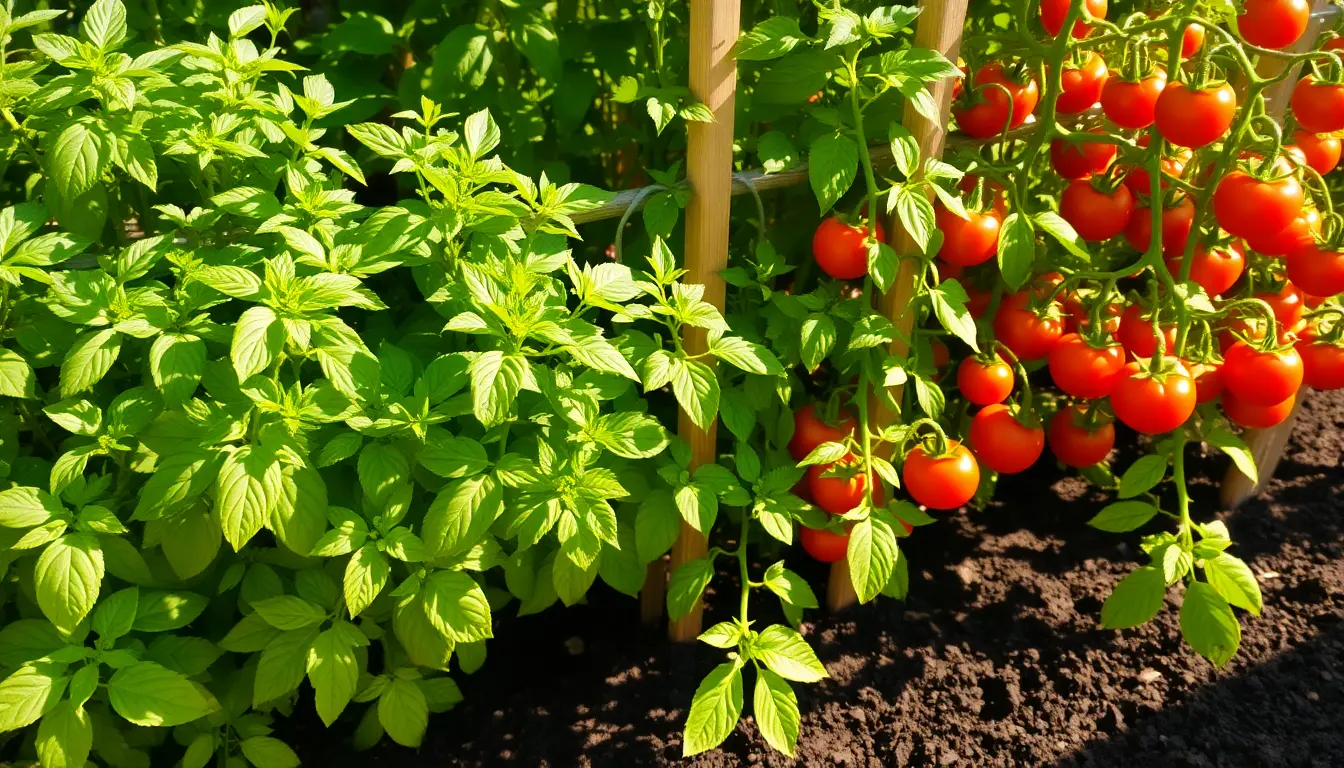
Companion planting is one of the most rewarding and effective gardening techniques you can master, especially if you're growing vegetables and herbs in your New Zealand garden. Whether you're a complete beginner or an experienced gardener looking to optimize your growing space, understanding which plants grow well together can transform your garden into a thriving, productive ecosystem. This comprehensive guide will walk you through everything you need to know about companion planting vegetables and herbs, from the scientific principles behind successful plant combinations to practical layouts for your backyard garden.
Understanding Companion Planting: The Basics What is Companion Planting?
Companion planting is the practice of growing specific plants together because they benefit one another in various ways. These plant partnerships work through a combination of chemical signals, physical interactions, and ecological relationships that have been refined over centuries of agricultural practice. When you implement companion planting in your garden, you're essentially creating a community of plants that support each other's growth, health, and productivity.
The concept isn't new—indigenous cultures and traditional farmers have used companion planting for thousands of years. However, modern gardening has brought scientific understanding to these ancient practices, allowing us to explain why certain combinations work so effectively. In New Zealand's unique climate and growing conditions, companion planting becomes even more valuable as a tool for maximizing your garden's potential.
The Science Behind Successful Plant Combinations
The effectiveness of companion planting relies on several interconnected principles. First, different plants have different root depths, which means they can access nutrients from different soil layers without competing directly with each other. A tall plant might shade a shorter companion plant, protecting it from excessive sun exposure. Some plants produce natural chemicals called allelopathic compounds that can either repel pests or enhance the growth of nearby plants.
Additionally, companion plants can attract beneficial insects that prey on garden pests, creating a natural pest control system. Certain herbs and flowers produce nectar and pollen that attract pollinators and predatory insects, which then feed on aphids, whiteflies, and other common garden pests. This creates a balanced ecosystem where pest populations remain manageable without chemical intervention.
Why Companion Planting Matters for New Zealand Gardeners
New Zealand's temperate climate, with its distinct seasons and varying rainfall patterns across different regions, makes companion planting particularly valuable. By choosing the right plant combinations, you can maximize your growing season, improve soil health, and reduce your reliance on chemical pesticides and fertilizers. This is especially important for organic gardening companion planting, which relies entirely on natural methods to maintain plant health and manage pests.
The benefits extend beyond pest control. Companion planting can improve nutrient availability, enhance flavor in herbs and vegetables, increase pollination rates, and make more efficient use of limited garden space. For New Zealand gardeners working with smaller urban gardens or raised beds, these advantages can mean the difference between a mediocre harvest and an abundant one.
The Benefits of Companion Planting Natural Pest Control Plants
One of the most compelling reasons to embrace companion planting is its effectiveness as a natural pest control system. Instead of relying on chemical pesticides, you can use specific plants that naturally repel garden pests or attract their predators. This approach is not only safer for your family and the environment but also more sustainable and cost-effective in the long run.
Marigolds companion planting benefits are particularly well-documented. These vibrant flowers produce a distinctive scent that repels many common garden pests, including aphids, mosquitoes, and even some beetle species. Planting marigolds throughout your vegetable garden creates a protective barrier that keeps destructive insects at bay while adding beautiful color to your growing space.
Growth Enhancement and Nutrient Cycling
Companion planting can significantly enhance the growth of your vegetables and herbs. Nitrogen-fixing plants like beans and peas add nitrogen to the soil, benefiting heavy feeders like tomatoes and corn. This natural nutrient cycling reduces your need for commercial fertilizers and creates a more sustainable garden ecosystem.
Some companion plants also improve soil structure and water retention. Deep-rooted plants bring up nutrients from lower soil layers, making them available to shallow-rooted companions. This creates a more balanced soil environment where all your plants can thrive.
Space Efficiency and Garden Layout Optimization
For gardeners working with limited space, companion planting offers a way to grow more food in less area. By choosing plants that don't compete for the same resources, you can create dense, productive gardens that yield abundantly. This is particularly valuable for vegetable garden layout ideas in small urban spaces or raised beds.
Classic Companion Plant Combinations Tomatoes and Basil: The Perfect Partnership
The combination of tomatoes and basil is perhaps the most famous companion planting pairing, and for good reason. This isn't just a culinary match made in heaven—it's also an excellent example of best companion plants for tomatoes and basil working together in the garden.
Basil repels many insects that commonly attack tomatoes, including whiteflies, aphids, and spider mites. The aromatic oils in basil create an environment that these pests find unpleasant, naturally protecting your tomato plants. Additionally, basil's shallow root system doesn't compete with tomatoes' deeper roots, allowing both plants to access the nutrients they need.
The relationship works both ways. Tomato plants provide some shade for basil during the hottest parts of the day, which can be beneficial in New Zealand's warmer regions. Together, these plants create a microclimate that benefits both, resulting in healthier plants and better yields. Plant basil at the base of your tomato plants, spacing them about 30 centimeters apart for optimal growth.
Carrots and Onions: Underground Allies
Carrots and onions companion planting is an excellent example of plants that work together without direct competition. These two vegetables occupy different ecological niches in your garden, making them ideal companions. Carrots have long taproots that extend deep into the soil, while onions have shallow, fibrous root systems that spread horizontally near the surface.
This difference in root structure means they're not competing for the same nutrients and water. Additionally, onions' pungent smell helps repel carrot flies, one of the most common pests affecting carrots in New Zealand gardens. The strong odor masks the scent of the carrots, making it harder for these flies to locate their preferred host plants.
When planting carrots and onions together, sow carrot seeds in rows and plant onion sets or seedlings between the rows. This arrangement maximizes your garden space while providing mutual pest protection. The combination works particularly well in raised beds, where space is at a premium.
Beans and Corn: The Three Sisters Legacy
Beans and corn companion planting is rooted in ancient agricultural wisdom, part of the traditional "Three Sisters" planting method used by indigenous cultures for centuries. This combination demonstrates companion planting for beginners because it's so effective and easy to understand.
Corn provides a natural trellis for climbing beans, eliminating the need for additional support structures. In return, beans fix nitrogen from the atmosphere and deposit it in the soil, enriching it for the corn's benefit. The third sister in this traditional combination is squash, which spreads along the ground, shading the soil and suppressing weeds while its prickly leaves deter pests.
To implement this combination in your New Zealand garden, plant corn first and allow it to grow to about 30 centimeters tall. Then plant beans around the corn stalks, spacing them about 15 centimeters away. If you're adding squash, plant it after the beans are established. This layered approach creates a productive, efficient garden system that maximizes your growing space.
Cucumbers and Dill: Aromatic Protection
Cucumbers and dill companion planting is an excellent choice for New Zealand gardeners looking to grow fresh produce with natural pest protection. Dill's delicate, feathery foliage and aromatic properties make it an ideal companion for cucumbers, which are susceptible to various pests and diseases.
Dill attracts beneficial insects, particularly parasitic wasps that prey on cucumber pests. The herb also repels spider mites and other common cucumber afflictions. Additionally, dill's shallow root system doesn't compete with cucumbers' spreading vines, allowing both plants to flourish together.
Plant dill seeds directly in the soil near your cucumber plants, or start them in containers and transplant them once established. The dill will bloom and attract pollinators, which will improve cucumber flower pollination and fruit set. This combination works beautifully in garden plant combinations for both ground-level gardens and vertical growing systems.
Lettuce and Chives: A Leafy Duo
Lettuce and chives companion planting creates a productive combination that works particularly well in New Zealand's cooler months. Chives' upright growth habit contrasts nicely with lettuce's spreading foliage, and they occupy different vertical spaces in your garden.
Chives repel aphids and other soft-bodied insects that commonly attack lettuce. The onion-family scent of chives masks the smell of lettuce, making it harder for pests to locate their preferred host plants. Additionally, chives' delicate flowers attract pollinators and beneficial insects that help maintain garden balance.
This combination is ideal for raised beds and container gardens, where space efficiency is important. Plant chives around the perimeter of your lettuce bed, or intersperse them throughout. Both plants prefer similar growing conditions—cool temperatures and consistent moisture—making them natural companions for spring and autumn gardening in New Zealand.
Peppers and Companion Herbs
Peppers companion planting guide should include several beneficial herbs that enhance pepper growth and protect against pests. Basil is an excellent choice for peppers, just as it is for tomatoes, offering similar pest-repelling benefits. Oregano and marjoram also work well with peppers, creating a Mediterranean herb garden aesthetic while providing practical benefits.
These herbs improve air circulation around pepper plants, reducing the risk of fungal diseases. They also attract pollinators, which is essential for pepper flower pollination and fruit development. Plant these herbs around your pepper plants, spacing them about 45 centimeters apart to allow for mature growth.
Potatoes Companion Planting Tips
Potatoes companion planting tips should focus on plants that don't compete for nutrients and help protect against common potato pests. Beans are excellent companions for potatoes, as they fix nitrogen that potatoes can use. Corn also works well, providing structural support and shade.
Avoid planting potatoes near tomatoes, peppers, or eggplants, as they're all susceptible to similar diseases. Instead, focus on combinations with beans, corn, and certain herbs like thyme and oregano. These combinations create a healthy growing environment that supports robust potato development.
Zucchini Companions
Zucchini companion plants should include those that don't compete for space while providing pest protection and pollinator attraction. Nasturtiums are excellent zucchini companions, as they attract aphids away from the zucchini plants while also attracting pollinators. Marigolds provide similar benefits, repelling pests while adding color to your garden.
Herbs like dill and cilantro also work well with zucchini, attracting beneficial insects and creating a diverse garden ecosystem. Plant these companions around your zucchini plants, keeping in mind that zucchini vines spread considerably, so give them adequate space.
Garlic Companion Planting Vegetables
Garlic companion planting vegetables should include those that benefit from garlic's natural pest-repelling properties. Garlic is particularly effective at repelling aphids, spider mites, and other common garden pests. Plant garlic near vegetables that are susceptible to these pests, such as roses, tomatoes, and peppers.
Garlic also works well with brassicas like cabbage and broccoli, protecting them from cabbage moths and other cruciferous pests. The sulfur compounds in garlic create an environment that many pests find inhospitable, making it one of the most valuable companion plants in any garden.
Herbs as Pest Control Plants Marigolds: Nature's Pest Deterrent
Marigolds companion planting benefits extend far beyond their beautiful appearance. These flowers are among the most effective natural pest control plants available to gardeners. The distinctive scent of marigolds comes from compounds that repel a wide range of insects, including aphids, mosquitoes, beetles, and even some nematodes in the soil.
Plant marigolds throughout your vegetable garden, particularly around plants susceptible to pest damage. They're especially valuable near tomatoes, beans, and squash. Marigolds also attract pollinators and beneficial insects, creating a balanced garden ecosystem. In New Zealand gardens, marigolds thrive in full sun and well-draining soil, making them an easy addition to any garden layout.
Natural Pest Repellent Herbs
Beyond basil and dill, several other herbs offer excellent pest-repelling properties. Rosemary repels cabbage moths, bean beetles, and carrot flies. Thyme deters cabbage moths and whiteflies. Sage repels cabbage moths and bean beetles. Oregano and marjoram attract beneficial insects while repelling various pests.
These herbs create a multi-layered pest defense system when planted strategically throughout your garden. They also provide culinary and medicinal benefits, making them valuable additions to any vegetable garden. Plant them in clusters or scattered throughout your beds, depending on your garden layout preferences.
How to Stop Aphids Naturally in Vegetable Garden
Aphids are among the most common garden pests in New Zealand, but companion planting offers effective natural solutions. Plant garlic, chives, and onions near susceptible plants to repel aphids. Marigolds and nasturtiums attract aphids away from your vegetables while also attracting predatory insects that feed on them.
Herbs like cilantro, dill, and fennel attract parasitic wasps and hoverflies, which are voracious aphid predators. By creating a diverse garden ecosystem with these companion plants, you establish a natural balance where aphid populations remain manageable without chemical intervention.
Plants That Repel Garden Pests Naturally
Creating a comprehensive pest management strategy through companion planting involves understanding which plants repel which pests. Nasturtiums repel aphids, whiteflies, and squash bugs. Borage attracts pollinators and repels tomato hornworms. Calendula attracts beneficial insects while repelling various pests.
Lavender repels moths, fleas, and other insects while attracting pollinators. Mint repels cabbage moths, ants, and other pests, though it should be contained as it spreads aggressively. Tansy repels flies, moths, and beetles. By combining these plants strategically, you create a garden environment where pests struggle to establish themselves.
Plants to Keep Apart: Bad Companion Plants List Which Vegetables Shouldn't Be Planted Together
Understanding which vegetables should not be planted together is just as important as knowing which ones work well together. Some plant combinations actively inhibit each other's growth or create conditions favorable to pests and diseases.
Tomatoes should not be planted near brassicas like cabbage, broccoli, or cauliflower, as they compete for similar nutrients and are susceptible to similar diseases. Potatoes should be kept away from tomatoes, peppers, and eggplants for the same reason. Fennel is allelopathic and inhibits the growth of most vegetables, so it should be planted away from your main vegetable beds.
Onions and garlic should not be planted near beans or peas, as they inhibit nitrogen fixation in these legumes. Carrots should be kept away from dill and fennel, which can cross-pollinate and produce inferior seeds. Cucumbers should not be planted near aromatic herbs like sage and rosemary, which can inhibit their growth.
Common Mistakes to Avoid
One of the most common mistakes in companion planting is overcrowding. While companion planting allows for more efficient space use, plants still need adequate room to grow. Overcrowding leads to poor air circulation, increased disease pressure, and competition for nutrients and water.
Another mistake is planting incompatible combinations without understanding the reasoning. Just because two plants can grow near each other doesn't mean they should. Always consider the specific benefits and potential conflicts before planting combinations.
Failing to rotate crops is another significant error. Even with excellent companion planting, rotating your crops annually helps prevent soil depletion and disease buildup. Plan your garden layout with crop rotation in mind, moving plant families to different beds each year.
Companion Planting for Small Spaces Companion Planting Charts for Small Gardens
For gardeners working with limited space, companion planting charts provide invaluable guidance for maximizing productivity. A well-designed companion planting chart for small gardens shows which plants can be grown together in close proximity without competition or conflict.
Create a chart specific to your garden's conditions and your preferred vegetables and herbs. Include information about plant spacing, mature size, root depth, and specific companion benefits. This visual reference makes it easy to plan your garden layout and ensure you're making the most of your available space.
Raised Bed Layouts and Companion Planting
Raised beds are ideal for implementing companion planting strategies in small spaces. The contained environment allows for precise plant spacing and easier management of plant combinations. How to use companion planting in raised beds involves careful planning and understanding the specific needs of each plant.
For a typical 1.2-meter by 2.4-meter raised bed, you might plant tomatoes at one end with basil at their base.
— Botanical Love
Keep reading
More from the Blog
Zucchini Chutney & Relish: Make Your Own NZ Garden 🌱✨
🌱 From Garden Glut to Gorgeous Jars — Zucchini Chutney Relish NZ Style If you've ever grown zucchinis in a New Zealand summer, you know the joy — and the mild panic — of watching your plants produce way more than you bargained for! 🥰 That's exactly why learning to make your own zucchini chutney relish NZ style is such a game-changer. Instead of giving away bags of courgettes to every neighbour on the street, you can transform that beautiful bumper harvest into jars of golden, flavour-packed chutney and relish that you'll treasure all year long. ✨ Imagine opening your pantry in the middle of winter and pulling out a jar of summer sunshine you made with your own hands — how amazing is that?!
🌿 Grow & Process Your Own Sugar Cane into Sugar in NZ!
If you've ever dreamed of producing your very own sweetener straight from the garden, learning to grow sugar cane NZ-style is one of the most exciting and rewarding projects you can take on! 🌱 Sugar cane (Saccharum officinarum) is a magnificent, towering tropical grass that thrives surprisingly well in the warmer corners of Aotearoa — and the best part is, it's far more achievable than most Kiwi gardeners realise. Imagine walking out to your backyard, harvesting a bundle of golden canes, and squeezing fresh juice to make your very own raw sugar or golden syrup. How amazing is that?! This guide walks you through absolutely everything — from choosing the right variety and finding the perfect spot, all the way through to processing your harvest into real, homemade sweetness. ✨