🌿 How to Grow Passionfruit in NZ — Your Complete Guide
11 July 2026 · 5 min read
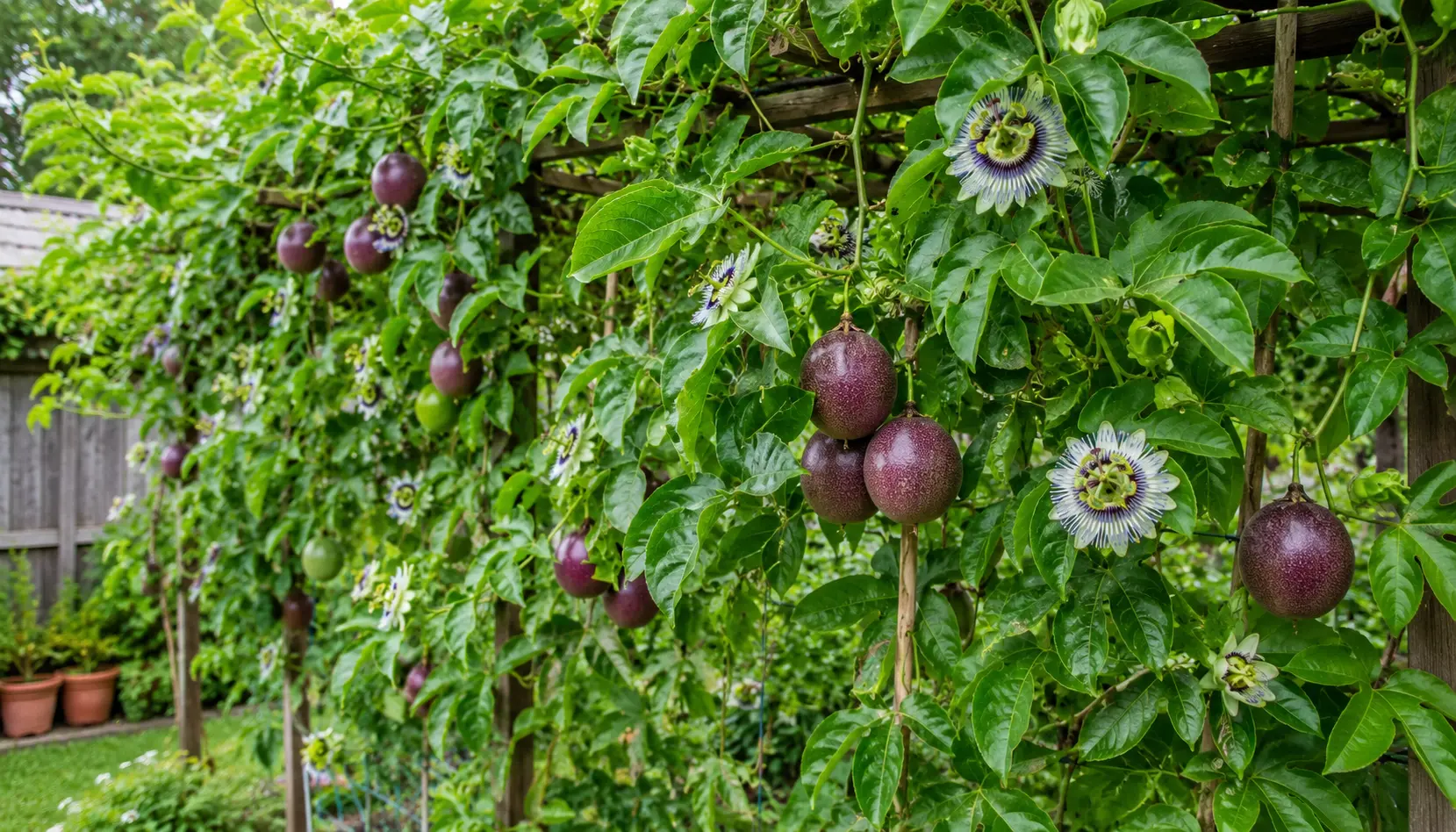
🌿 Why Every Kiwi Garden Deserves a Passionfruit Vine
If you've ever bitten into a ripe, home-grown passionfruit and let that sweet-tart flavour wash over you, you'll know exactly why learning how to grow passionfruit in NZ is one of the best gardening decisions you can make! 🌟 These gorgeous, vigorous vines are surprisingly easy to grow across much of Aotearoa, reward you with armfuls of fragrant fruit, and look absolutely stunning climbing over a fence, pergola, or trellis. Whether you're in sunny Northland or the cooler reaches of Canterbury, there's a passionfruit approach that works for you — and this guide is going to show you every glorious step. Let's get growing! 🌱
🌏 Best Climate for Passionfruit NZ — Where Will It Thrive?
Passionfruit (Passiflora edulis) is a tropical to subtropical vine that absolutely loves warmth, sunshine, and shelter from heavy frost. In New Zealand, that means the best climate for passionfruit spans Northland, Auckland, the Waikato, Bay of Plenty, Gisborne, Hawke's Bay, Nelson, and Marlborough. 🌈 These regions offer the long, warm summers and mild winters that passionfruit vines dream about!
If you're gardening in Wellington, Christchurch, or Southland — don't despair! 💚 You can still grow passionfruit successfully by choosing a warm, north-facing microclimate, growing against a sun-soaking brick or concrete wall, or by experimenting with passionfruit in pots NZ-style so you can shelter them over winter. Frosts below -2 °C will damage or kill a vine, so protection is key in cooler spots.
🌱 Best Passionfruit Varieties NZ Gardeners Love
Choosing the right variety makes all the difference — and there are some real stars suited to our conditions! Here are the top picks: ✨
Nellie Kelly (Purple Passionfruit): The classic Kiwi favourite. It's grafted onto a more cold-tolerant rootstock, making it the go-to for gardeners in cooler regions. Rich purple skin, intensely flavoured pulp. Panama Red & Panama Gold: Larger fruit with excellent flavour, well suited to warmer North Island gardens. Panama Gold is particularly stunning with its golden-yellow skin. Black Passionfruit (P. edulis): The standard species, vigorous and prolific in warm climates. Perfect for Northland and Auckland home gardens. Banana Passionfruit (P. tripartita): A hardy option for cooler regions, though note it is considered invasive in some NZ areas — always check your local council guidelines before planting.
How amazing is this variety of choice? 🥰 Whether you want a bumper crop in Hawke's Bay or a pot-grown vine on your Wellington balcony, there's a perfect match for you.
☀️ When to Plant Passionfruit NZ — Timing Is Everything
The best time to plant passionfruit in New Zealand is spring to early summer (September through December), once the soil temperature has climbed above 15 °C and the risk of frost has passed. 🌷 This gives your vine the full warmth of summer to establish strong roots and get climbing before the cooler months arrive.
If you're growing passionfruit from seed in NZ, sow seeds indoors in August–September in a warm spot (a sunny windowsill works beautifully). Seeds can take 2–4 weeks to germinate — patience is part of the joy! 🌱 Transplant seedlings outside once they have a few true leaves and the frosts are well behind you.
🪴 Planting Your Passionfruit Vine — Step by Step
Setting your vine up for success starts with great preparation. Follow these steps and you'll be rewarded handsomely! 💚
Choose your spot: Full sun is non-negotiable — aim for at least 6–8 hours of direct sunlight daily. A north or northwest-facing wall or fence is ideal. Prepare the soil: Passionfruit loves free-draining, slightly acidic soil (pH 6.0–6.5). Dig in plenty of compost before planting to boost fertility and drainage. Install your structure: Before you plant, sort your passionfruit trellis. A strong wire-and-post trellis, pergola, or sturdy fence works brilliantly. Vines can reach 5–10 m, so make sure it's robust! Plant at the right depth: Plant at the same depth as the nursery pot, firming the soil gently around the base. Water in well. Mulch generously: A 5–7 cm layer of organic mulch around the base keeps moisture in and keeps roots cool — just keep it away from the stem itself. 💧 Passionfruit Vine Care NZ — Feeding, Watering & More
Once your vine is in the ground, consistent care is what unlocks those big, beautiful harvests! 🌻 Here's what your passionfruit needs:
Watering
Passionfruit vines love consistent moisture, especially during flowering and fruiting. Aim to water deeply 2–3 times a week in dry summer spells, letting the top few centimetres dry out slightly between waterings. In Auckland's humid summers, you may need less; in dry Hawke's Bay summers, a bit more. 🌈
Passionfruit Fertiliser NZ Tips
Feeding your vine is one of the most important things you can do! Use a balanced fertiliser in spring to encourage leafy growth, then switch to a low-nitrogen, high-potassium fertiliser once flowering begins — this pushes energy into fruit rather than foliage. ✨ A top-dress of compost in autumn is also a wonderful boost. Avoid over-feeding with nitrogen or you'll get a gorgeous vine with very little fruit — a classic mistake beginners make!
Passionfruit Pruning Tips NZ
Don't be afraid to prune — passionfruit actually fruits best on new growth! 🌿 The best time for passionfruit pruning in NZ is late winter to early spring (August–September). Cut back old, woody stems by about a third to encourage fresh, vigorous shoots. Remove any dead or crossing branches to improve airflow and reduce disease risk. A well-pruned vine is a happy, productive vine!
🐝 Pollination — The Secret to a Bumper Crop
Passionfruit flowers are large, exotic, and absolutely breathtaking — and they rely on bees and other insects for pollination. 🐝 To help things along, plant bee-friendly companion flowers nearby (lavender, borage, and phacelia are wonderful choices). If fruiting is slow, you can also hand-pollinate by gently transferring pollen between flowers with a small paintbrush. How fun is that?!
🌶️ Passionfruit Pests and Diseases NZ — What to Watch For
Good news: passionfruit is generally quite robust! But there are a few things to keep an eye on in the NZ garden: 🌱
Passionfruit woodiness virus: Causes lumpy, thick-skinned fruit with little pulp. It's spread by aphids — keep aphid populations in check with a neem oil spray or insecticidal soap. Phytophthora root rot: Caused by waterlogged soil. Plant in well-draining ground and avoid overwatering. Scale insects & mealybugs: Check stems and leaves regularly. Treat with horticultural oil if spotted. Leaf curl or yellowing: Often a sign of nutrient deficiency (usually nitrogen or magnesium) — a well-balanced feeding programme prevents this. 🤔 Passionfruit Not Fruiting NZ — Common Reasons & Fixes
If your vine is lush and leafy but not producing fruit, you're not alone — this is one of the most common questions Kiwi gardeners ask! Here's what might be going on: 💚
Too much nitrogen: Swap to a potassium-rich fertiliser to redirect energy to flowers and fruit. Poor pollination: Encourage bees or try hand-pollination as described above. Not enough sun: Relocate if possible, or prune surrounding plants to let more light through. Vine is too young: Wondering how long does passionfruit take to fruit? Most vines take 12–18 months from planting to produce their first fruits — so patience pays off! 🌟 Cool temperatures: In marginal climates, a cold spring can delay flowering significantly. 🥰 Growing Passionfruit in a Pot NZ — Yes, You Can!
Living in a cooler region or have a small space? Growing passionfruit in pots in NZ is a brilliant solution! 🪴 Choose a large container (at least 40–50 cm diameter), use a premium potting mix blended with compost, and ensure excellent drainage. Position your pot in the warmest, sunniest spot available — a warm patio wall is perfect. Container-grown vines will need more frequent watering and fertilising than in-ground plants, so check in on them regularly. The best part? You can move them undercover if a nasty frost is forecast!
In the broader context of building a tropical fruit garden in NZ, passionfruit pairs beautifully alongside feijoas, tamarillos, and citrus — creating a lush, productive little paradise in your own backyard. 🌈
✨ Shop the Range at Botanical Love
Ready to start your passionfruit adventure? 🌱 At Botanical Love, we stock a wonderful range of seeds, fruit plant starts, and garden supplies to help you grow an incredible harvest. Whether you're looking to buy passionfruit seeds in NZ, find the right fertiliser, or grab quality trellis accessories, we've got you covered. Browse our Fruit & Vegetable Seeds, Edible Plants, and Garden Supplies categories at botanicallove.co.nz — your next favourite plant is waiting for you! 💚
🌻 Frequently Asked Questions When is the best time to plant passionfruit in NZ?
The best time to plant passionfruit in NZ is spring to early summer — from September through to December. This ensures the vine is planted into warm soil and has a full growing season to establish before winter arrives.
How long does passionfruit take to fruit in NZ?
Most passionfruit vines will begin fruiting within 12–18 months of planting. Vines grown from seed may take slightly longer than those planted from grafted nursery stock. Consistency with feeding, watering, and sun exposure speeds things up beautifully!
Can I grow passionfruit in a cooler NZ region like Christchurch?
Yes! Choose a frost-hardy variety like Nellie Kelly, plant against a warm north-facing wall, and protect young plants from hard frosts with fleece or a cloche. Growing in a pot that you can move indoors over winter is also a great option for cooler climates.
Why are my passionfruit flowers dropping without setting fruit?
Flower drop is usually caused by poor pollination, extreme heat stress, inconsistent watering, or low potassium levels. Try hand-pollinating flowers, ensure deep, consistent watering during flowering, and feed with a potassium-rich fertiliser to encourage fruit set.
How do I know when my passionfruit is ready to harvest?
Passionfruit is ready to harvest when the skin turns deep purple (or gold, depending on variety) and the fruit falls naturally from the vine. Don't panic if the skin looks a little wrinkled — that's actually a sign of peak ripeness and maximum sweetness! 😄
How often should I fertilise my passionfruit vine?
Feed your vine every 6–8 weeks during the growing season (spring through autumn). Use a balanced fertiliser in early spring, then switch to a low-nitrogen, high-potassium blend once flowering begins. A generous compost top-dress in late autumn is a wonderful annual treat for your vine. 🌿
— Botanical Love
Keep reading
More from the Blog
Zucchini Chutney & Relish: Make Your Own NZ Garden 🌱✨
🌱 From Garden Glut to Gorgeous Jars — Zucchini Chutney Relish NZ Style If you've ever grown zucchinis in a New Zealand summer, you know the joy — and the mild panic — of watching your plants produce way more than you bargained for! 🥰 That's exactly why learning to make your own zucchini chutney relish NZ style is such a game-changer. Instead of giving away bags of courgettes to every neighbour on the street, you can transform that beautiful bumper harvest into jars of golden, flavour-packed chutney and relish that you'll treasure all year long. ✨ Imagine opening your pantry in the middle of winter and pulling out a jar of summer sunshine you made with your own hands — how amazing is that?!
🌿 Grow & Process Your Own Sugar Cane into Sugar in NZ!
If you've ever dreamed of producing your very own sweetener straight from the garden, learning to grow sugar cane NZ-style is one of the most exciting and rewarding projects you can take on! 🌱 Sugar cane (Saccharum officinarum) is a magnificent, towering tropical grass that thrives surprisingly well in the warmer corners of Aotearoa — and the best part is, it's far more achievable than most Kiwi gardeners realise. Imagine walking out to your backyard, harvesting a bundle of golden canes, and squeezing fresh juice to make your very own raw sugar or golden syrup. How amazing is that?! This guide walks you through absolutely everything — from choosing the right variety and finding the perfect spot, all the way through to processing your harvest into real, homemade sweetness. ✨