🌿 How to Grow Kiwifruit from Seed in NZ — Full Guide
11 July 2026 · 5 min read
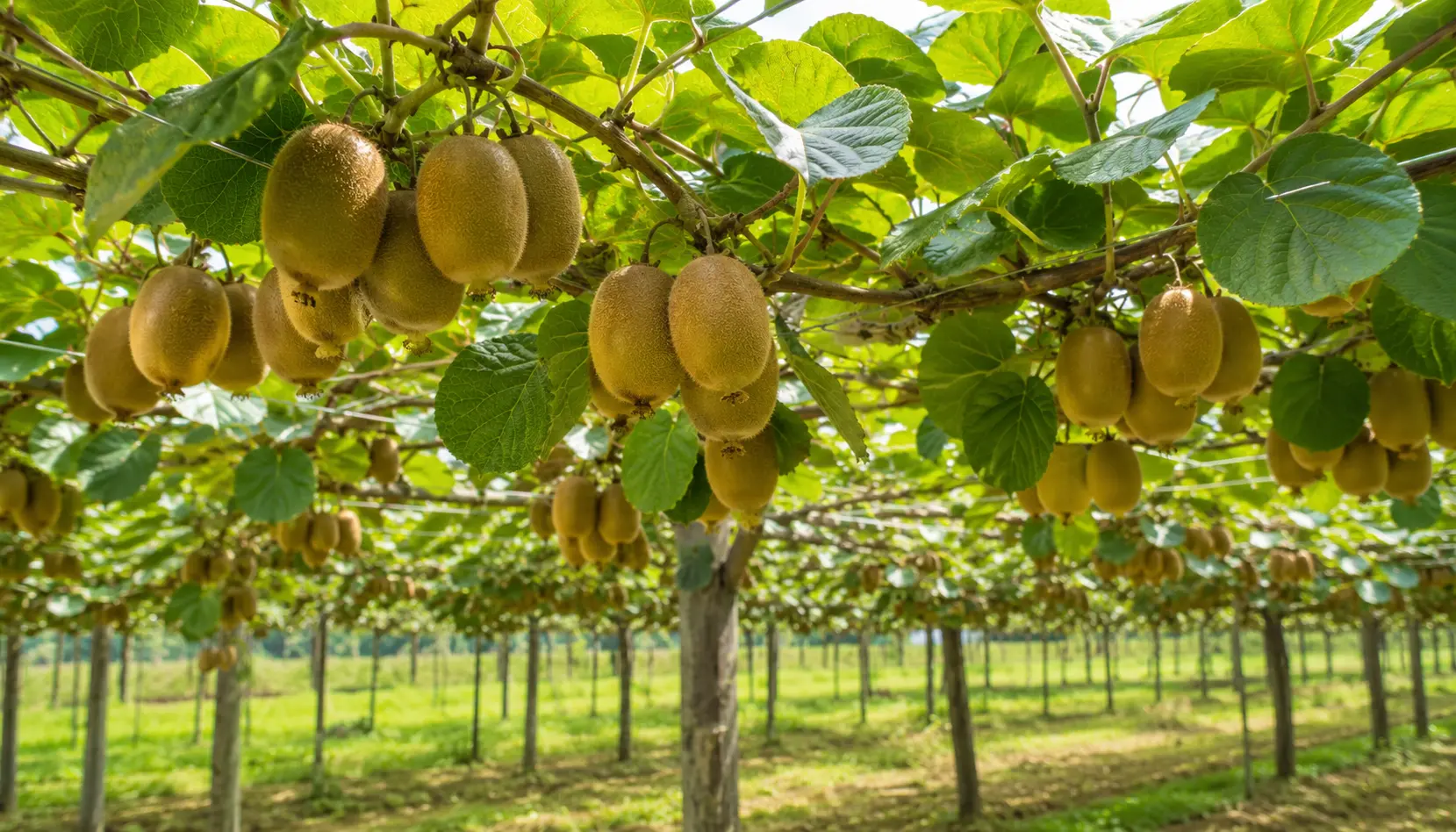
🌿 Why You Should Grow Kiwifruit from Seed
If you've ever dreamed of harvesting your very own juicy kiwifruits straight from a vine in your backyard, you are going to love this guide! Learning to grow kiwifruit from seed is one of the most rewarding gardening adventures you can take on in Aotearoa New Zealand — and the best part is, it's far more achievable than most people think. 🌱 Whether you're in sun-drenched Northland or the cooler climes of Southland, there's a kiwifruit approach that'll work for your garden. Let's dig in!
Kiwifruit (Actinidia deliciosa and its relatives) are native to China but have absolutely found a second home here in New Zealand, where our climate is genuinely ideal for growing them. 💚 Growing from seed is a slower journey than buying a grafted plant, but imagine watching that tiny seedling become a magnificent, fruit-laden vine — that sense of pride is absolutely priceless!
🌱 Understanding Kiwifruit Seeds NZ Gardeners Can Use
You can harvest seeds from a store-bought kiwifruit or a friend's garden — it's that simple! ✨ When choosing your fruit, look for a fully ripe, organic kiwifruit if possible, as these seeds haven't been treated with growth inhibitors. New Zealand gardeners are lucky to have access to excellent quality fruit year-round, making it easy to get started at almost any time.
There are a few varieties worth knowing about when it comes to kiwifruit seeds NZ gardeners favour:
Hayward (Actinidia deliciosa): The classic large, fuzzy green kiwifruit. Needs a long, warm growing season — perfect for Northland, Auckland, Waikato, and the Bay of Plenty. 🌞 Hardy Kiwi (Actinidia arguta): Smaller, smooth-skinned, and significantly more cold-tolerant. A brilliant choice for Canterbury, Otago, and Southland gardeners. 🌿 Yellow Kiwifruit (Actinidia chinensis 'Hort16A' types): Sweeter flesh, a bit more heat-loving, ideal for the warmer North Island regions.
If you'd like to explore quality seeds and seed-raising supplies, browse our fruit seed range at Botanical Love — we stock a wonderful selection perfect for the NZ garden. 🥰
🌼 How to Germinate Kiwifruit Seeds Step by Step
This is where the magic begins! Learning how to germinate kiwifruit seeds properly is the single most important step in your journey, and we're going to make it super easy for you.
Extract the seeds: Scoop out the inside of a ripe kiwifruit and place the pulp in a fine sieve. Rinse under cool water, gently rubbing the seeds free of gel. Pat them dry on a paper towel. 🌱 Cold stratification: Kiwifruit seeds benefit from a cold stratification period to break dormancy. Wrap your clean, dry seeds in a slightly damp paper towel, place them in a small zip-lock bag, and pop them in the fridge (around 4–5°C) for 4 weeks. This mimics a NZ winter and tells those seeds it's time to wake up! ✨ Sowing: After stratification, sow seeds about 5mm deep in a quality seed-raising mix in small pots or trays. Keep the mix moist but never waterlogged. Warmth is key: Place your pots somewhere warm — a heat mat or a sunny windowsill works beautifully. Aim for a soil temperature of around 20–25°C. Germination typically takes 2–4 weeks. 🌈 First light: Once seedlings emerge, move them into bright, indirect light. Direct harsh sun can scorch those tender baby leaves!
How amazing is this process? Every single one of those tiny seeds holds a potential vine that could one day produce hundreds of kiwifruits. 🌻
🪴 Kiwifruit Seedling Care — Growing Strong Young Plants
Once your seeds have germinated, the real fun of kiwifruit seedling care begins! 🌿 Your seedlings will need a little TLC to get them strong enough for the garden.
Potting On
When your seedlings reach about 10cm tall and have their second set of true leaves, it's time to pot them on into a larger container — at least a 15cm pot filled with a good-quality potting mix enriched with compost. They'll love the extra room to stretch out! 💚
Watering and Feeding
Keep the soil consistently moist during the growing season (spring through autumn). A balanced liquid fertiliser every 2–3 weeks during the growing months will keep your seedlings thriving. Avoid over-fertilising with nitrogen as this can promote leafy growth at the expense of fruit later on.
Hardening Off
Before transplanting outdoors, spend 1–2 weeks gradually introducing your seedlings to outdoor conditions — this is called hardening off. Start with an hour or two outside in a sheltered spot and work up from there. Your plants will thank you! 😊
☀️ When to Plant Kiwifruit NZ — Timing Your Planting
Knowing when to plant kiwifruit NZ-wide is key to giving your vines the best possible start. 🌸 In New Zealand's Southern Hemisphere calendar:
Start seeds indoors: Late winter (July–August) is the ideal time to begin the stratification and seed-raising process. Transplant outdoors: After the last frost has passed — typically September to October in most of New Zealand. In Northland and Auckland, you can push this a little earlier; in the South Island, wait until October or even early November. Avoid frost: Young kiwifruit plants are vulnerable to frost. If you're in a frost-prone area like Central Otago or inland Canterbury, protect seedlings with frost cloth until they're well established. 🌻 Building a Kiwifruit Trellis NZ Backyards Will Love
Kiwifruit are vigorous, enthusiastic climbers — a kiwifruit trellis NZ style that's sturdy and well-designed is absolutely essential! 🏡 A classic T-bar trellis works brilliantly: two posts about 1.8–2m tall with a crossbar, and wires strung between them for the vine to climb along. Space your posts about 4–5m apart for a single vine.
Alternatively, a robust fence, pergola, or archway can double as a gorgeous living structure draped in lush kiwifruit leaves. Imagine sipping your morning tea under a canopy of kiwifruit — absolutely dreamy! ☕✨
🐝 Pollinating Kiwifruit NZ — The Secret to Fruit Set
Here's something super important that catches many new growers off guard: pollinating kiwifruit NZ gardens really does require a little planning. Kiwifruit are dioecious, meaning you need both a male and a female plant to get fruit. 🌸
When growing from seed, plants will be a mix of male and female — you won't know which is which until they flower (which can take 3–5 years). One male plant can pollinate up to 8 female plants. Bees and other pollinators do most of the work naturally — planting pollinator-friendly flowers nearby is a wonderful idea. 🐝 In very sheltered gardens, hand-pollination using a soft paintbrush works a treat. ✂️ Kiwifruit Pruning Tips for a Healthy Vine
Regular pruning is one of the most important things you can do for a productive vine, and these kiwifruit pruning tips will set you up for success! 🌿 Prune during winter dormancy (June–July in NZ) to shape the vine and remove old, unproductive canes. Keep the main trunk and a few strong lateral arms, removing anything that's crossing, dead, or overcrowded. Summer pruning (removing excess growth in December–January) helps sunlight reach developing fruit. It might feel a little harsh at first, but trust us — your vine will absolutely reward you for it! 💪
🪴 Can You Grow Kiwifruit in Pots in NZ?
Yes — kiwifruit in pots NZ is absolutely possible, especially with the more compact hardy kiwi varieties! 🌿 Choose a large container of at least 40–50 litres, use a premium potting mix, and provide a sturdy stake or trellis for support. Container-grown kiwifruit will need more frequent watering and feeding than those in the ground, and may need repotting every couple of years. They're perfect for balconies, patios, and smaller urban gardens. How cool is that?! 🏙️🌱
⏳ How Long Does Kiwifruit Take to Grow?
Patience is part of the journey, and it's so worth it! How long does kiwifruit take to grow from seed is one of the most common questions we hear. Seed-grown plants typically take 3–7 years to produce their first fruit — longer than grafted plants, but the journey itself is a joy. 🌱 Once established, a well-cared-for kiwifruit vine can produce prolifically for decades. Now that's a long-term garden investment to feel proud of! 🥰
💚 Shop the Range at Botanical Love
Ready to kick off your kiwifruit growing adventure? 🌿 At Botanical Love, we stock a gorgeous range of fruit seeds, seed-raising supplies, and gardening essentials to help every NZ gardener succeed. Browse our fruit & vegetable seeds category for seeds perfect for the NZ climate, check out our seed-raising mix and potting supplies to give your seedlings the best possible start, and explore our garden tools and accessories range for everything else you'll need along the way. Growing fruit from seed NZ-wide has never been more accessible — and we're here to cheer you on every step of the way! 🌱✨
🌈 Frequently Asked Questions Can I grow kiwifruit from seed in New Zealand?
Absolutely! Growing kiwifruit in New Zealand from seed is very achievable, especially in warmer regions. Cold stratification and a warm germination environment are the keys to success. Cooler South Island gardeners should opt for the hardy kiwi variety (Actinidia arguta) for better results.
Do I need more than one kiwifruit plant to get fruit?
Yes — kiwifruit vines are either male or female, so you'll need at least one of each for fruit to set. When growing from seed, plant several seedlings to ensure you end up with both sexes. One male plant can support up to eight females. 🐝
How do I know if my kiwifruit seedling is male or female?
Unfortunately, you can't tell until the plant flowers, which typically happens 3–5 years after germination. Male flowers have prominent stamens covered in pollen, while female flowers have a central pistil (the part that develops into fruit). It's part of the wonderful mystery of growing from seed! 🌸
What is the best soil for growing kiwifruit?
Kiwifruit prefer a well-draining, slightly acidic soil with a pH of around 6.0–6.5. They thrive in rich, organic matter-filled soil. Work in plenty of compost before planting, and avoid waterlogged spots — kiwifruit roots don't like sitting in water.
Can I buy kiwifruit seeds NZ-wide from Botanical Love?
Yes! You can browse and buy kiwifruit seeds NZ-wide through our online store at botanicallove.co.nz. We stock a carefully curated range of fruit seeds suited to the New Zealand climate, with fast nationwide shipping. 🌿
When is the best time to start kiwifruit seeds in NZ?
The best time to start your seeds is late winter — July or August — so that your seedlings are strong and ready to transplant outdoors after the last frost in spring (September to October for most of NZ). This timing gives them a full warm growing season to establish beautifully. ☀️
— Botanical Love
Keep reading
More from the Blog
Zucchini Chutney & Relish: Make Your Own NZ Garden 🌱✨
🌱 From Garden Glut to Gorgeous Jars — Zucchini Chutney Relish NZ Style If you've ever grown zucchinis in a New Zealand summer, you know the joy — and the mild panic — of watching your plants produce way more than you bargained for! 🥰 That's exactly why learning to make your own zucchini chutney relish NZ style is such a game-changer. Instead of giving away bags of courgettes to every neighbour on the street, you can transform that beautiful bumper harvest into jars of golden, flavour-packed chutney and relish that you'll treasure all year long. ✨ Imagine opening your pantry in the middle of winter and pulling out a jar of summer sunshine you made with your own hands — how amazing is that?!
🌿 Grow & Process Your Own Sugar Cane into Sugar in NZ!
If you've ever dreamed of producing your very own sweetener straight from the garden, learning to grow sugar cane NZ-style is one of the most exciting and rewarding projects you can take on! 🌱 Sugar cane (Saccharum officinarum) is a magnificent, towering tropical grass that thrives surprisingly well in the warmer corners of Aotearoa — and the best part is, it's far more achievable than most Kiwi gardeners realise. Imagine walking out to your backyard, harvesting a bundle of golden canes, and squeezing fresh juice to make your very own raw sugar or golden syrup. How amazing is that?! This guide walks you through absolutely everything — from choosing the right variety and finding the perfect spot, all the way through to processing your harvest into real, homemade sweetness. ✨