🧄 How to Grow Garlic & Elephant Garlic in NZ
11 July 2026 · 5 min read
🧄 Why Every Kiwi Garden Needs Garlic (Yes, Including Yours!)
If you've ever wanted to grow garlic in NZ, this is your sign to get started — and trust us, you are going to love every single moment of this journey! 🌱 Garlic is one of the most rewarding crops you can grow in Aotearoa. It's remarkably low-maintenance, it's a natural pest deterrent, and when you finally pull those gorgeous fat bulbs from the earth, the satisfaction is absolutely unmatched. Whether you're a first-time veggie grower in sunny Northland or a seasoned Southland gardener, garlic fits beautifully into almost every New Zealand garden. And if you've never tried elephant garlic before — oh wow, you are in for a treat! ✨
In this guide we're walking you through everything: choosing the right variety, preparing your soil, planting, caring for your crop, and harvesting those stunning bulbs. Let's dig in! 🌿
🌿 Elephant Garlic vs Garlic — What's the Difference?
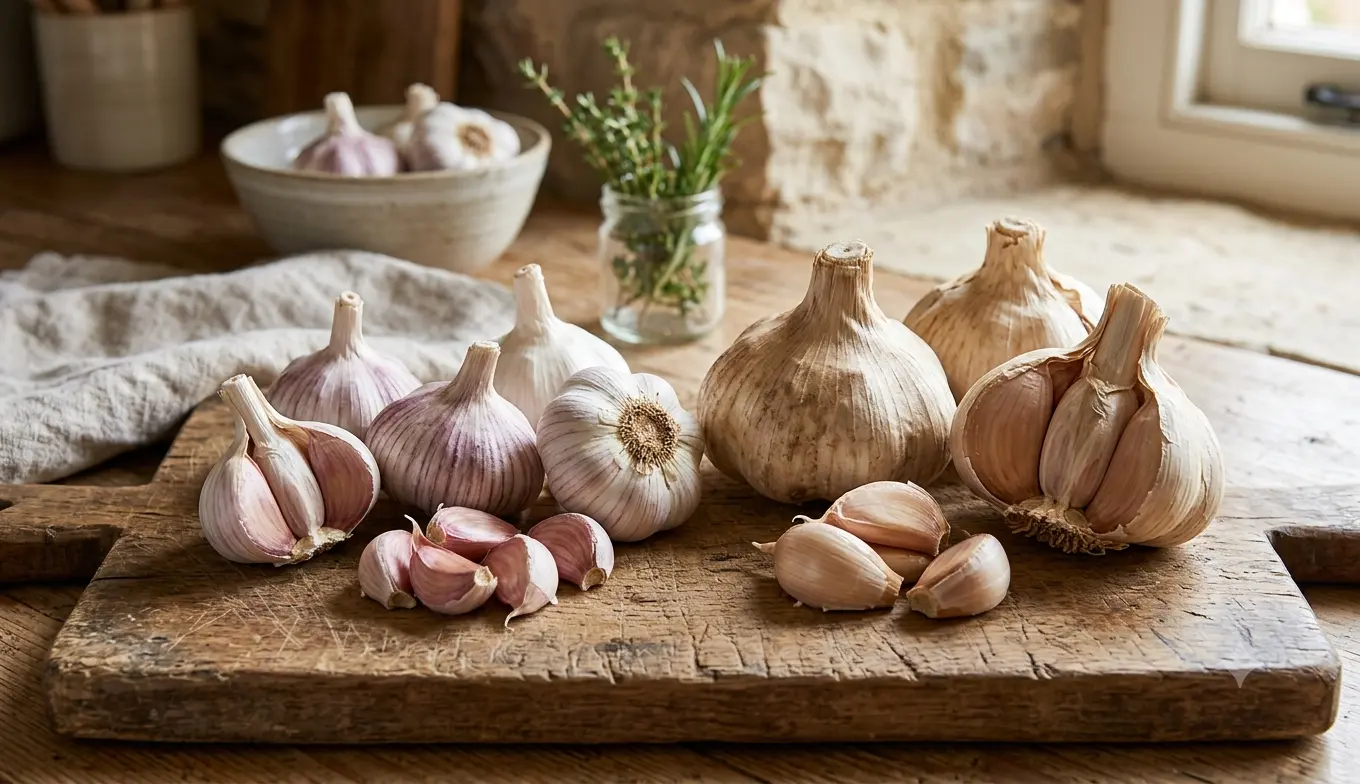
Great question! Regular garlic (Allium sativum) is the familiar kitchen staple — pungent, spicy, and packed with flavour. Elephant garlic (Allium ampeloprasum) is technically more closely related to a leek, but it grows in a very similar way. The big difference? The cloves are absolutely enormous — often the size of a small lemon — and the flavour is much milder and slightly sweeter. 🥰 It's perfect for roasting whole, adding to soups, or for gardeners who want a big, impressive harvest without the sharp bite.
When weighing up elephant garlic vs garlic, think about how you cook. Love bold, punchy garlic flavour? Go for regular hardneck or softneck varieties. Prefer something gentler that even garlic-shy family members will enjoy? Elephant garlic is your new best friend. The fantastic news is — you absolutely don't have to choose! Grow both! 🌈
☀️ When to Plant Garlic NZ — Getting Your Timing Right
Autumn garlic planting NZ is the golden rule, and for very good reason. 🌱 Garlic needs a period of cold (vernalisation) to trigger proper bulb formation, so planting in autumn gives the cloves time to establish roots before winter sets in and then bulk up beautifully come spring. Across most of New Zealand, the sweet spot is late March through to June. Here's a quick regional guide:
Northland & Auckland: Plant May–June to get enough winter chill. Choose varieties suited to milder winters. Waikato, Bay of Plenty, Hawke's Bay: April–May is ideal. Plenty of winter cold to do the job. Wellington & Nelson: April is perfect — cool winters give garlic exactly what it loves. Canterbury & Otago: March–April. Cold winters here mean excellent bulb development. 💚 Southland: March or early April — don't leave it too late or the ground may freeze before roots establish.
Elephant garlic follows the same seasonal schedule, so plant it right alongside your regular garlic for a brilliant double harvest!
🌱 Garlic Soil Preparation NZ — Building the Perfect Bed
Garlic is not fussy, but it does love good drainage and a rich, well-structured soil. Think of it this way: the better the soil, the bigger the bulbs! 🌻 Here's how to set your bed up for success:
Choose a sunny spot. Garlic needs at least 6 hours of direct sun per day. A north-facing bed is ideal in New Zealand. Improve drainage. If your soil is heavy clay, mix in plenty of compost and consider growing in raised beds (more on that below!). Add compost and a balanced fertiliser. Work in a generous layer of well-rotted compost — about 5–10 cm — and a sprinkling of blood and bone or a gentle organic fertiliser before planting. Check your pH. Garlic prefers a soil pH between 6.0 and 7.0. A simple soil test kit will tell you if you need to add garden lime to raise it. Weed thoroughly. Garlic doesn't compete well with weeds, especially in its early stages, so start with a clean bed. ✨
Focusing on garlic soil preparation NZ-style means working with our varied local soils — from the volcanic richness of the Waikato to the clay-heavy soils of Wellington. A little effort here pays off massively at harvest time!
🪴 Growing Garlic in Raised Beds NZ — A Game-Changer!
How amazing is this — garlic is one of the best crops for raised beds! 🥰 Growing garlic in raised beds NZ is brilliant because you have complete control over your soil quality and drainage. In regions with wet winters (hello, West Coast and Waikato!), raised beds can be the difference between a bumper crop and rotting cloves. Aim for a bed depth of at least 30 cm, fill it with a quality vegetable mix blended with compost, and you're golden. Elephant garlic especially thrives in raised beds — those big cloves need room to push down, and a deep, loose growing medium lets them do exactly that! 🌿
🌷 How to Plant Garlic — Step by Step
Planting garlic is genuinely one of the most satisfying things you'll do in your garden this autumn. Here's the simple process:
Source quality seed garlic. Always plant from certified organic garlic growing NZ-suitable seed stock or untreated garlic bulbs — never supermarket garlic, which is often treated to prevent sprouting and may carry disease. You can buy garlic bulbs NZ-wide from reputable garden suppliers like Botanical Love! 💚 Break into cloves. Separate bulbs just before planting (not weeks ahead) to keep the cloves fresh. For elephant garlic, even one clove is impressively large! Plant pointy-end up. Push each clove into the soil so the tip sits about 3–5 cm below the surface. Space regular garlic cloves 10–15 cm apart in rows 30 cm apart. Elephant garlic cloves are bigger — give them 20 cm between plants. Mulch generously. A 5–8 cm layer of pea straw or untreated wood chip mulch helps retain moisture, suppress weeds, and protect cloves during winter frosts. 🌱 Water in well. Give the bed a thorough drink after planting, then step back and let winter do its magic! 💚 Garlic Companion Planting NZ — Growing a Happy Garden
Garlic companion planting NZ is a wonderful way to make your whole garden thrive! Garlic is a natural pest deterrent — its pungent oils repel aphids, spider mites, and even some fungal diseases. Plant garlic near roses, tomatoes, brassicas, and carrots for a brilliant natural protection system. 🌼 The best part is, it takes up very little room, so you can tuck cloves into gaps all around your veggie beds. Just keep garlic away from peas, beans, and other legumes — they're not the best of friends.
🌻 Caring for Your Crop — Tips for Big, Beautiful Bulbs
Once your garlic is in the ground, the hard work is mostly done! Here are the key garlic growing tips NZ gardeners swear by:
Water consistently but don't overdo it. Garlic hates sitting in waterlogged soil. Water every 7–10 days during dry spells, and ease off completely in the final 3–4 weeks before harvest. Feed in spring. As shoots emerge and days lengthen, give your garlic a boost with a liquid seaweed fertiliser or diluted fish emulsion every 2–3 weeks through October. Remove flower scapes. Hardneck garlic varieties produce curling flower stalks called scapes in late spring. Snap these off to redirect the plant's energy into bulb formation — and then cook the scapes! They're absolutely delicious stir-fried or in pesto. ✨ Keep weeds at bay. Hand-weed gently around your plants or refresh the mulch layer. Garlic Pests and Diseases NZ — What to Watch For
The good news? Garlic is one of the toughest, most disease-resistant crops you can grow! 🌿 That said, keep an eye out for a few common issues:
White rot: A fungal disease that causes yellowing leaves and a white, fluffy growth at the base. Avoid by rotating crops and never planting alliums in the same spot two years running. Rust: Orange, powdery spots on leaves. Improve air circulation and avoid overhead watering. Usually cosmetic and won't ruin your harvest. Onion thrips: Tiny insects causing silvery streaking on leaves. A spray of diluted neem oil handles them beautifully in an organic garlic growing NZ setup. Slugs and snails: They can nibble young shoots in wet weather. Iron-based slug bait around the bed works well and is safe for the garden ecosystem. 💚
Staying on top of garlic pests and diseases NZ-wide means checking your plants every week or two — a lovely excuse for a garden wander! 🌱
🌈 Harvesting Garlic NZ — The Moment You've Been Waiting For!
Harvesting garlic NZ-grown bulbs is genuinely one of the most joyful moments in the gardening calendar — imagine pulling perfect, papery bulbs from the earth that YOU grew from scratch! 🥰 Here's when and how:
Timing: Regular garlic is typically ready November to January, depending on when you planted and your region. Elephant garlic tends to be ready a little earlier. The signal? The lower 3–4 leaves have yellowed and died back, but the upper 5–6 leaves are still green. That means you have the maximum number of wrapper layers on your bulb. How to harvest: Use a garden fork to loosen the soil around each bulb first, then gently lift — never yank by the stem! Shake off loose soil but don't wash the bulbs. Cure your garlic: Hang or lay bulbs in a warm, airy, shaded spot for 3–4 weeks to cure. This dries the skins and dramatically extends storage life. ☀️ Store: Once cured, store in a cool, dry, well-ventilated spot. Regular garlic stores for 6–12 months; elephant garlic typically 3–6 months.
A handy tip on how long does garlic take to grow NZ: from planting to harvest, expect around 6–9 months. That sounds like a long time, but garlic does almost all of the work itself — it's the ultimate set-and-forget crop! ✨
🛍️ Shop the Range at Botanical Love
Ready to get your garlic journey started? 🌱 At Botanical Love, we stock a fantastic range of garlic and elephant garlic seed bulbs carefully selected for New Zealand growing conditions — along with heirloom and open-pollinated vegetable seeds, organic fertilisers, and everything you need to set up a thriving veggie garden. Browse our Vegetable Seeds & Bulbs category and our Organic Gardening Supplies range to grab everything you need in one place. We'd love to help you grow something amazing this season! 💚🌿
❓ Frequently Asked Questions When is the best time to plant garlic in New Zealand?
The best time for how to plant garlic in New Zealand is during autumn — typically April to June, depending on your region. Garlic needs cool winter temperatures to develop properly, so planting in autumn gives it the cold it needs to form large, flavourful bulbs by summer.
What are the best garlic varieties for NZ?
When it comes to the best garlic varieties NZ gardeners love, hardneck types like Purple Stripe and Rocambole perform beautifully in cooler South Island climates, while softneck varieties like Silverskin are well-suited to the milder conditions of the North Island. Elephant garlic is an excellent choice across all regions for its impressive size and mild flavour. 🧄
Can I grow garlic in a container or pot?
Absolutely! Garlic grows surprisingly well in large pots or containers — just make sure the pot is at least 30 cm deep, has excellent drainage, and is filled with a quality potting mix blended with compost. It's a great option for apartment balconies or small urban gardens. 🪴
How do I know when my garlic is ready to harvest?
Your garlic is ready to harvest when the lower third to half of the leaves have yellowed and died back. Don't wait until all leaves are yellow — at that point the protective wrapper layers can break down. Do a test dig on one bulb first to check the size before lifting the whole crop. 🌻
Is elephant garlic the same as regular garlic?
Not quite! While they're grown in very similar ways, elephant garlic is botanically closer to a leek. Its cloves are much larger and the flavour is considerably milder and less pungent than standard garlic. It's a fantastic choice for anyone who loves the idea of garlic but finds the flavour a little too strong. 🥰
Do I need to fertilise garlic during the growing season?
Yes — a light feed makes a real difference! Start with compost and blood and bone at planting time, then apply a liquid seaweed or fish-based fertiliser every 2–3 weeks once the green shoots appear in late winter and spring. Ease off all feeding and watering in the final month before harvest to help bulbs firm up and store well. ✨
— Botanical Love
Keep reading
More from the Blog
Zucchini Chutney & Relish: Make Your Own NZ Garden 🌱✨
🌱 From Garden Glut to Gorgeous Jars — Zucchini Chutney Relish NZ Style If you've ever grown zucchinis in a New Zealand summer, you know the joy — and the mild panic — of watching your plants produce way more than you bargained for! 🥰 That's exactly why learning to make your own zucchini chutney relish NZ style is such a game-changer. Instead of giving away bags of courgettes to every neighbour on the street, you can transform that beautiful bumper harvest into jars of golden, flavour-packed chutney and relish that you'll treasure all year long. ✨ Imagine opening your pantry in the middle of winter and pulling out a jar of summer sunshine you made with your own hands — how amazing is that?!
🌿 Grow & Process Your Own Sugar Cane into Sugar in NZ!
If you've ever dreamed of producing your very own sweetener straight from the garden, learning to grow sugar cane NZ-style is one of the most exciting and rewarding projects you can take on! 🌱 Sugar cane (Saccharum officinarum) is a magnificent, towering tropical grass that thrives surprisingly well in the warmer corners of Aotearoa — and the best part is, it's far more achievable than most Kiwi gardeners realise. Imagine walking out to your backyard, harvesting a bundle of golden canes, and squeezing fresh juice to make your very own raw sugar or golden syrup. How amazing is that?! This guide walks you through absolutely everything — from choosing the right variety and finding the perfect spot, all the way through to processing your harvest into real, homemade sweetness. ✨