🥕 How to Grow Carrots from Seed in NZ — Full Guide
11 July 2026 · 5 min read
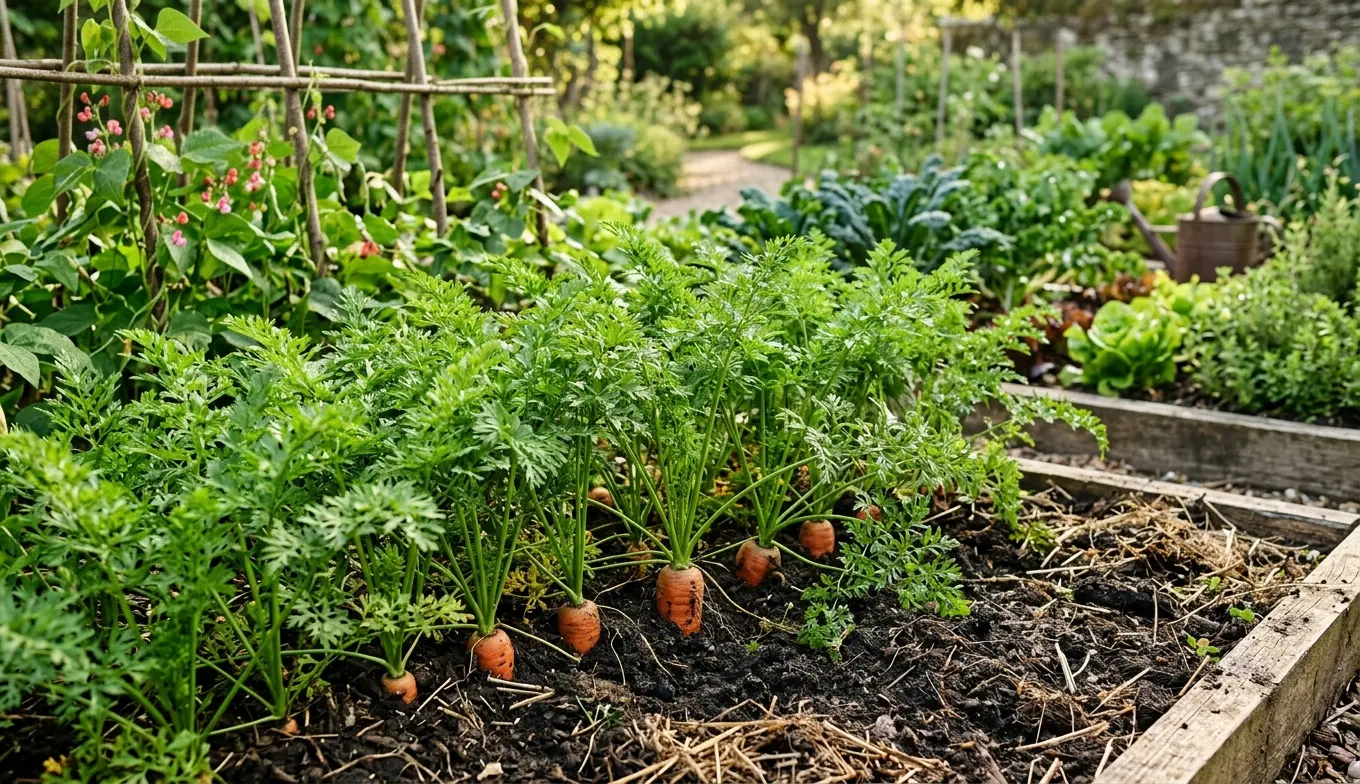
🥕 Why Every Kiwi Gardener Should Grow Carrots from Seed
There is something genuinely magical about learning to grow carrots from seed — you tuck tiny, dust-like seeds into the soil, and weeks later you're pulling up sweet, crunchy roots that taste absolutely nothing like the ones from the supermarket! 🌱 Growing your own carrots in Aotearoa New Zealand is one of the most rewarding veggie gardening experiences you can have, whether you're working a sunny Northland plot, a raised bed in Wellington, or a courtyard container in Christchurch. The best part is — carrots are surprisingly beginner-friendly once you know a few key tricks. Let's dig in! 🥰
🌱 When to Plant Carrot Seeds in NZ
Knowing when to plant carrot seeds NZ-wide is the single biggest factor in your success. Carrots are a cool-season crop, which means they actually prefer to grow during the milder months rather than the peak of summer heat. ☀️ Here's a rough guide by season:
Spring (September–November): The classic carrot-sowing window across most of New Zealand. Soil temperatures are rising above 10°C and conditions are perfect for steady germination. This is ideal for spring vegetable seeds NZ gardeners love to sow in a big seasonal push! Summer (December–February): Sowing is possible in cooler southern regions like Otago and Southland, but in Northland and Auckland the heat can cause patchy germination and forked roots. Autumn (March–May): Autumn vegetable planting NZ is hugely underrated for carrots! Autumn-sown carrots often produce the sweetest roots, as cool temperatures convert starches to sugars beautifully. 🌈 Winter (June–August): Possible in northern regions with frost cloth protection, but generally best avoided in the South Island.
As a rule of thumb, aim to sow carrots when soil temperature sits between 10°C and 30°C — the sweet spot is around 18–24°C for the fastest carrot seed germination time (usually 10–20 days). ✨
🌿 Choosing the Best Carrot Varieties for NZ Gardens
The best carrot varieties NZ gardeners swear by include a wonderful mix of classics and exciting heirlooms. Don't be afraid to experiment — choosing interesting varieties is half the fun! 🌻
Nantes: A sweet, cylindrical, blunt-ended carrot that's incredibly popular across NZ. Excellent for heavier soils where long taproots struggle. Chantenay: Shorter and stockier — brilliant for clay-heavy or shallow soils. Perfect if you're growing carrots in containers NZ-style on a balcony or patio. Imperator: Long, slender, and classic-looking. Thrives in deep, loose, sandy loam soils — great for Waikato and Hawke's Bay gardens. Purple Dragon / Cosmic Purple: Stunning heirloom carrot seeds NZ varieties with purple skin and an orange core. They're not just gorgeous — they're packed with antioxidants! 💚 Yellow Sun / Yellowstone: Golden-yellow heirloom types that are wonderfully sweet and look incredible on a dinner plate.
How amazing is this variety of choice?! Mixing colours in one row makes harvesting feel like finding buried treasure. 🥰
💚 How to Prepare Your Soil Before Sowing
Carrots are root vegetables — they follow the path of least resistance downward, so your soil preparation makes all the difference. Poor soil is the number-one reason for forked, stunted, or misshapen roots (and one of the key reasons why are my carrots forking is such a common gardening question!). Here's how to set yourself up for success:
Dig deep: Loosen your soil to at least 30 cm depth. Use a garden fork and work through any compaction. Remove stones and clumps: Even small stones can force a carrot root to fork and split. Take your time and sift through the bed carefully. Amend with compost: Work in well-rotted compost to improve drainage and aeration — but avoid fresh manure, which can also cause forking. Avoid high-nitrogen fertilisers: Too much nitrogen encourages leafy tops at the expense of roots. Use a balanced vegetable fertiliser instead. Rake to a fine tilth: A smooth, fine seed bed allows those tiny seeds to make good contact with the soil. 🌱
If your garden soil is heavy clay, raised beds are your best friend! Growing carrots in raised beds filled with a light, free-draining mix is an absolute game-changer for NZ gardeners dealing with challenging native soils. ✨
☀️ How Deep to Sow Carrot Seeds — Step-by-Step Sowing Guide
Understanding how deep to sow carrot seeds is a small detail that makes a huge difference. Carrot seeds are incredibly fine, and sowing them correctly gives you a big head start! Here's your step-by-step guide:
Make shallow furrows: Use your finger or a thin cane to draw rows about 5 mm deep and 20–30 cm apart. Sow thinly: Sprinkle seeds as sparingly as possible — aim for roughly one seed per centimetre. Mixing seeds with a little dry sand can help you distribute them more evenly. Cover lightly: Draw a thin layer of fine soil (5 mm) back over the furrow. Firm gently with your hand. Water carefully: Use a fine rose watering can or a gentle mist setting to avoid washing seeds away or compacting the surface. Keep moist: Carrot seeds must stay consistently moist during germination. In dry NZ spring weather, check daily and water lightly as needed.
Patience is key here — carrot seed germination time can feel slow (up to 3 weeks in cooler soil), but the moment you spot those feathery green seedlings emerging, you'll do a little happy dance! 🌿🥰
🌼 Thinning Carrot Seedlings — Don't Skip This Step!
Thinning carrot seedlings is the step many beginners skip, and it's the one that most affects harvest quality. Crowded carrots compete for space and nutrients, resulting in small, twisted roots. Here's how to do it right:
When seedlings are about 2–3 cm tall, thin to 4–5 cm apart. Snip with scissors at soil level rather than pulling, to avoid disturbing neighbours. When seedlings reach 10 cm, thin again to a final spacing of 8–10 cm apart. The tiny thinnings are edible! Toss them in a salad — they have a gorgeous delicate carrot flavour. 😋
Yes, thinning feels counterintuitive (you're removing plants you grew!), but your remaining carrots will reward you with beautifully formed, full-sized roots. You'll love the difference it makes! ✨
🐝 Carrot Companion Planting NZ — Garden Friends to Grow Alongside
One of the joys of growing a vegetable garden is discovering how plants help each other. Carrot companion planting NZ gardeners love includes:
Onions and leeks: Their strong scent deters carrot fly, one of the key pests to watch in NZ gardens. Rosemary and sage: Another aromatic barrier against pests — and they look beautiful bordering a carrot bed. 🌿 Radishes: Sow radishes between carrot rows as a 'trap crop' for pests, and to mark the slow-germinating rows so you don't accidentally weed them out. Lettuce: A great low-growing companion that shades the soil, keeps moisture in, and makes use of space between rows.
Avoid planting carrots near dill or fennel — these can inhibit carrot growth. 💚
🌻 Caring for Your Carrots Through the Season
Once your carrots are established, they're wonderfully low-maintenance. Here are the key carrot growing tips NZ gardeners use to keep their crops thriving:
Watering: Keep soil consistently moist but never waterlogged. Irregular watering (too dry, then flooded) causes roots to crack. Aim for deep, infrequent watering rather than frequent shallow watering. Weeding: Keep beds weed-free, especially while carrots are young. Weeds compete aggressively for nutrients. Hand-weed carefully to avoid disturbing carrot roots. Mulching: A thin layer of fine mulch (sugarcane or pea straw) helps retain moisture and suppress weeds — wonderful in a dry NZ summer! ☀️ Mounding: If carrot shoulders push above the soil surface, mound a little soil around them to prevent green-shouldering (green tops become bitter). Feeding: A light application of a low-nitrogen liquid fertiliser at 6–8 weeks supports root development without promoting excessive leaf growth. 🥬 Harvesting Your Carrots — The Best Part!
Most carrot varieties are ready to harvest in grow carrots from seed NZ gardens within 70–80 days from sowing, though this varies by variety and season. 🌈 You'll know they're ready when the shoulders are visible at soil level and have reached a good diameter (usually 1.5–2 cm across the top). To harvest:
Water the bed an hour before harvesting to loosen the soil. Grip the carrot close to the base of the leaves, twist gently, and pull straight up. In heavier soils, loosen the surrounding soil with a fork first to avoid breaking the root.
Freshly pulled carrots are an absolute joy — sweet, crisp, and bursting with flavour. Imagine the look on your kids' (or your own!) face pulling up a vibrant purple carrot you grew yourself. That's pure gardening magic. 🥰✨
🛒 Shop the Range at Botanical Love
Ready to get growing? You'll find everything you need to grow carrots from seed right here at Botanical Love! Browse our vegetable seed collection for a gorgeous range of carrot varieties — from tried-and-true Nantes types to stunning heirloom carrot seeds. Head to our garden supplies category for raised bed mixes, compost, and fine seedling tools, and explore our seeds & plants range to pick up companion planting companions like onions and herbs. We ship throughout Aotearoa, so whether you're in Auckland or Invercargill, your next great garden adventure is just a click away! 🌱💚
❓ Frequently Asked Questions When is the best time to plant carrot seeds in NZ?
The best times to plant carrot seeds across most of New Zealand are spring (September–November) and autumn (March–May). These cooler-soil periods give the best germination rates and the sweetest roots. Avoid sowing in the height of summer in northern regions, as heat causes poor germination and forking.
How long do carrot seeds take to germinate in NZ?
Carrot seed germination time in NZ typically ranges from 10 to 21 days, depending on soil temperature. Seeds germinate fastest at 18–24°C. In cooler spring or autumn soil, expect closer to 3 weeks — keep the soil consistently moist throughout this period for the best results. 🌱
Why are my carrots forking or splitting?
Forking is most commonly caused by stony or compacted soil, fresh manure in the bed, or irregular watering. Prepare your bed to at least 30 cm depth, remove all stones, use well-rotted compost, and water consistently. Choosing shorter varieties like Chantenay in heavier soils also helps enormously.
Can I grow carrots in containers or pots?
Absolutely! Growing carrots in containers NZ-style is very achievable — just choose shorter varieties like Chantenay or Paris Market, use a deep container (at least 30 cm deep), and fill it with a light, free-draining potting mix. Keep the mix consistently moist and position in a sunny spot. 🪴
Do I need to buy special carrot seeds, or can I use supermarket carrots?
Always buy carrot seeds for planting — supermarket carrots are often hybrid varieties that won't produce reliable seeds, and the carrots themselves won't grow if planted. Investing in quality seeds, including heirloom carrot seeds, gives you the best flavour, variety choice, and growing success. 🥕✨
How do I stop carrot fly from damaging my crop?
Carrot fly is one of the main pests to watch in NZ vegetable gardens. Use companion planting (onions, leeks, and aromatic herbs alongside your carrots), cover beds with fine insect mesh, and avoid crushing carrot leaves when thinning (the scent attracts the fly). Sowing in spring or autumn can also reduce exposure to peak fly populations. 🐝
— Botanical Love
Keep reading
More from the Blog
Zucchini Chutney & Relish: Make Your Own NZ Garden 🌱✨
🌱 From Garden Glut to Gorgeous Jars — Zucchini Chutney Relish NZ Style If you've ever grown zucchinis in a New Zealand summer, you know the joy — and the mild panic — of watching your plants produce way more than you bargained for! 🥰 That's exactly why learning to make your own zucchini chutney relish NZ style is such a game-changer. Instead of giving away bags of courgettes to every neighbour on the street, you can transform that beautiful bumper harvest into jars of golden, flavour-packed chutney and relish that you'll treasure all year long. ✨ Imagine opening your pantry in the middle of winter and pulling out a jar of summer sunshine you made with your own hands — how amazing is that?!
🌿 Grow & Process Your Own Sugar Cane into Sugar in NZ!
If you've ever dreamed of producing your very own sweetener straight from the garden, learning to grow sugar cane NZ-style is one of the most exciting and rewarding projects you can take on! 🌱 Sugar cane (Saccharum officinarum) is a magnificent, towering tropical grass that thrives surprisingly well in the warmer corners of Aotearoa — and the best part is, it's far more achievable than most Kiwi gardeners realise. Imagine walking out to your backyard, harvesting a bundle of golden canes, and squeezing fresh juice to make your very own raw sugar or golden syrup. How amazing is that?! This guide walks you through absolutely everything — from choosing the right variety and finding the perfect spot, all the way through to processing your harvest into real, homemade sweetness. ✨