Homemade Disinfectant: Natural DIY Recipes for NZ Homes 🌿✨
11 July 2026 · 5 min read
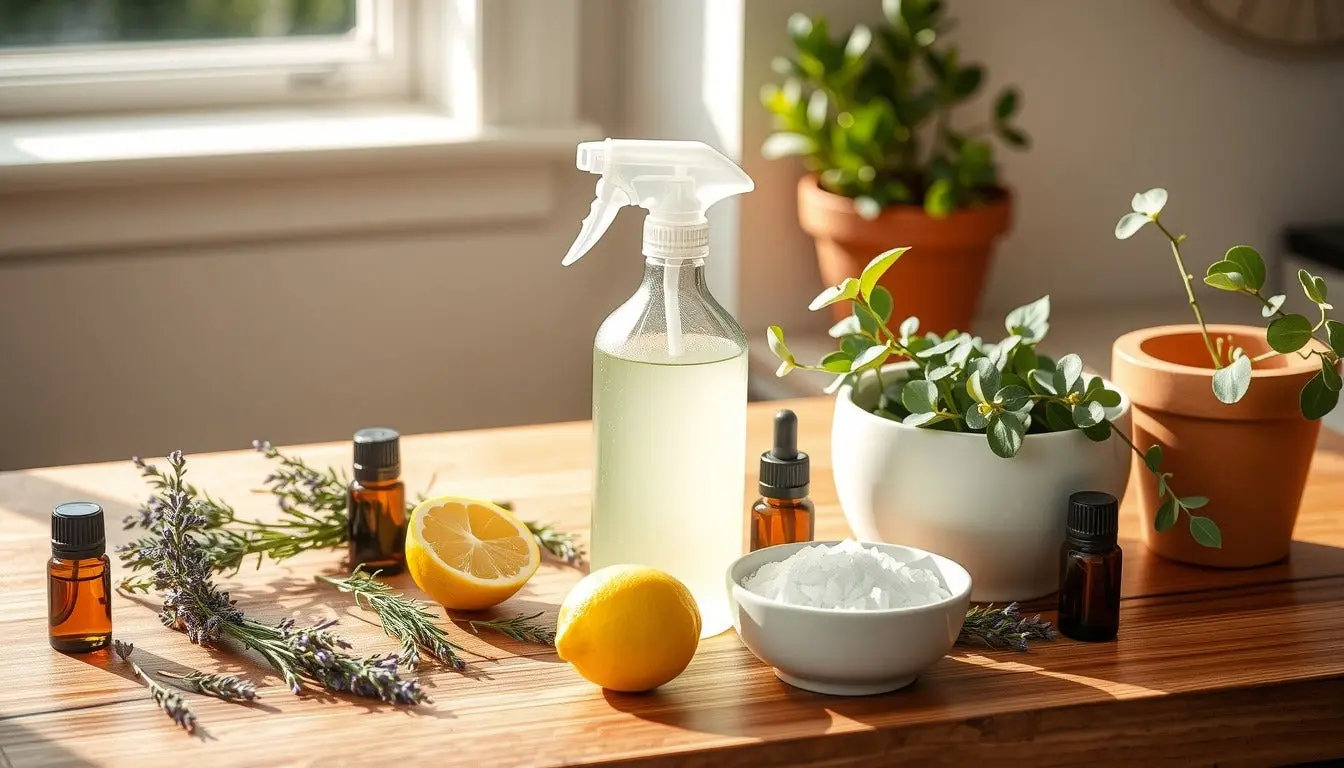
Making your own homemade disinfectant is one of the most satisfying, feel-good things you can do for your home — and it's so much easier than you might think! 🌿 Imagine knowing exactly what's in every spray bottle under your sink, replacing harsh chemicals with plant-powered goodness you've grown yourself or sourced locally right here in Aotearoa New Zealand. Whether you're in sunny Northland or the crisp South Island air of Otago, this guide will show you how to make safe, effective, and beautifully fragrant natural cleaners for every corner of your home. Let's dive in! ✨
🌱 Why Make a Natural Disinfectant at Home?
There are so many brilliant reasons to ditch the supermarket chemical cleaners and go natural! The best part is that a natural disinfectant NZ households can make at home is not only gentler on your family and pets — it's also much kinder to our incredible New Zealand environment. 💚 Many commercial cleaners contain synthetic fragrances, harsh solvents, and compounds that can irritate skin, eyes, and airways, especially in the little ones.
When you make your own, you control every single ingredient. You'll love that these recipes cost a fraction of store-bought products, reduce plastic waste (just refill your spray bottle!), and smell absolutely gorgeous — like a garden in full bloom. 🌼 How amazing is that?
Budget-friendly: A big batch costs just a few dollars to make. Eco-conscious: Far less plastic, far fewer toxins entering our waterways. Customisable: Tailor the scent and strength to your preference. Genuinely effective: Plant compounds like thymol and linalool have well-documented antimicrobial properties. A joy to use: Your kitchen or bathroom will smell like a herb garden every single day! 🌿 🌿 The Best Plants and Ingredients for DIY Cleaning Products
The secret to a powerful homemade disinfectant spray lies in choosing the right botanical heroes. Many of these you can grow yourself in NZ's fantastic climate — from a small balcony pot in Wellington to a sprawling herb garden in the Waikato. Here are the all-star natural disinfecting ingredients to know and love:
🌼 Tea Tree Oil — New Zealand's Cleaning Legend
A tea tree oil disinfectant recipe is probably the most well-known natural cleaning formula in NZ homes, and for very good reason! Tea tree (Melaleuca alternifolia) essential oil contains terpinen-4-ol, a compound with proven antimicrobial activity. Just a small amount in your spray bottle makes a genuinely effective surface cleaner. ✨
💜 Lavender — Beautiful, Calming, and Surprisingly Tough
Lavender is an absolute dream to grow in New Zealand's climate, thriving everywhere from Auckland's humid summers to Hawke's Bay's dry, sun-baked conditions. A lavender cleaning spray homemade recipe smells incredible AND delivers real antibacterial punch. You'll love spritzing this on bench tops, doorknobs, and bathroom surfaces. 🥰 If you'd like to grow your own supply, check out the lavender plant options available — see below for details!
🌱 Thyme — The Underrated Powerhouse
A thyme and vinegar disinfectant is one of the most potent natural cleaning combinations you can make. Thyme contains thymol — the very compound used in many commercial 'natural' cleaners — and it grows brilliantly as a low-maintenance herb in NZ gardens year-round. Steep a large handful of fresh thyme in white vinegar for two weeks, strain, and you have a phenomenally effective cleaning base. 🌿
☀️ Eucalyptus — Fresh, Familiar, and Powerfully Clean
An eucalyptus disinfectant spray recipe brings that iconic fresh, clean scent into your home while doing serious antimicrobial work. Eucalyptus essential oil cuts through grease, tackles mould (always a consideration in NZ's wetter regions!), and leaves surfaces sparkling. 🌈
🧪 How to Make Disinfectant at Home: 3 Simple Recipes
Ready to get mixing? These recipes are tried, tested, and totally beginner-friendly. You'll need a clean glass or high-quality plastic spray bottle, a measuring jug, and your chosen ingredients. Let's go! 💚
Recipe 1: Classic Tea Tree & Lavender All-Purpose Spray
This is the perfect everyday homemade disinfectant for bench tops, sinks, and high-touch surfaces. It smells divine and works beautifully. ✨
Add 300 ml distilled or cooled boiled water to a 500 ml spray bottle. Add 150 ml white vinegar (5% acidity). Drop in 20 drops of tea tree essential oil. Add 15 drops of lavender essential oil. Optional: add 1 teaspoon of castile soap for extra cleaning power. Shake gently before each use, spray on surfaces, leave for 30–60 seconds, then wipe clean. 🌿 Recipe 2: Thyme & Vinegar Herbal Disinfectant
This one takes a little patience but rewards you with a seriously powerful, fragrant chemical-free home cleaning NZ-worthy solution. Imagine opening your cleaning cupboard to the scent of a sun-warmed herb garden! 🌼
Fill a glass jar with fresh thyme sprigs (about 30–40 g). Cover completely with white vinegar and seal the lid. Leave to infuse for 10–14 days in a cool, dark spot. Strain the liquid into a spray bottle, discard the spent herbs (add to compost! ♻️). Dilute 50/50 with water before use on most surfaces. Add 10 drops of eucalyptus essential oil for extra freshness if you like. Recipe 3: Quick Eucalyptus & Tea Tree Bathroom Blitz Spray
Perfect for tackling bathroom mould and mildew — a very real challenge in New Zealand's coastal and high-rainfall regions! 🌧️ This is your go-to heavy-duty spray.
Combine 200 ml water and 200 ml white vinegar in a spray bottle. Add 25 drops eucalyptus essential oil and 15 drops tea tree oil. Add ½ teaspoon of baking soda — add slowly to prevent fizzing! Spray generously on bathroom tiles, grout, and taps, leave 2–3 minutes, then scrub and rinse. ✨ 🌻 Does Homemade Disinfectant Actually Work?
This is a great question and one worth addressing head on! Research into the antimicrobial properties of essential oils — particularly tea tree, thyme, lavender, and eucalyptus — consistently shows meaningful activity against a range of common household bacteria and fungi. When combined with the acetic acid in white vinegar (a proven disinfecting agent), these sprays are genuinely effective for everyday household cleaning. 💪
It's important to note that for clinical or medical-grade disinfection (think caring for someone who is seriously unwell), registered commercial products are recommended. But for everyday non-toxic household cleaner NZ use — bench tops, sinks, bathrooms, doorknobs, and floors — these recipes absolutely deliver. 🌱
🪴 Grow Your Own Cleaning Herbs in NZ
One of the most rewarding parts of this whole journey is growing your own raw ingredients! When you grow herbs for cleaning NZ-style — right in your own garden or on your windowsill — you have a constant, fresh supply at zero cost. 🥰 Here's a quick seasonal guide:
Spring (September–November): The perfect time to plant thyme, lavender, and lemon verbena seedlings. Soil is warming up across most of NZ — it's go time! 🌱 Summer (December–February): Harvest abundantly! Cut thyme and lavender regularly to encourage bushy re-growth. Dry or use fresh in your vinegar infusions. ☀️ Autumn (March–May): Plant another round of thyme and rosemary — both are wonderfully hardy and will give you winter harvests, even in cooler southern regions. Winter (June–August): Rosemary, thyme, and sage continue growing through mild NZ winters. Harvest and infuse away! 🌿
If you want to fast-track your supply, picking up established lavender or herb plants means you can start harvesting within weeks. The best plants for natural cleaning — thyme, lavender, rosemary, lemon balm, and eucalyptus — are all achievable in NZ home gardens, and most of them are gloriously low-maintenance. How amazing is this hobby?! 🌈
💚 Tips for Using Your DIY Cleaning Products Safely
A few simple things to keep in mind as you embrace the wonderful world of DIY cleaning products New Zealand style:
Label everything clearly with the recipe and date made. 📝 Avoid using vinegar-based sprays on natural stone (marble, granite) — the acidity can etch the surface. Essential oil sprays are not safe for all pets — particularly cats, who are sensitive to certain essential oils including tea tree. Keep pets out of freshly sprayed rooms until surfaces are dry. Store in a cool, dark place — a cupboard under the sink or a pantry shelf is ideal. Use within 2–3 months for best potency. ✨ Shake before every use — water and oil separate naturally, so a quick shake ensures every spray is perfectly blended. Test on a small area first if you're using on a new surface type — just to be safe! 🌿
When using essential oil disinfectant spray NZ-style recipes around children, always opt for lower concentrations of essential oils (halve the drops suggested above) and ensure good ventilation. The goal is a fresh, clean, happy home! 🌼
🛍️ Shop the Range at Botanical Love
Ready to grow your own cleaning-herb garden or stock up on everything you need to get started? 🌱 At Botanical Love, we have a wonderful range of herb seeds and plants — including lavender, thyme, rosemary, and lemon balm — that are perfect for NZ gardens from Northland to Southland. If you'd like to buy lavender plants NZ-grown and ready to go, browse our Herb Plants and Herb Seeds categories. We also carry a range of gardening supplies to help you get your herb patch thriving from day one. Visit botanicallove.co.nz and explore — you're going to love what you find! 💚✨
❓ Frequently Asked Questions Does homemade disinfectant actually work against germs?
Yes! Ingredients like tea tree oil, white vinegar, thyme, and eucalyptus all have well-documented antimicrobial properties effective against many common household bacteria and fungi. For everyday household cleaning they are genuinely effective — just note that for clinical disinfection (e.g., caring for someone seriously ill), registered products are recommended.
Is it safe to use vinegar-based sprays on all surfaces?
Vinegar is safe on most hard surfaces including glass, stainless steel, sealed tiles, and plastic. However, avoid using it on natural stone surfaces like marble or granite, as the acidity can cause etching over time. Always do a small patch test on new surfaces! 🌿
When should I plant lavender and thyme in New Zealand?
Spring (September to November) is the ideal planting window across most of New Zealand, as warming soils give herb seedlings the best start. In warmer northern regions like Auckland and Northland, you can also plant in early autumn (March–April) for a second growing window. 🌱
Are essential oil sprays safe around my pets?
Cats are particularly sensitive to certain essential oils, including tea tree and eucalyptus — so keep them out of freshly sprayed rooms until surfaces are fully dry. Dogs are generally less sensitive, but it's always a good idea to use lower concentrations and keep the area ventilated. When in doubt, check with your vet! 🐾
How long do homemade disinfectant sprays last?
Most recipes are best used within 2–3 months. The essential oils and vinegar can degrade over time, especially if exposed to light and heat. Store in a dark, cool spot (like under the sink) and label with the date you made it. Shake well before every use! ✨
Can I use these recipes in a commercial kitchen or childcare setting in NZ?
For regulated commercial environments such as food businesses or registered childcare centres in New Zealand, Food Safety and Ministry of Health guidelines require the use of approved, tested disinfectants. Homemade recipes are perfect for home use but are not a substitute for registered products in commercial or regulated settings.
— Botanical Love
Keep reading
More from the Blog
Zucchini Chutney & Relish: Make Your Own NZ Garden 🌱✨
🌱 From Garden Glut to Gorgeous Jars — Zucchini Chutney Relish NZ Style If you've ever grown zucchinis in a New Zealand summer, you know the joy — and the mild panic — of watching your plants produce way more than you bargained for! 🥰 That's exactly why learning to make your own zucchini chutney relish NZ style is such a game-changer. Instead of giving away bags of courgettes to every neighbour on the street, you can transform that beautiful bumper harvest into jars of golden, flavour-packed chutney and relish that you'll treasure all year long. ✨ Imagine opening your pantry in the middle of winter and pulling out a jar of summer sunshine you made with your own hands — how amazing is that?!
🌿 Grow & Process Your Own Sugar Cane into Sugar in NZ!
If you've ever dreamed of producing your very own sweetener straight from the garden, learning to grow sugar cane NZ-style is one of the most exciting and rewarding projects you can take on! 🌱 Sugar cane (Saccharum officinarum) is a magnificent, towering tropical grass that thrives surprisingly well in the warmer corners of Aotearoa — and the best part is, it's far more achievable than most Kiwi gardeners realise. Imagine walking out to your backyard, harvesting a bundle of golden canes, and squeezing fresh juice to make your very own raw sugar or golden syrup. How amazing is that?! This guide walks you through absolutely everything — from choosing the right variety and finding the perfect spot, all the way through to processing your harvest into real, homemade sweetness. ✨