Flowers
Growing Sweet Peas from Seed NZ: Spring Planting Guide
11 September 2026 · 8 min read
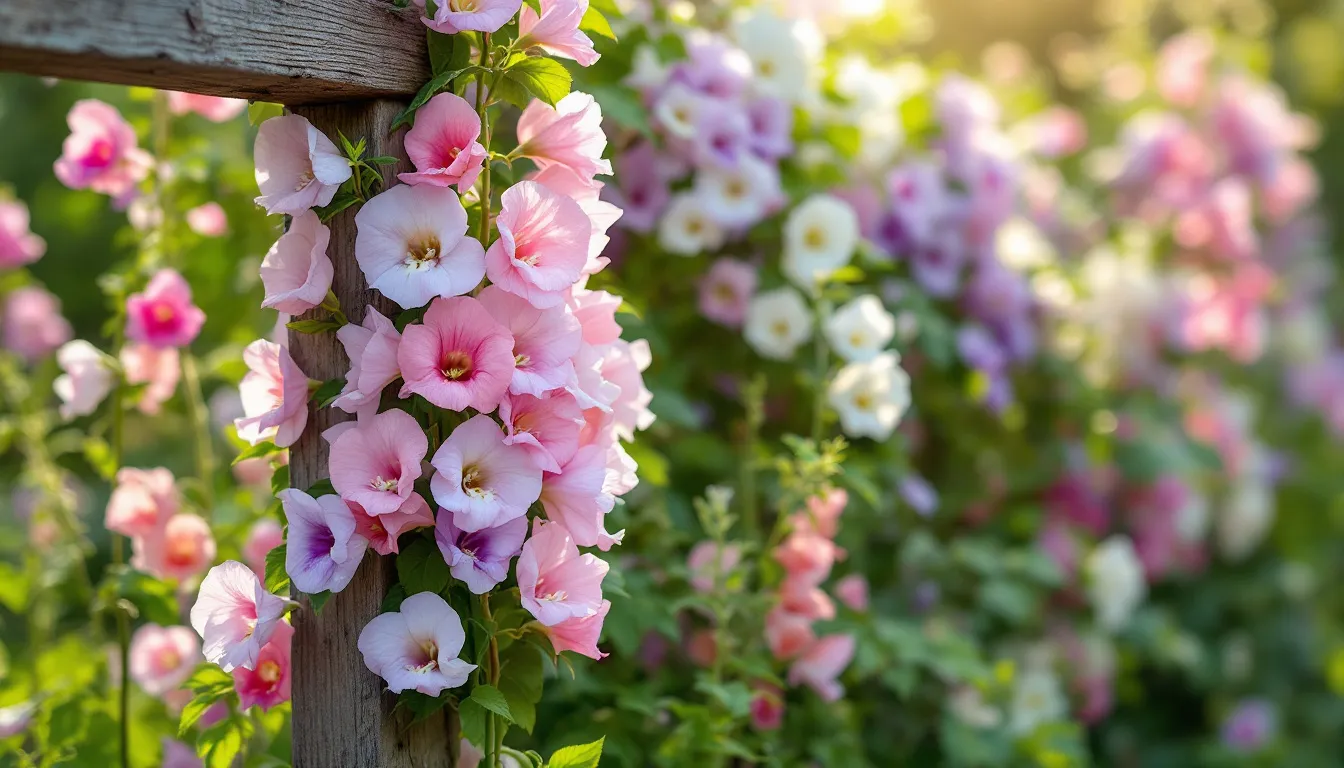
🌸 Why Every NZ Gardener Should Be Growing Sweet Peas from Seed
Growing sweet peas from seed in NZ is one of the most rewarding things you can do in the garden come spring. These old-fashioned beauties — with their frilly, butterfly-wing blooms and intoxicating fragrance — are surprisingly easy to raise from seed, incredibly generous with their flowers, and perfectly suited to New Zealand's varied climates. Whether you're gardening in sun-drenched Hawke's Bay, breezy Wellington, or the cooler South Island, there's a sweet pea variety that will thrive for you. This guide walks you through everything you need to know, from sowing your first seed to picking armfuls of blooms.
🗓️ When to Sow Sweet Peas in New Zealand
Timing is everything with sweet peas. They are a cool-season flower that loves to establish roots before the heat of summer arrives. In New Zealand's southern-hemisphere calendar, here's how to plan your sowing:
Northland, Auckland, Coromandel & Bay of Plenty: Sow direct or in pots from late March through May (autumn) for winter growth and spectacular spring blooms. You can also sow in August for a later display.
Waikato, Hawke's Bay, Taranaki & Wellington: Autumn sowing (April–May) is ideal. Alternatively, sow in late August to early September as the soil begins to warm.
Nelson, Marlborough & Canterbury: Sow in September once the last hard frosts have passed. Seeds can handle a light frost but dislike prolonged freezing.
Otago & Southland: Wait until mid-September to October before sowing outdoors. Starting seeds undercover in August gives you a head start.
As a general rule, sweet peas prefer to grow in cool conditions (8–18°C) and will struggle to set buds once temperatures consistently exceed 25°C. The earlier you can get them established, the longer your flowering season will be.
🌱 Preparing Your Seeds for Success
Sweet pea seeds have a notoriously hard coat, which can slow germination. A little prep work dramatically improves your strike rate.
Soaking
Place your seeds in a small bowl of room-temperature water and soak for 12–24 hours before sowing. You'll notice many seeds plump up noticeably — a sign the seed coat has softened and moisture has reached the embryo inside. Discard any seeds that remain hard and don't swell.
Scarification
For especially stubborn seeds, gently nick the seed coat with a nail file or piece of sandpaper on the side opposite the eye (the small pale mark). Just a light scuff is enough — you're not trying to expose the inner seed, just break the surface tension.
Sowing Medium
Use a quality seed-raising mix rather than general potting mix or garden soil. Seed-raising mix is fine-textured, free-draining, and lower in nutrients — perfect for encouraging young roots without burning delicate seedlings.
🪴 Sowing Sweet Peas: Pots vs. Direct in the Ground
Starting in Pots or Trays
Starting seeds undercover in pots or deep tubes is a great option, especially in cooler regions or if you want to get ahead of the season. Sweet peas develop a long tap root, so use deep pots or toilet-roll tubes (which can be planted straight into the ground, cardboard and all) rather than shallow seed trays. Sow seeds about 2 cm deep, one or two per pot. Place in a sheltered, cool spot — a cold frame, glasshouse, or a bright windowsill works well. Expect germination in 7–21 days.
Sowing Direct
Sweet peas actually prefer to be sown where they are to grow, as they resent root disturbance. Once your soil is workable and temperatures are consistently above 8°C, sow seeds directly into prepared ground at a depth of 2–3 cm, spacing them 10–15 cm apart along the base of your support structure. Water in well and keep the soil evenly moist until seedlings emerge.
🌿 Soil Preparation & Feeding
Sweet peas are hungry plants and absolutely love a rich, well-prepared bed. Taking a little time to improve your soil before planting will pay dividends in bloom quality and quantity.
Dig deep: Loosen the soil to at least 30 cm. Sweet peas send down long roots and appreciate good depth.
Add organic matter: Work in plenty of well-rotted compost or aged manure. This improves moisture retention and provides a slow release of nutrients.
Check your pH: Sweet peas prefer a slightly alkaline soil — ideally pH 7.0–7.5. If your soil is acidic (common in parts of Northland and the West Coast), add a handful of garden lime per square metre a few weeks before planting.
Feed regularly: Once plants are growing strongly, feed every two weeks with a liquid fertiliser high in potassium (like a tomato food) to encourage flowering. Avoid high-nitrogen feeds once plants are established — these promote leafy growth at the expense of blooms.
🪢 Support Structures: Giving Sweet Peas Something to Climb
Sweet peas are vigorous climbers, easily reaching 1.5–2 m in height, and they need sturdy support from the outset. Their delicate tendrils will latch onto almost anything — but here are the most popular options for NZ gardeners:
Bamboo or wooden trellis: A classic choice for cottage gardens. Erect your trellis before sowing so you don't disturb roots later.
Netting or wire mesh: Stretch wire or plastic netting between two posts for an easy, cost-effective support. Plants weave through naturally.
Twiggy branches: Prunings from hazel, totara, or other branchy shrubs can be pushed into the ground beside seedlings — a charming, rustic option.
Obelisks or teepees: Tie three or more canes together at the top for a decorative focal point in a border or raised bed.
Ensure whatever structure you use is well-anchored — sweet peas in full growth carry surprising weight and can catch the wind like a sail.
✂️ Pinching Out & Encouraging Bushy Growth
Once your seedlings have developed two to three pairs of leaves, pinch out the growing tip with your fingers or a pair of small scissors. This simple step encourages the plant to throw out side shoots, resulting in a bushier plant with far more flowering stems. It can feel counterintuitive to cut back your precious seedlings, but trust the process — you'll be rewarded with a far more productive plant.
💐 Picking Blooms: The Golden Rule of Sweet Peas
Here is the single most important thing to know about sweet peas: pick them constantly. Sweet peas are programmed to set seed — once a flower is allowed to go to seed, the plant thinks its job is done and slows down flowering dramatically. Pick every bloom you can, even if you have no one to give them to. Pop them in a vase on the kitchen table, gift them to a neighbour, or simply compost them. The more you pick, the more the plant will produce. Aim to harvest every two to three days at the peak of the season.
🐛 Common Problems & How to Deal with Them
Powdery mildew: A common issue in warm, dry conditions. Ensure good airflow around plants and water at the base rather than overhead. Remove affected leaves promptly.
Aphids: Check the tips of new growth regularly. A strong blast of water or an insecticidal soap spray will knock them back.
Slugs & snails: Seedlings are vulnerable when young. Use an iron-based slug bait around newly sown areas, especially after rain.
Bud drop: If buds drop before opening, this is usually caused by heat stress or irregular watering. Mulch around the base of plants to keep roots cool and moist.
Poor germination: Usually caused by old seed, insufficient soaking, or soil that is too cold. Pre-soak seeds and ensure soil temperature is at least 8°C.
🛒 Shop Sweet Pea Seeds & Supplies at Botanical Love
Ready to get started? At Botanical Love, we stock a beautiful range of sweet pea seeds — from classic heritage varieties to modern heat-tolerant selections — along with everything you need for a successful growing season. Browse our flower seeds, seed-raising mix, liquid fertilisers, and garden supports at botanicallove.co.nz. We ship right across Aotearoa, so no matter where you garden, we've got you covered.
Frequently Asked Questions
Can I grow sweet peas in containers or pots?
Yes! Choose a deep pot (at least 30 cm deep) to accommodate their tap roots, use a good-quality potting mix enriched with compost, and position a trellis or canes in the pot for support. Container-grown sweet peas need more frequent watering and feeding than those in the ground.
How long do sweet peas take to flower from seed in NZ?
Typically 12–16 weeks from sowing to first blooms, depending on your region and the time of year you sow. Autumn-sown sweet peas in warmer northern regions may take longer as they establish slowly through winter before flowering in spring.
Why are my sweet peas not flowering?
The most common reasons are: sowing too late (plants hit summer heat before blooming), soil that is too nitrogen-rich (encouraging leaves over flowers), or not enough sunlight. Sweet peas need at least 6 hours of direct sun per day. Switch to a high-potassium fertiliser and ensure your plants are in a sunny spot.
Do sweet peas come back every year?
Sweet peas (Lathyrus odoratus) are annuals, meaning they complete their life cycle in one season. However, if you allow a few pods to mature and self-seed, you may find volunteer seedlings popping up in the same spot the following season. You can also save seed from your best plants to sow again next year.
Are sweet peas toxic to pets or children?
Yes — the seeds and pods of Lathyrus odoratus are mildly toxic if eaten in quantity. They are best kept out of reach of small children and pets. The flowers themselves are generally considered low risk, but it's wise to discourage eating any part of the plant.
— Botanical Love
Keep reading
More from the Blog
Gardening Tips
Spring Lawn Care NZ: How to Revive Your Lawn After Winter
Bring your lawn back to life this spring! Expert NZ lawn care tips for September–November: aerating, feeding, overseeding & more. Read the guide at Botanical Love.
Vegetables
Growing Cucumbers from Seed NZ: Sow to Harvest Guide
Learn how to grow cucumbers from seed in NZ — from spring sowing to summer harvest. Tips on varieties, soil, watering & pests for Kiwi gardens.