Grow Your Own Cottage Garden from Seed: A Complete Guide for New Zealand Gardeners
11 July 2026 · 5 min read
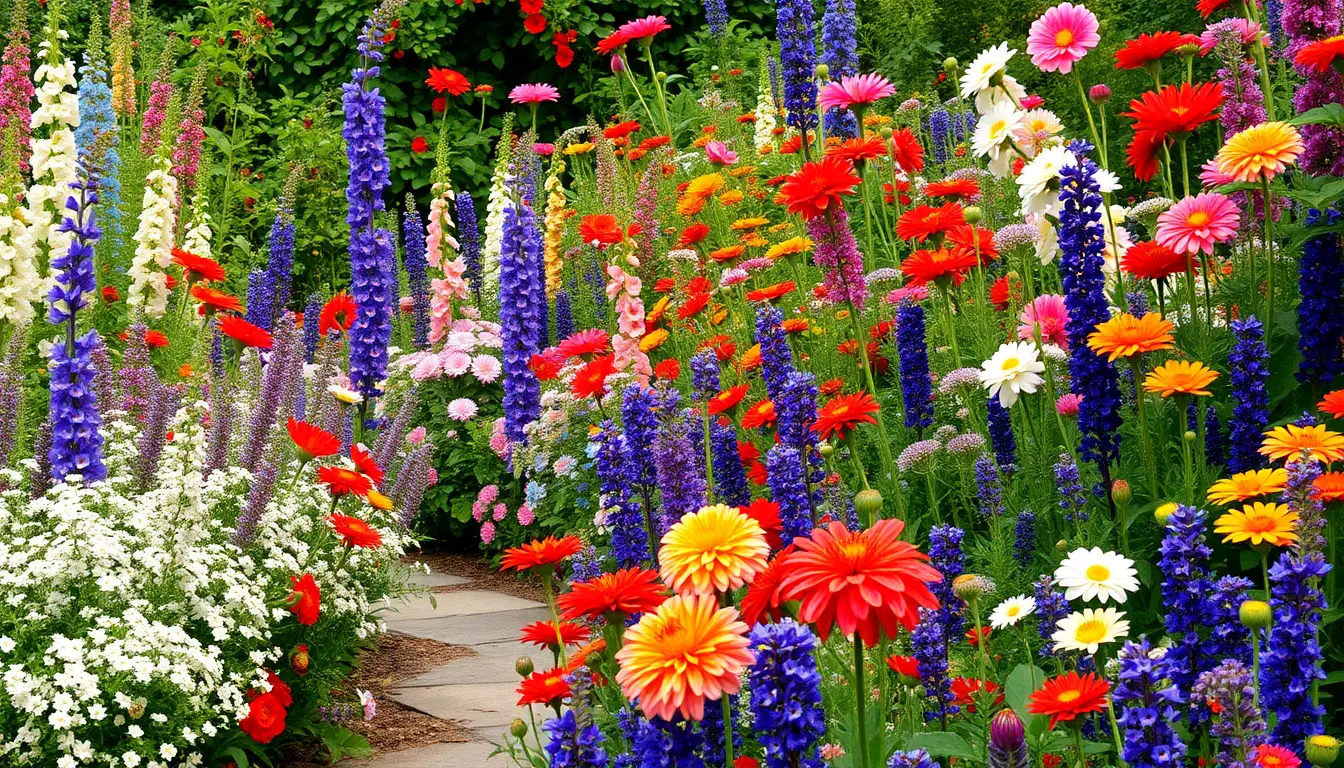
There's something truly magical about growing a cottage garden from seed. It's not just about creating a beautiful outdoor space—it's about connecting with nature, nurturing plants from their very beginning, and building a garden that reflects your personality and style. If you've ever dreamed of having a lush, romantic garden bursting with colorful flowers and fragrant blooms, then growing a cottage garden from seed is the perfect way to make that dream a reality. And the best part? You can do it right here in New Zealand, no matter where you live or how much gardening experience you have.
In this comprehensive guide, we'll walk you through everything you need to know about creating your own cottage garden from seed. From planning and design to sowing, nurturing, and maintaining your garden, we've got you covered. Whether you're a complete beginner or an experienced gardener looking to try something new, this guide will help you create a stunning cottage garden that you'll love for years to come.
What is a Cottage Garden and Why Grow from Seed?
Before we dive into the practical aspects of growing a cottage garden from seed, let's talk about what makes a cottage garden so special. A cottage garden is an informal, romantic style of gardening that originated in rural England. It's characterized by a seemingly haphazard arrangement of flowers, herbs, and vegetables that creates a lush, abundant, and charming aesthetic. Unlike formal gardens with their neat rows and geometric patterns, cottage gardens embrace a more natural, wild look that feels welcoming and lived-in.
The beauty of a cottage garden lies in its informality. There are no strict rules about what you plant or where you plant it. Instead, you're encouraged to mix and match different flowers, create layers of color and texture, and let your garden evolve naturally over time. This style of gardening is perfect for New Zealand, where our climate supports a wonderful variety of plants and our relaxed approach to life aligns perfectly with the cottage garden philosophy.
So why grow from seed? There are several compelling reasons. First, growing from seed is incredibly cost-effective. A single seed packet costs just a few dollars and can produce dozens of plants, whereas buying seedlings or mature plants from a nursery can quickly become expensive. Second, growing from seed gives you access to a much wider variety of plants than you'll typically find at your local garden center. You can choose heirloom varieties, unusual colors, and specific cultivars that are perfect for your cottage garden vision. Third, there's something deeply satisfying about nurturing a plant from its very beginning. Watching a tiny seed germinate, grow into a seedling, and eventually flower is an incredibly rewarding experience that connects you to the gardening process in a meaningful way.
For New Zealand gardeners, growing cottage garden seeds is particularly advantageous. Our diverse climate zones mean we can grow an incredible range of plants, and many cottage garden favorites thrive in our conditions. Plus, sourcing quality seeds locally means you're supporting New Zealand businesses and getting plants that are well-suited to our growing conditions.
Planning Your Cottage Garden
Before you start sowing seeds, it's important to spend some time planning your cottage garden. This doesn't mean creating a rigid, detailed plan—remember, cottage gardens are all about informality and spontaneity. However, having a general vision of what you want to create will help guide your seed selection and planting decisions.
Design Tips and Inspiration
Start by gathering inspiration. Look through gardening magazines, browse online gardening websites, visit local gardens during open days, and take photos of cottage gardens that appeal to you. What colors do you love? Do you prefer a riot of mixed colors or a more coordinated palette? Are you drawn to soft pastels or bold, vibrant hues? Do you want your garden to focus on flowers, or do you want to include herbs and vegetables as well?
Once you have a sense of your style preferences, think about the overall look you want to achieve. Some popular cottage garden styles include the traditional English cottage garden with its mix of roses, delphiniums, and foxgloves; the wildflower meadow style with native and naturalized plants; the romantic garden with soft colors and fragrant flowers; and the productive cottage garden that combines ornamental flowers with edible herbs and vegetables.
Size and Space Considerations
Next, consider the space you have available. Cottage gardens can work in any size space, from a small courtyard to a sprawling backyard. The key is to scale your ambitions to your available space and to make the most of what you have. If you have a small space, you might focus on creating a densely planted cottage garden bed or border. If you have more room, you can create multiple planting areas or even a cottage garden that encompasses your entire yard.
Think about the layout of your space. Where does the sun shine? Where are the shady areas? What's the soil like? Are there existing structures like fences, walls, or trees that you need to work around? These practical considerations will influence which plants you choose and where you place them.
Choosing Your Garden Style
As you plan, think about how your cottage garden will fit with the rest of your property. Will it be a formal cottage garden bed in an otherwise modern landscape, or will you be creating a full cottage garden style throughout your yard? Will it be visible from the street, or is it a private retreat? These considerations will help you decide on the scale and style of your garden.
Remember, the beauty of a cottage garden is that it's uniquely yours. There's no single "right" way to do it. Your cottage garden should reflect your personality, your preferences, and your lifestyle. So don't be afraid to break the rules and create something that feels authentic to you.
Selecting the Right Seeds
Now comes the fun part—choosing your seeds! This is where you get to let your imagination run wild and start building your cottage garden vision.
Best Cottage Garden Flowers for New Zealand
When selecting seeds for your cottage garden, it's helpful to know which plants are particularly well-suited to growing in New Zealand. Some classic cottage garden flowers that thrive in our climate include:
Roses are the quintessential cottage garden flower. Look for old-fashioned varieties, English roses, or shrub roses that have a romantic, full-petaled appearance. Many varieties are fragrant and will bloom repeatedly throughout the season.
Delphiniums are tall, stately flowers with spiky blue, purple, pink, or white blooms. They add height and drama to a cottage garden and are relatively easy to grow from seed.
Foxgloves are biennial flowers with tall spires of tubular flowers in pink, purple, white, or yellow. They're wonderful for creating vertical interest and self-seed readily, ensuring you have plants year after year.
Hollyhocks are another tall, dramatic flower that's perfect for cottage gardens. They come in a range of colors and have a charming, old-fashioned appeal.
Lavender is a must-have for any cottage garden. It's fragrant, attracts pollinators, and is incredibly easy to grow from seed. Plus, you can dry the flowers for use in crafts and home fragrance.
Sunflowers bring cheerful, golden blooms to any garden. They're easy to grow from seed and come in a range of heights and colors, from classic yellow to deep burgundy.
Cosmos are delicate, daisy-like flowers that bloom prolifically throughout summer and autumn. They're incredibly easy to grow and self-seed readily.
Zinnias are colorful, long-blooming flowers that come in almost every color imaginable. They're perfect for adding pops of color to your cottage garden.
Marigolds are cheerful, easy-to-grow flowers that bloom all summer long. They're also edible and attract beneficial insects.
Nasturtiums are charming flowers with a peppery flavor that can be used in salads. They're easy to grow and add a cottage garden charm with their bright colors.
Sweet peas are fragrant climbing flowers that are perfect for creating vertical interest and adding fragrance to your garden.
Poppies are romantic, papery-petaled flowers that self-seed readily. They come in a range of colors and add a wild, naturalized feel to a cottage garden.
Cornflowers are delicate blue flowers that are easy to grow and attract pollinators. They're perfect for a wildflower-style cottage garden.
Bachelor's buttons are cheerful, pompom-like flowers that come in blue, pink, white, and red. They're easy to grow and bloom prolifically.
Calendula (pot marigold) is a cheerful orange or yellow flower that's edible and medicinal. It's easy to grow and self-seeds readily.
Borage is a charming flower with blue, star-shaped blooms. It's edible, attracts pollinators, and self-seeds readily.
Cottage Garden Seed Mixes
If you're feeling overwhelmed by the number of choices, consider starting with a cottage garden seed mix. These pre-selected combinations of seeds are specifically designed to create a cottage garden look and take the guesswork out of plant selection. Botanical Love offers quality cottage garden seed mixes that are perfect for New Zealand gardeners. These mixes typically include a combination of tall, medium, and short plants that will create a layered, abundant look when they bloom.
When choosing a seed mix, look for one that includes a good variety of colors and bloom times. This will ensure that your garden has color and interest throughout the growing season. Also, check that the mix includes plants that are suitable for your climate zone and growing conditions.
Traditional vs. Modern Plant Choices
As you select your seeds, you might wonder whether to stick with traditional cottage garden plants or incorporate more modern varieties. The answer is: do both! The beauty of a cottage garden is that it's a living, evolving space. Traditional plants like roses, delphiniums, and foxgloves create that classic cottage garden feel, but there's no reason you can't mix them with more modern varieties that you love.
For example, you might combine traditional roses with modern dahlia varieties, or pair classic delphiniums with contemporary ornamental grasses. The key is to choose plants that work well together visually and that you genuinely love. Your cottage garden should make you happy every time you look at it.
Where to Source Quality Seeds
Quality seeds are essential for success. Poor-quality seeds may have low germination rates, which means you'll waste time and money on seeds that don't grow. Look for reputable seed suppliers that specialize in quality seeds. Botanical Love is an excellent source for quality vegetable, herb, and flower seeds in New Zealand. They carefully select their seed varieties to ensure they're well-suited to New Zealand growing conditions and have high germination rates.
When ordering seeds, check the germination rates listed on the seed packet. Higher germination rates mean you're more likely to have success. Also, look at the date on the seed packet. Seeds are typically viable for one to three years, depending on the variety, so fresher seeds are generally better.
Understanding Your Growing Conditions
Before you start sowing seeds, it's important to understand the growing conditions in your garden. Different plants have different requirements, and understanding your garden's conditions will help you choose the right plants and give them the best chance of success.
Soil Preparation
Cottage gardens thrive in rich, well-draining soil. Before you start sowing, take time to prepare your soil. If you're starting a new garden bed, remove any grass or weeds and work in plenty of organic matter like compost, aged manure, or peat moss. This will improve the soil structure, increase its water-holding capacity, and provide nutrients for your plants.
If you're working with existing garden beds, add a layer of compost or aged manure on top and work it into the top few inches of soil. This will enrich the soil and create a better environment for your seeds and seedlings.
Test your soil pH if possible. Most cottage garden plants prefer slightly acidic to neutral soil (pH 6.0-7.0). If your soil is very acidic or alkaline, you may need to amend it to create more suitable conditions for your plants.
Sunlight Requirements
Most cottage garden flowers prefer full sun, which means at least six hours of direct sunlight per day. However, some plants, like foxgloves and some shade-tolerant varieties, can tolerate partial shade. Before you plan your garden, spend some time observing your space throughout the day. Note which areas get full sun, which get partial shade, and which are in deep shade. This will help you choose the right plants for each location.
If you have a shady garden, don't despair. There are plenty of cottage garden plants that can tolerate shade, including foxgloves, hellebores, astilbes, and hostas. You can create a beautiful cottage garden in shade by choosing the right plants.
Climate Considerations for New Zealand Regions
New Zealand has diverse climate zones, ranging from subtropical in the north to cool temperate in the south. When selecting seeds, consider your specific region and climate zone. Some plants that thrive in Auckland might not survive in Dunedin, and vice versa.
If you're not sure about your climate zone, check the New Zealand Plant Conservation Network or consult with your local garden center. They can provide information about which plants grow well in your area.
Also consider your local frost dates. In most of New Zealand, the last frost date is in spring (typically September or October in the south, August in the north), and the first frost date is in autumn (typically April or May in the south, June in the north). Knowing these dates will help you time your sowing and planting correctly.
Pollinator-Friendly Planting
Cottage gardens are wonderful for pollinators like bees, butterflies, and other beneficial insects. When selecting your seeds, choose plants that are attractive to pollinators. Look for flowers with open, accessible blooms that pollinators can easily access. Avoid highly bred varieties with double flowers, as these often have little or no pollen or nectar.
Some excellent pollinator-friendly cottage garden plants include lavender, cosmos, zinnias, sunflowers, borage, cornflowers, and sweet peas. By choosing pollinator-friendly plants, you'll not only create a beautiful garden but also support local pollinator populations.
Sowing Your Seeds
Now that you've planned your garden and prepared your space, it's time to start sowing seeds. This is where the magic begins!
When to Sow Cottage Garden Seeds in New Zealand
Timing is crucial for successful seed sowing. Different plants have different sowing requirements, so it's important to check the instructions on each seed packet. However, here are some general guidelines for New Zealand gardeners:
Spring sowing (September to November) is the most common time to sow seeds. This is when soil temperatures are warming up and days are getting longer. Most annual flowers and many perennials can be sown in spring.
Summer sowing (December to February) works well for some plants, particularly those that prefer warm soil temperatures. However, you'll need to be diligent about watering during hot, dry spells.
Autumn sowing (March to May) is ideal for some plants, particularly cool-season crops and plants that benefit from a period of cold stratification. Autumn-sown plants often flower earlier and more prolifically than spring-sown plants.
Winter sowing (June to August) is less common but can work for some plants that require a cold period to germinate. However, you'll need to protect seedlings from frost.
Check your seed packets for specific sowing times for each plant variety. Most packets will indicate whether the plant prefers spring, summer, autumn, or winter sowing.
Indoor vs. Direct Sowing
You have two main options for sowing seeds: indoors in containers or directly in the garden. Each method has advantages and disadvantages.
Indoor sowing involves starting seeds in containers indoors, then transplanting the seedlings into the garden once they're large enough and the weather is suitable. This method gives you more control over growing conditions and allows you to start seeds earlier in the season. It's particularly useful for plants with long growing seasons or for seeds that need specific conditions to germinate. However, it requires more equipment (containers, potting mix, lights) and more attention to watering and care.
Direct sowing involves sowing seeds directly into the garden where you want them to grow. This method is simpler and requires less equipment, and many plants prefer it because their roots aren't disturbed by transplanting. However, you have less control over growing conditions, and seeds may be eaten by birds or insects or washed away by rain.
For most cottage garden flowers, you can use either method. However, some plants, like sweet peas and sunflowers, prefer direct sowing because they have delicate roots that don't like being transplanted. Other plants, like delphiniums and foxgloves, benefit from indoor sowing because it gives them a head start on the growing season.
Step-by-Step Sowing Guide
Here's a basic guide to sowing seeds, whether indoors or directly in the garden:
For indoor sowing:
Fill containers with seed-raising mix or potting mix. Seed-raising mix is lighter and fluffier than potting mix, which makes it easier for seeds to germinate and seedlings to develop roots. Moisten the mix with water until it's evenly moist but not waterlogged. Sow seeds according to the depth indicated on the seed packet. As a general rule, seeds should be sown at a depth equal to their diameter. Very small seeds should be sown on the surface or just barely covered. Cover the container with a clear plastic dome
Check out our cottage garden seeds - https://botanicallove.co.nz/products/dt-brown-cottage-garden-seeds
— Botanical Love
Keep reading
More from the Blog
Zucchini Chutney & Relish: Make Your Own NZ Garden 🌱✨
🌱 From Garden Glut to Gorgeous Jars — Zucchini Chutney Relish NZ Style If you've ever grown zucchinis in a New Zealand summer, you know the joy — and the mild panic — of watching your plants produce way more than you bargained for! 🥰 That's exactly why learning to make your own zucchini chutney relish NZ style is such a game-changer. Instead of giving away bags of courgettes to every neighbour on the street, you can transform that beautiful bumper harvest into jars of golden, flavour-packed chutney and relish that you'll treasure all year long. ✨ Imagine opening your pantry in the middle of winter and pulling out a jar of summer sunshine you made with your own hands — how amazing is that?!
🌿 Grow & Process Your Own Sugar Cane into Sugar in NZ!
If you've ever dreamed of producing your very own sweetener straight from the garden, learning to grow sugar cane NZ-style is one of the most exciting and rewarding projects you can take on! 🌱 Sugar cane (Saccharum officinarum) is a magnificent, towering tropical grass that thrives surprisingly well in the warmer corners of Aotearoa — and the best part is, it's far more achievable than most Kiwi gardeners realise. Imagine walking out to your backyard, harvesting a bundle of golden canes, and squeezing fresh juice to make your very own raw sugar or golden syrup. How amazing is that?! This guide walks you through absolutely everything — from choosing the right variety and finding the perfect spot, all the way through to processing your harvest into real, homemade sweetness. ✨