🌿 Food Forest Garden NZ: Start Your Own Backyard Paradise
11 July 2026 · 5 min read
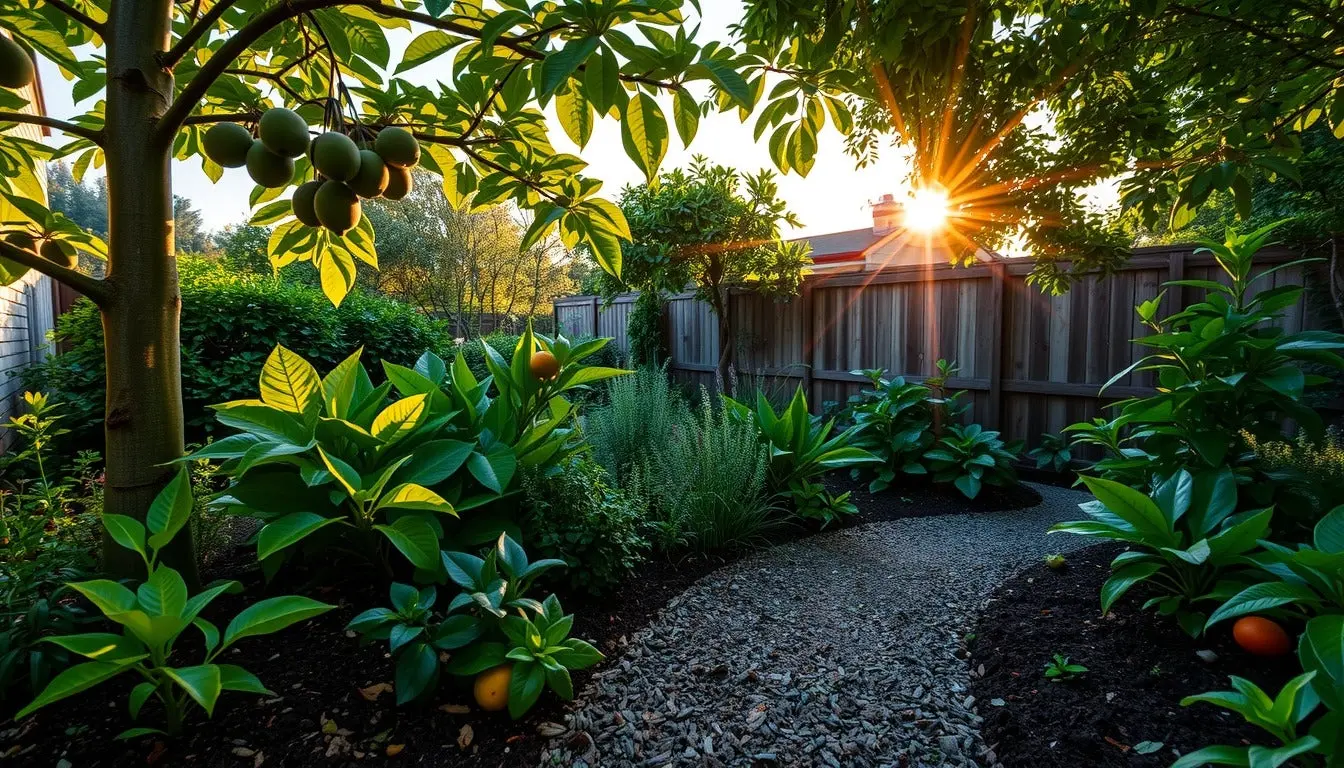
Imagine stepping outside your back door every morning and harvesting fresh feijoas, herbs, leafy greens, and berries — all from a garden that largely takes care of itself. 🌿 That's the magic of a food forest garden in NZ, and the best part is that absolutely anyone can create one, whether you have a sprawling Waikato lifestyle block or a compact Auckland backyard. This guide will walk you through everything you need to know to get started, layer by glorious layer! 🌈
🌻 What Is a Food Forest Garden?
A food forest is an edible garden designed to mimic the natural structure of a woodland ecosystem — but instead of native bush, every plant serves a purpose you can eat, use, or enjoy. 🥰 It's one of the core concepts in permaculture garden NZ design, and it's been gaining huge momentum here in Aotearoa because it works beautifully with our varied climate, from the subtropical warmth of Northland all the way down to the cooler soils of Southland.
Unlike a traditional veggie patch that needs constant replanting and attention, a food forest is a living, self-sustaining system. Once it matures — usually after 3–5 years — it rewards you with far more food for far less effort. How amazing is that? ✨
🌱 Food Forest Layers Explained
Understanding the layered structure is the key to designing a successful food forest garden in NZ. Most designs recognise seven layers, and getting them right is what makes everything click together so beautifully!
Canopy Layer (6m+): Your tallest fruit and nut trees — think walnuts, macadamias, or large avocados in warmer regions. These create the sheltering ceiling of your forest. ☀️ Sub-Canopy Layer (2–6m): This is where the best fruit trees for NZ food forests truly shine — feijoas, citrus, apples, pears, plums, and persimmons all thrive here and are perfectly suited to most NZ climates. Shrub Layer (1–2m): Blueberries, currants, elderberries, and rosemary bushes fill this zone with colour, flavour, and pollinator-friendly flowers. 🌼 Herbaceous Layer (0–1m): Perennial herbs like comfrey, lemon balm, chives, and fennel live here — a core part of your companion planting food forest strategy. Ground Cover Layer: Low-growing, spreading plants that suppress weeds and protect soil moisture. Food forest ground cover plants like strawberries, nasturtiums, thyme, and creeping oregano are brilliant choices for NZ conditions. 🍓 Root/Rhizosphere Layer: Underground edibles like Jerusalem artichokes, yacon, garlic, and spring onions. Climbing/Vine Layer: Passionfruit, kiwifruit, and beans scramble up supports, fences, or larger trees to fill vertical space.
You don't need to fill every single layer at once — start with what excites you most and build outward from there. 💚
🪴 Food Forest for Small Gardens — Yes, It's Possible!
One of the most common questions we hear is: "I only have a small section — can I still do this?" Absolutely yes! A food forest for small gardens simply means selecting dwarf or semi-dwarf varieties for your canopy and sub-canopy layers, and being more intentional about spacing. A feijoa hedge can act as your canopy. A dwarf lemon in a raised bed can be your sub-canopy. Strawberries and thyme cascade across the ground below. 🌷
Even a 4m × 4m space can hold a surprisingly productive mini food forest. The layering principle means you're stacking vertically, not just spreading horizontally — and that's what makes it so powerful for urban sections around Wellington, Christchurch, or Auckland. ✨
🌿 What to Plant in a Food Forest NZ — Top Picks by Layer
Wondering exactly what to plant in a food forest NZ-wide? Here's a starter list of performers that work right across the country, though always consider your specific microclimate!
Canopy: Walnut, avocado (Northland–Bay of Plenty), macadamia Sub-Canopy: Feijoa, lemon, lime, apple, pear, plum, persimmon, nashi Shrubs: Blueberry, currant, elderberry, lemonade berry Herbs/Perennials: Comfrey, borage, lemon balm, yarrow, chives, oregano Ground Cover: Strawberry, nasturtium, creeping thyme, sweet potato (in warm regions) Roots: Garlic, yacon, Jerusalem artichoke, parsnip Climbers: Passionfruit, kiwifruit (male and female!), climbing beans, grape
A special mention goes to nitrogen fixing plants NZ gardeners love — like tagasaste (tree lucerne), lupin, and comfrey. These workhorses pull nitrogen from the air and deposit it into your soil, essentially fertilising your entire system for free. 🌱 Planting them throughout your food forest is one of the smartest things you can do early on.
☀️ How to Start a Food Forest NZ — Step by Step
Ready to dig in? Here's a simple, joyful roadmap for how to start a food forest NZ-wide, no matter your experience level!
Observe your space: Spend a few weeks noticing sun patterns, wind direction, drainage, and existing soil quality. This knowledge is gold. 🥰 Sketch a simple design: Draw your layers on paper. Place tall trees on the south side (in NZ, remember — north-facing is your sunniest aspect!) so they don't shade smaller plants. This is the heart of good edible garden design NZ practice. Prepare your soil: Sheet mulch if your ground is weedy — lay cardboard directly over grass or weeds, top with compost, then a thick layer of wood chip. No digging required! 🌿 Plant your canopy first: Trees take the longest to establish, so get them in early — ideally late autumn to early spring when rainfall is more reliable across most of NZ. Add your shrubs and herbs next: Fill in the mid and lower layers, keeping in mind final spacings. Mulch everything heavily: A 10–15 cm layer of wood chip around all plants suppresses weeds, retains moisture, and feeds your soil ecology. Plant ground covers last: Let them spread and knit the whole system together. 🌼 Observe, adjust, and celebrate every win: A food forest is a living, evolving thing — there's no perfection, only progress. ✨ 🌈 When to Plant Food Forest NZ — Seasonal Timing Tips
Timing matters! When to plant food forest NZ-wide does vary by region and layer, but here's a handy general guide:
Autumn (March–May): The single best time to plant trees and shrubs — soil is still warm, rain arrives, and roots establish before summer. This is prime time across most of NZ. 🍂 Spring (September–November): Perfect for herbs, ground covers, climbers, and annual understorey plants. Soil is warming up and everything wants to grow! Winter (June–August): Bare-root trees go in now — feijoas, apples, pears, and stonefruit are typically available bare-rooted and it's a fantastic (and affordable!) way to plant your sub-canopy layer. 💚 Summer (December–February): Focus on maintenance, mulching, and planting heat-loving climbers like passionfruit and beans. Avoid transplanting large plants unless you can water well. ☀️ 🐝 Food Forest vs Vegetable Garden — Which Is Right for You?
The food forest vs vegetable garden question comes up all the time, and honestly? You don't have to choose! A food forest provides abundance from perennial plants that return year after year with minimal intervention, while a classic veggie garden gives you fast-turnover crops like tomatoes, courgettes, and lettuce. 🥬
Many NZ gardeners run both side by side — a flourishing food forest on one half of the section, and a sunny veggie bed or two for seasonal crops on the other. The food forest actually improves conditions for nearby veggie beds by creating shelter, improving soil biology, and attracting beneficial insects. It's a productive backyard garden idea NZ families genuinely love. 🥰
💚 Shop the Range at Botanical Love
Ready to get planting? At Botanical Love, we stock a wonderful range of seeds, plants, and gardening supplies perfect for building your backyard food forest in New Zealand. Browse our herb seeds, edible ground cover seeds, and vegetable & fruit seeds to stock up on food forest favourites — from comfrey and nasturtium to climbing beans and more. If you're looking to buy food forest plants NZ-wide, our curated collections make it easy to find exactly what your layers need. Check out the full range at botanicallove.co.nz and let's grow something magical together! 🌱✨
🌿 Frequently Asked Questions How long does it take for a food forest to produce food?
Some layers — like herbs, ground covers, and annual climbers — produce within the first season. Shrubs like blueberries and currants typically fruit in year 2–3, while fruit trees may take 3–5 years to hit their stride. The payoff is absolutely worth the wait! 🥰
Do I need a big section to start a food forest in NZ?
Not at all! A food forest for small gardens can work beautifully in as little as 10–20 square metres by using dwarf varieties and maximising vertical layering. Focus on 2–3 layers to start and expand from there. 🌿
What are the best nitrogen fixing plants for a NZ food forest?
Comfrey, tagasaste (tree lucerne), lupin, and borage are brilliant choices widely available in NZ. They fix or accumulate nitrogen and are easy to 'chop and drop' as a living mulch to feed your soil. 💚
Is a food forest the same as permaculture gardening?
A food forest is one of the most popular practical applications of permaculture design principles. Permaculture garden NZ design as a whole covers broader topics like water harvesting, waste cycling, and community — but starting a food forest is an ideal entry point into the whole philosophy. ✨
Can I start a food forest in winter in New Zealand?
Yes — winter is actually a fantastic time to plant bare-root trees, which are often cheaper and establish really well when planted during dormancy. You can also use the cooler months to prepare soil, lay sheet mulch, and finalise your design so you're ready to hit the ground running in spring. 🌱
What ground cover plants work best under fruit trees in NZ?
Strawberries, nasturtiums, creeping thyme, sweet violet, and comfrey are all excellent food forest ground cover plants for NZ conditions. They suppress weeds, retain moisture, attract pollinators, and many are edible or medicinal — a total win! 🌼
— Botanical Love
Keep reading
More from the Blog
Zucchini Chutney & Relish: Make Your Own NZ Garden 🌱✨
🌱 From Garden Glut to Gorgeous Jars — Zucchini Chutney Relish NZ Style If you've ever grown zucchinis in a New Zealand summer, you know the joy — and the mild panic — of watching your plants produce way more than you bargained for! 🥰 That's exactly why learning to make your own zucchini chutney relish NZ style is such a game-changer. Instead of giving away bags of courgettes to every neighbour on the street, you can transform that beautiful bumper harvest into jars of golden, flavour-packed chutney and relish that you'll treasure all year long. ✨ Imagine opening your pantry in the middle of winter and pulling out a jar of summer sunshine you made with your own hands — how amazing is that?!
🌿 Grow & Process Your Own Sugar Cane into Sugar in NZ!
If you've ever dreamed of producing your very own sweetener straight from the garden, learning to grow sugar cane NZ-style is one of the most exciting and rewarding projects you can take on! 🌱 Sugar cane (Saccharum officinarum) is a magnificent, towering tropical grass that thrives surprisingly well in the warmer corners of Aotearoa — and the best part is, it's far more achievable than most Kiwi gardeners realise. Imagine walking out to your backyard, harvesting a bundle of golden canes, and squeezing fresh juice to make your very own raw sugar or golden syrup. How amazing is that?! This guide walks you through absolutely everything — from choosing the right variety and finding the perfect spot, all the way through to processing your harvest into real, homemade sweetness. ✨