Gardening Tips
Damping Off Seedlings NZ: Prevent & Treat This Spring Killer
14 September 2026 · 8 min read
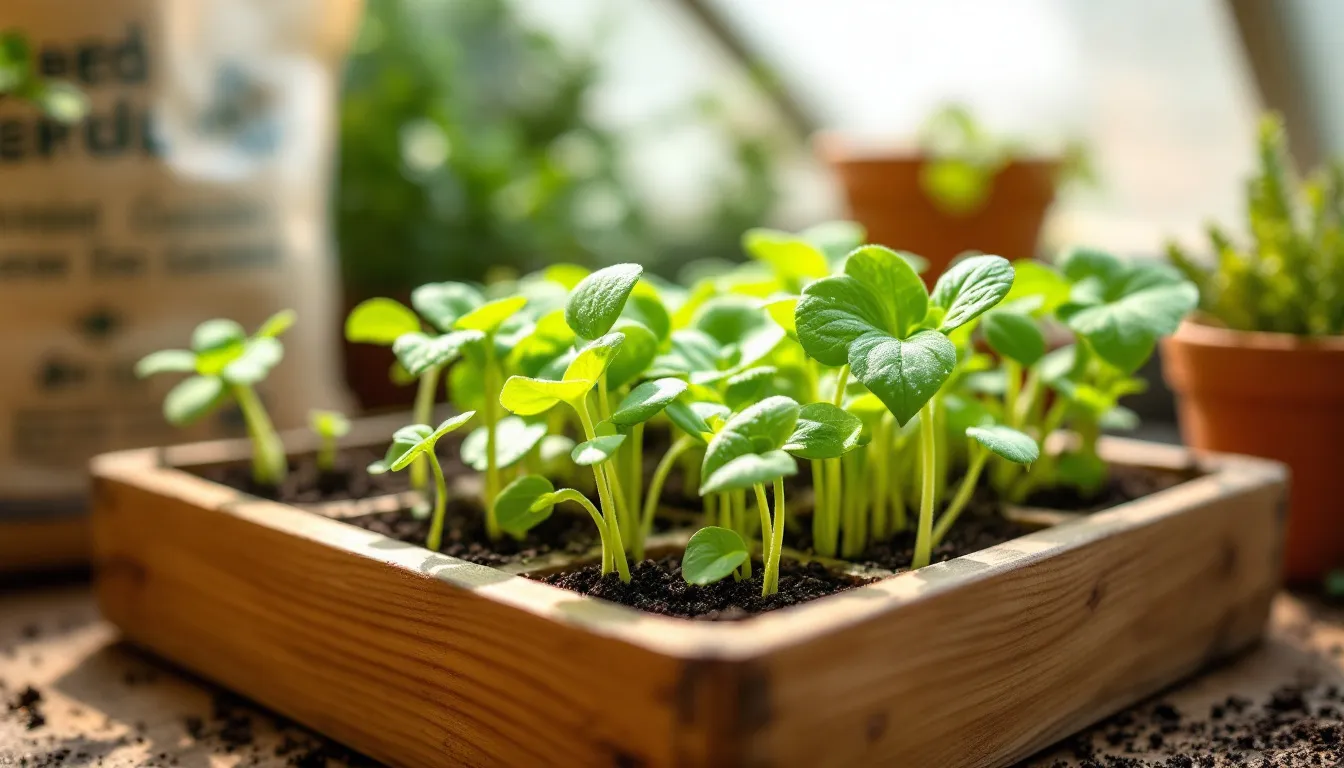
🌱 What Is Damping Off — And Why Should NZ Gardeners Care?
Damping off seedlings is the number-one seedling killer New Zealand gardeners face every spring, and if you've ever walked out to your seed trays to find a row of previously healthy seedlings suddenly collapsed at the base — you already know the heartbreak. One day they're thriving; the next they're lying flat, stems pinched to nothing at soil level, beyond saving. It happens fast, it spreads faster, and understanding what's behind it is the first step to stopping it in its tracks.
In this guide we'll cover exactly what causes damping off, why our New Zealand spring conditions make it so common, and — most importantly — the practical steps you can take to prevent and manage it so your seedlings make it from tray to garden bed with confidence.
🔬 What Causes Damping Off?
Damping off is not caused by a single villain. It's a collective term for a group of soil-borne fungal and water mould pathogens that attack seedlings at or just below the soil surface. The most common culprits are:
Pythium species — water moulds that thrive in overly wet, poorly drained conditions
Rhizoctonia solani — a fungus that attacks in warm, moist soils
Fusarium species — particularly problematic in warmer northern regions like Northland and Auckland
Phytophthora species — another water mould, often worse in heavy or clay-based mixes
These pathogens can already be present in garden soil, reused potting mix, unsterilised trays, or even in contaminated water. They strike seedlings in two ways: pre-emergence damping off (seeds rot before they ever sprout) and post-emergence damping off (seedlings collapse after germinating, which is the more heartbreaking and more visible form).
🌦️ Why NZ Spring Conditions Are the Perfect Storm
New Zealand's spring — running from September through November — creates ideal conditions for damping off to take hold. Here's why:
Fluctuating temperatures: Cool nights and warming days create condensation inside propagation environments, keeping humidity high around tender seedlings.
Heavy spring rainfall: Particularly in the West Coast, Taranaki, and Northland, extended wet spells saturate seed-raising mix and slow drainage.
Eager over-watering: New gardeners (and experienced ones who should know better!) tend to water seedlings too frequently in spring, keeping the mix perpetually damp.
Warm, still air in covered trays: Cloches, plastic covers, and mini-greenhouses trap humid air with little circulation — perfect for fungal growth.
Sowing too densely: Spring enthusiasm leads to overcrowded trays where air can't move between seedlings.
From Kerikeri to Invercargill, no region is immune. Southland and Otago gardeners often struggle with cool, damp conditions that slow seedling growth and extend the window of vulnerability, while Auckland and Northland gardeners battle warm, humid springs that accelerate fungal spread.
🛡️ How to Prevent Damping Off Seedlings in NZ
Prevention is everything with damping off — once it takes hold in a tray, it's very difficult to reverse. Here's how to stack the odds in your seedlings' favour from day one.
1. Always Use Fresh, Quality Seed-Raising Mix
Never use garden soil or old, reused potting mix for seed starting. A purpose-made seed-raising mix is fine-textured, free-draining, and — crucially — low in the organic matter that pathogens feed on. Buy a fresh bag each season rather than reusing last year's leftovers, which may harbour pathogens regardless of how they were stored.
2. Sterilise Your Trays and Pots
Old seedling trays, punnets, and pots can carry dormant fungal spores from previous seasons. Before the spring sowing rush, wash your gear thoroughly and give it a rinse in a diluted household bleach solution (roughly 1 part bleach to 9 parts water), then allow to dry completely in the sun. This one step eliminates a major source of infection.
3. Sow at the Right Density
Give your seeds room. Overcrowded seedlings create a microclimate of trapped moisture and reduced airflow — exactly what damping off pathogens love. Sow thinly, label your rows, and resist the temptation to squeeze just a few more seeds in.
4. Water Wisely — From Below
The single most effective habit change you can make is to water from the bottom up. Place your seed trays in a shallow tray of water and allow the mix to absorb moisture upward for 20–30 minutes, then remove and allow to drain. This keeps the surface of the mix drier — the exact zone where damping off strikes — while ensuring the roots have access to moisture. When you do water from above, do it in the morning so the surface dries before cooler evening temperatures arrive.
5. Maximise Airflow
Remove plastic propagation lids or cloches as soon as germination is well underway. If you're using a mini-greenhouse, prop the door or vents open during the day. A small fan set to low and aimed gently near (not directly at) your seedling trays can dramatically reduce humidity and fungal pressure.
6. Don't Over-Feed Young Seedlings
Excess nitrogen encourages lush, soft growth that is far more susceptible to fungal attack. Hold off on fertilising until seedlings have their first true leaves and have been potted up or thinned.
7. Consider a Cinnamon Dust or Chamomile Tea Drench
These are old-fashioned but well-regarded organic preventatives. A light dusting of ground cinnamon on the surface of your seed-raising mix after sowing has mild antifungal properties. A cooled chamomile tea used as a light surface drench at sowing time is another popular option among NZ organic gardeners. Neither is a silver bullet, but as part of a good prevention routine they can help.
🚨 Treating Damping Off: What to Do If It Strikes
If you spot the tell-tale pinched, water-soaked stem collapse in your trays, act immediately:
Remove affected seedlings at once. Don't pull them — use scissors to snip the collapsed seedlings at soil level and remove the debris. This limits spore spread.
Isolate the affected tray. Move it away from healthy seedlings immediately to prevent cross-contamination via splashing water or shared tools.
Stop watering and improve airflow. Let the surface of the mix dry out as much as possible without stressing remaining healthy seedlings.
Apply a copper-based fungicide. Copper oxychloride or copper hydroxide products — widely available at NZ garden centres — can be applied as a drench to slow the spread of fungal pathogens. Always follow label directions carefully.
Accept losses and resow quickly. If an entire tray is affected, the kindest (and most practical) thing is to discard the mix, sterilise the tray, and start fresh. Spring is long enough in most NZ regions that a second sowing can still succeed.
🌿 The Best Seedlings to Start Indoors vs. Direct Sow
One often-overlooked prevention strategy is knowing which seeds are better off direct-sown into garden beds rather than started in trays. Crops like carrots, beetroot, peas, and beans prefer direct sowing and tend to suffer more damping off when started in confined, humid conditions indoors. Tomatoes, capsicums, aubergines, basil, and brassicas are better suited to indoor starts but reward the extra attention to airflow and watering discipline described above.
🛒 Browse Seeds, Seed-Raising Mix & Propagation Supplies at Botanical Love
Ready to give your spring seedlings the best possible start? At Botanical Love (botanicallove.co.nz) we stock a carefully chosen range of quality vegetable and herb seeds, premium seed-raising mixes, seed trays, and propagation accessories — everything you need to sow with confidence this spring. Browse our Seeds, Seed-Raising & Propagation, and Gardening Supplies categories to find what you need, with delivery right across Aotearoa New Zealand.
❓ Frequently Asked Questions
What does damping off look like on seedlings?
The classic sign is a sudden collapse of otherwise healthy-looking seedlings. The stem becomes pinched, discoloured, or water-soaked right at or just below the soil surface, and the seedling falls over and dies. You may also notice a white, fluffy mould on the surface of the mix in severe cases.
Can damping off spread from one tray to another?
Yes. The pathogens that cause damping off can spread via water splash, shared tools, and even airborne spores. Isolate any affected tray immediately and clean any tools used in contact with it before using them on healthy seedlings.
Is damping off the same as root rot?
They share some of the same causative organisms (particularly Pythium and Phytophthora), but damping off specifically refers to the collapse of seedlings at soil level during the early seedling stage. Root rot is a broader term that can affect more established plants at the root system.
Can I use tap water to water my seedlings or is rainwater better?
Both are fine in most NZ regions. The key is not the water source but how and when you water — bottom watering, watering in the morning, and avoiding oversaturation are far more important than whether you use tap or rainwater.
When is damping off risk highest in New Zealand?
The highest-risk period is mid-to-late spring (September to November) when indoor propagation environments are warm and humid, and gardeners are sowing heavily. The risk remains elevated into early summer in cooler southern regions like Southland and Otago where temperatures stay lower for longer.
— Botanical Love
Keep reading
More from the Blog
Gardening Tips
Succession Sowing NZ Spring: Stagger Sowings for Non-Stop Harvests
Master succession sowing in NZ spring to enjoy continuous harvests all season. Expert tips on timing, spacing sowings & which veggies work best in Aotearoa.
Gardening Tips
Spring Lawn Care NZ: How to Revive Your Lawn After Winter
Bring your lawn back to life this spring! Expert NZ lawn care tips for September–November: aerating, feeding, overseeding & more. Read the guide at Botanical Love.